'Arbitrary, unreasonable’: Actor Imran Khan moves HC to challenge 'leave India' notice
Source Entity
SWATI DESHPANDE
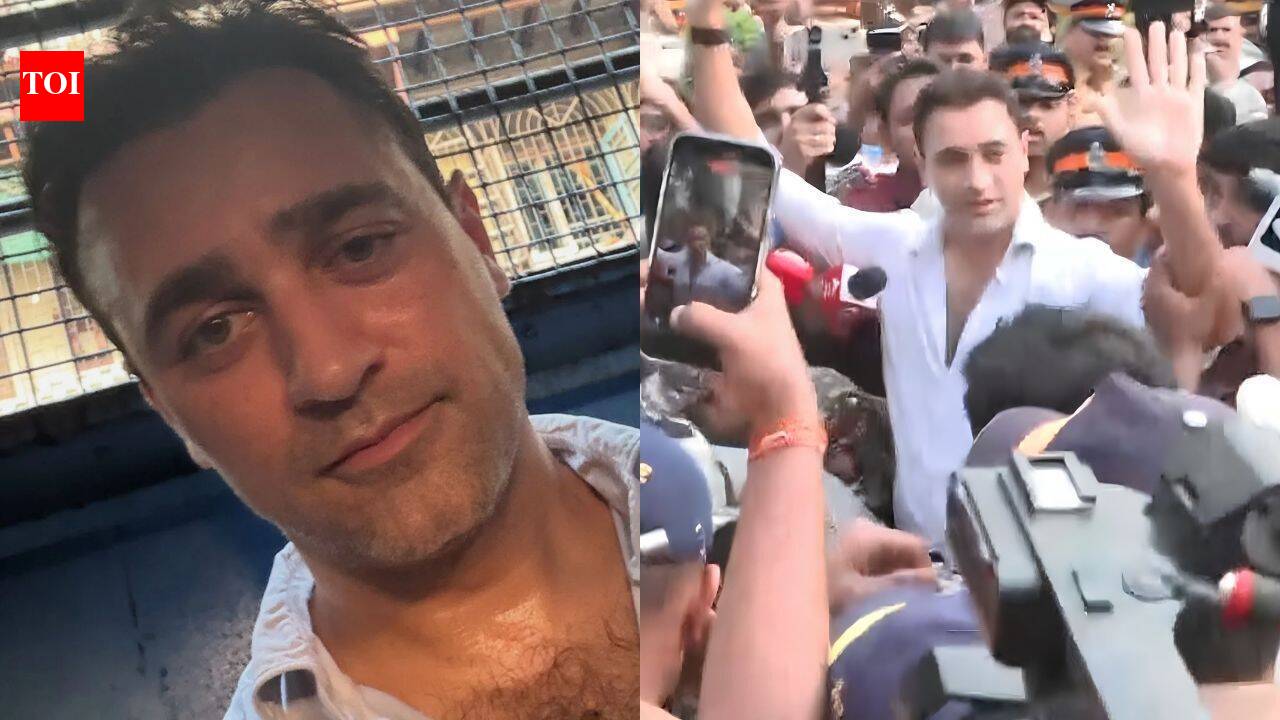
Actor Imran Khan has challenged a 'leave India' notice issued by the FRRO in the Bombay High Court. The notice, citing his participation in political protests, orders the OCI cardholder to depart by October 28.
Legal Challenge Against 'Leave India' Notice
Actor Imran Khan has formally moved the Bombay High Court to challenge a 'leave India' notice issued by the Foreigners Regional Registration Office (FRRO). The notice, which mandates that the 43-year-old actor depart the country by October 28, stems from his participation in a political demonstration at August Kranti Maidan. The protest, organized by the Cockroach Janata Party (CJP), was directed against Chief Election Commissioner Gyanesh Kumar, calling for his resignation.
The Legal Conflict: Rights vs. Regulation
At the heart of this dispute is the status of Imran Khan as an Overseas Citizen of India (OCI) and a United States passport holder. While the FRRO has moved to act against him under laws governing foreigners, Khan argues that the notice is 'arbitrary, unreasonable, and perverse.' Having lived in India since he was two years old, the actor maintains that the state's directive violates his fundamental rights guaranteed under the Indian Constitution. The core of his legal plea rests on the assertion that the notice was issued without a proper inquiry or a fair opportunity to respond to the alleged violations.
Procedural Concerns and Due Process
Khan’s petition highlights a significant procedural grievance: the lack of transparency in the FRRO’s decision-making process. The actor claims the notice failed to disclose specific reasons for the expulsion order, thereby denying him the right to natural justice. By characterizing the order as 'drastic' and 'illegal,' the legal challenge underscores the tension between administrative authority and individual rights for those holding OCI status. The case raises critical questions regarding the scope of political participation allowed for OCI holders in India.
Broader Implications for OCI Holders
This incident brings to the forefront the evolving interpretation of OCI privileges. While OCI cards grant lifelong visa-free travel and residency rights, they do not confer the full rights of citizenship, particularly regarding political activities. The state’s move to issue a 'show cause' notice based on protest participation signals a stricter enforcement of rules governing foreign nationals. This case is likely to set a judicial precedent concerning how the state balances national security and immigration regulations with the rights of long-term residents who hold dual-citizenship ties.
Future Trends and Judicial Oversight
The intervention of the Bombay High Court serves as the primary mechanism for resolving this impasse. Future trends in similar cases will likely depend on how the judiciary defines the limits of state power in restricting the residence of OCI holders. If the court finds the notice lacked due process, it could force a revision of how administrative bodies like the FRRO handle the revocation of stay permits, ensuring that future enforcement actions are grounded in documented evidence rather than summary directives. The outcome of this case will be closely watched by the expatriate community and legal experts alike, as it touches upon the delicate intersection of immigration law and the freedom of assembly.
Multiple Citing Sources