India tighten grip on SL Test after Pasindu self destructs
Source Entity
Latest News: Todays Latest News Headlines from India & World | Hindustan Times | Hindustan Times
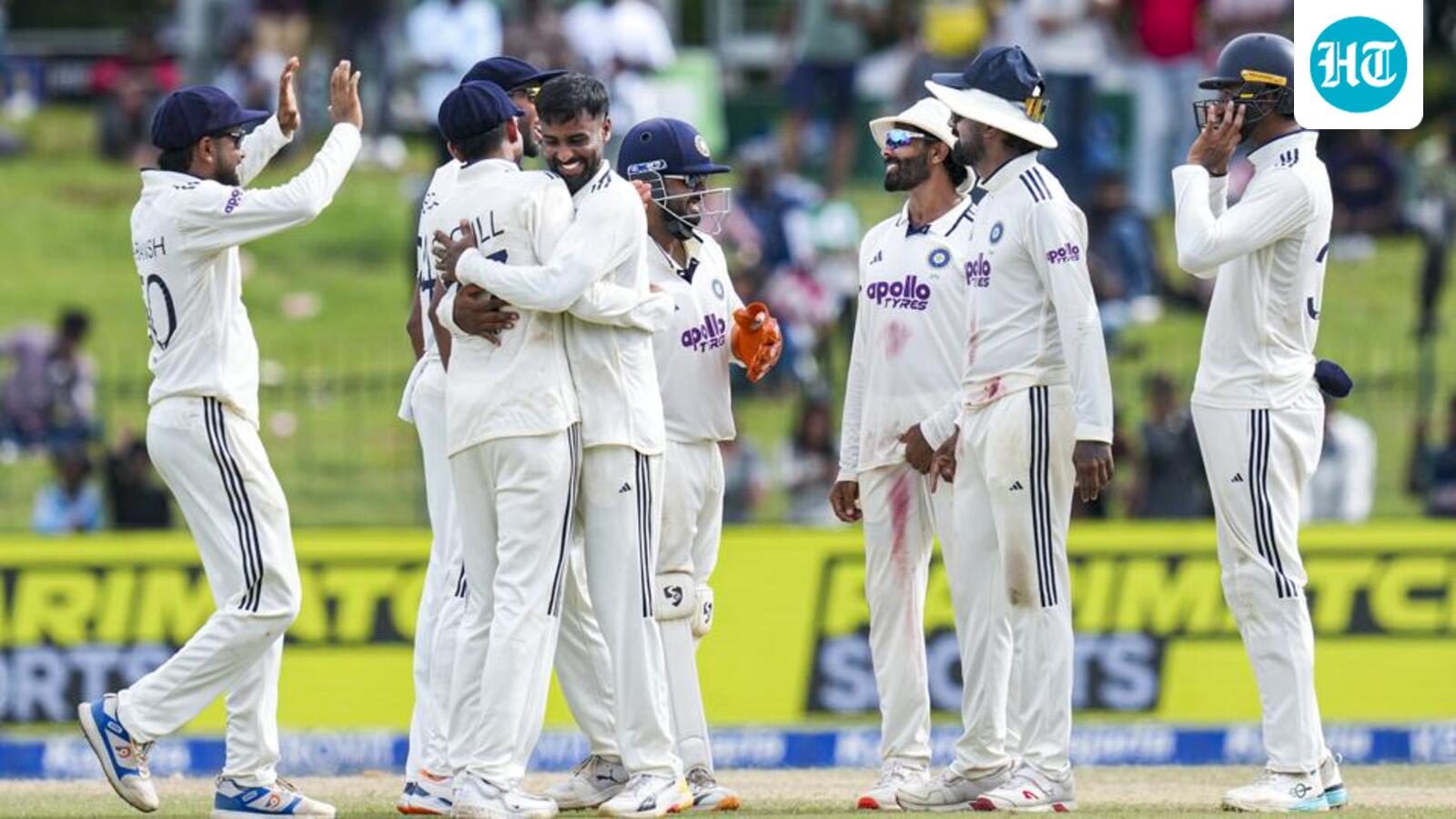
India has enforced the follow-on against Sri Lanka in the second Test in Colombo after bowling the hosts out for 290. Despite resilient half-centuries from Pasindu Sooriyabandara and Sonal Dinusha, India maintains a commanding 213-run lead heading into the final stages.
India Dominates Colombo Test as Follow-On Enforced
The second Test match between India and Sri Lanka at the Sinhalese Sports Club in Colombo has reached a pivotal juncture. After a resilient effort by the Sri Lankan lower order, India successfully bowled out the hosts for 290 runs in their first innings. With a massive 213-run deficit, Indian captain Shubman Gill made the strategic decision to enforce the follow-on, compelling Sri Lanka to bat again immediately to save the match.
The Battle of Resilience
Sri Lanka’s path to 290 was far from straightforward. At 8/2 early in the match, the hosts appeared to be spiraling toward a crushing defeat. However, the middle order displayed significant grit. Pasindu Sooriyabandara and Sonal Dinusha were instrumental in the recovery, both scoring half-centuries. Dinusha’s performance is particularly noteworthy, marking his third consecutive fifty against the Indian bowling attack, highlighting his growing comfort against high-quality spin and pace.
India’s Bowling Dominance
India’s bowling unit, led by the standout performance of Prasidh Krishna, proved too potent for the Sri Lankan lineup. Krishna’s ability to extract movement and pressure the batsmen made him the standout bowler of the match. Complementing his efforts, Manav Suthar was highly effective, consistently picking up wickets and breaking crucial partnerships. While debutant Saransh Jain and veteran Ravindra Jadeja were kept relatively quiet in terms of wicket tallies, their role in maintaining pressure was vital to the team effort.
The Strategic Gamble: Enforcing the Follow-On
Enforcing the follow-on is a rare and bold move in modern Test cricket. Typically, captains are wary of the physical toll on their bowlers, especially after India’s attack toiled for 89.4 overs during the first innings. By forcing Sri Lanka to bat again, Shubman Gill has signaled his intent to secure a result despite the looming threat of rain in Colombo. This decision forces the Sri Lankan batsmen to face the mental fatigue of trailing by over 200 runs while knowing they must survive several more sessions to force a draw.
Implications and Tactical Outlook
Looking ahead, the match dynamics now heavily favor India. With Sri Lanka entering their second innings trailing by 213 runs, the primary objective for the hosts is to mitigate the damage and avoid an innings defeat. For India, the goal is clear: wrap up the final wickets efficiently while navigating the unpredictable weather conditions of the Sri Lankan capital. The efficiency of the Indian bowling attack in the upcoming sessions will be the deciding factor in whether the tourists can secure a comprehensive victory in this two-match series.
Multiple Citing Sources
Verification Required?