End to Parliament impasse in sight, Lok Sabha may take up bill on exam reforms today
Source Entity
TNN
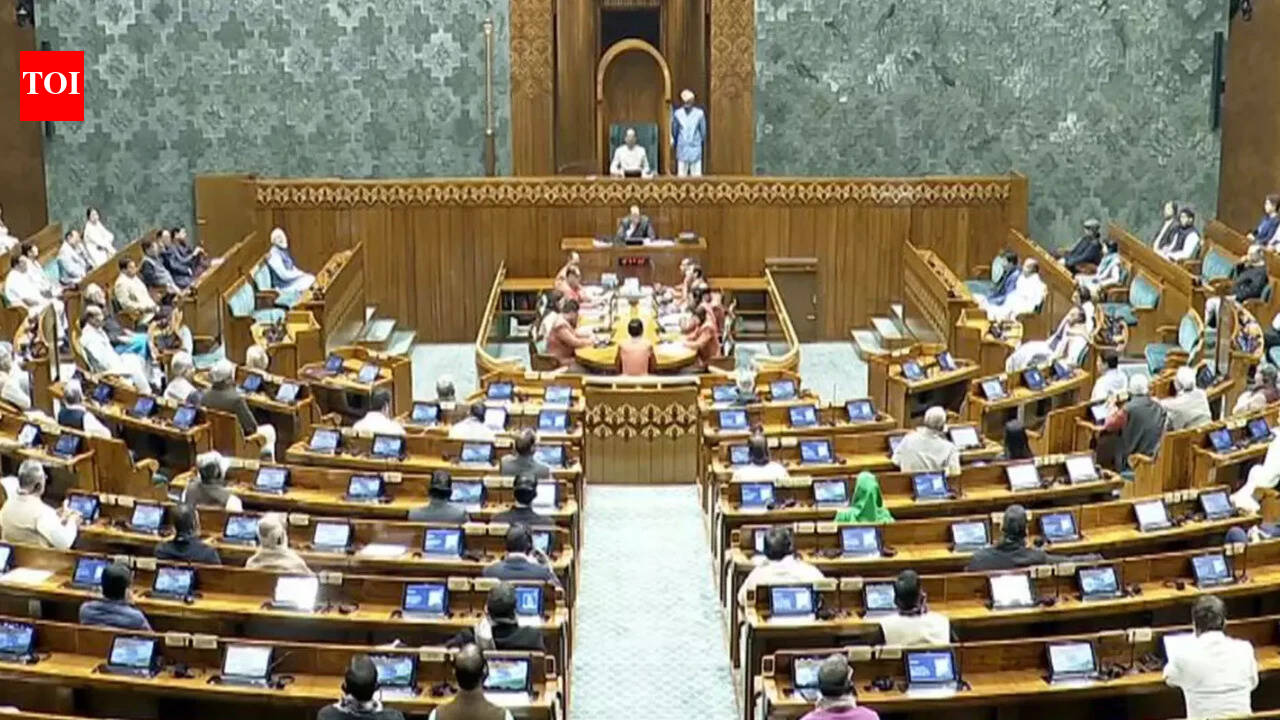
The Indian government has introduced the 2026 anti-paper leak amendment bill, proposing 10-year prison terms and ₹50 lakh fines. This legislative move follows intense student protests and the resignation of the Education Minister amidst political gridlock in Parliament.
Legislative Overhaul: The 2026 Anti-Paper Leak Bill
In a significant move to address systemic failures in public examinations, the government has introduced the Public Examinations (Prevention of Unfair Means) Amendment Bill, 2026. This legislation aims to replace the two-year-old existing framework with more stringent penalties, including a 10-year prison term and a ₹50 lakh fine for those involved in paper leaks. The bill also introduces a two-month cap on investigation timelines and provides statutory backing for fast-track courts to ensure timely adjudication.
The Catalyst: Student Protests and Political Fallout
The introduction of this bill follows a period of intense civil unrest, specifically nationwide student protests spearheaded by the Cockroach Janta Party (CJP). The scale of these demonstrations, particularly the July 20 march to Parliament, placed immense pressure on the administration. The political consequences were immediate and severe, culminating in the resignation of Union Education Minister Dharmendra Pradhan. This resignation marks a critical turning point in the government's handling of the crisis, signaling a shift toward proactive legislative reform.
Parliamentary Standoff and Legislative Gridlock
While the government positions the bill as a "reaffirmation of commitment to the welfare of students and youth," the legislative process has been marred by severe discord. The Rajya Sabha has faced repeated adjournments, failing to conduct business for six consecutive days during the monsoon session. The Opposition, led by members like Pramod Tiwari and John Brittas, has pivoted from the core bill discussions to demand an apology from Home Minister Amit Shah regarding alleged police excesses during the crackdown on student protesters.
Analyzing the Stringency of the New Framework
The proposed amendments represent a clear departure from previous regulatory leniency. By mandating a two-month investigation limit, the government is attempting to curb the long-standing issue of delayed justice that often plagues examination malpractice cases. The statutory backing for fast-track courts is designed to bypass the traditional judicial backlog, potentially acting as a stronger deterrent against organized syndicates involved in leaks.
Broader Implications and Future Outlook
The tension between the government and the Opposition over the Prevention of Insults to National Honour (Amendment) Bill, 2026, further complicates the legislative calendar. As the government struggles to balance the passage of the anti-paper leak bill with the demands for accountability regarding police actions, the future of the 2026 reforms remains tied to the broader political climate. If successfully implemented, the bill could fundamentally reshape the integrity of India’s competitive examination landscape, though its efficacy will ultimately depend on the political will to enforce these stricter penalties consistently.
Multiple Citing Sources