Senate set to vote on Trump's pick for spy chief, ending Bill Pulte's brief tenure
Source Entity
US Top News and Analysis
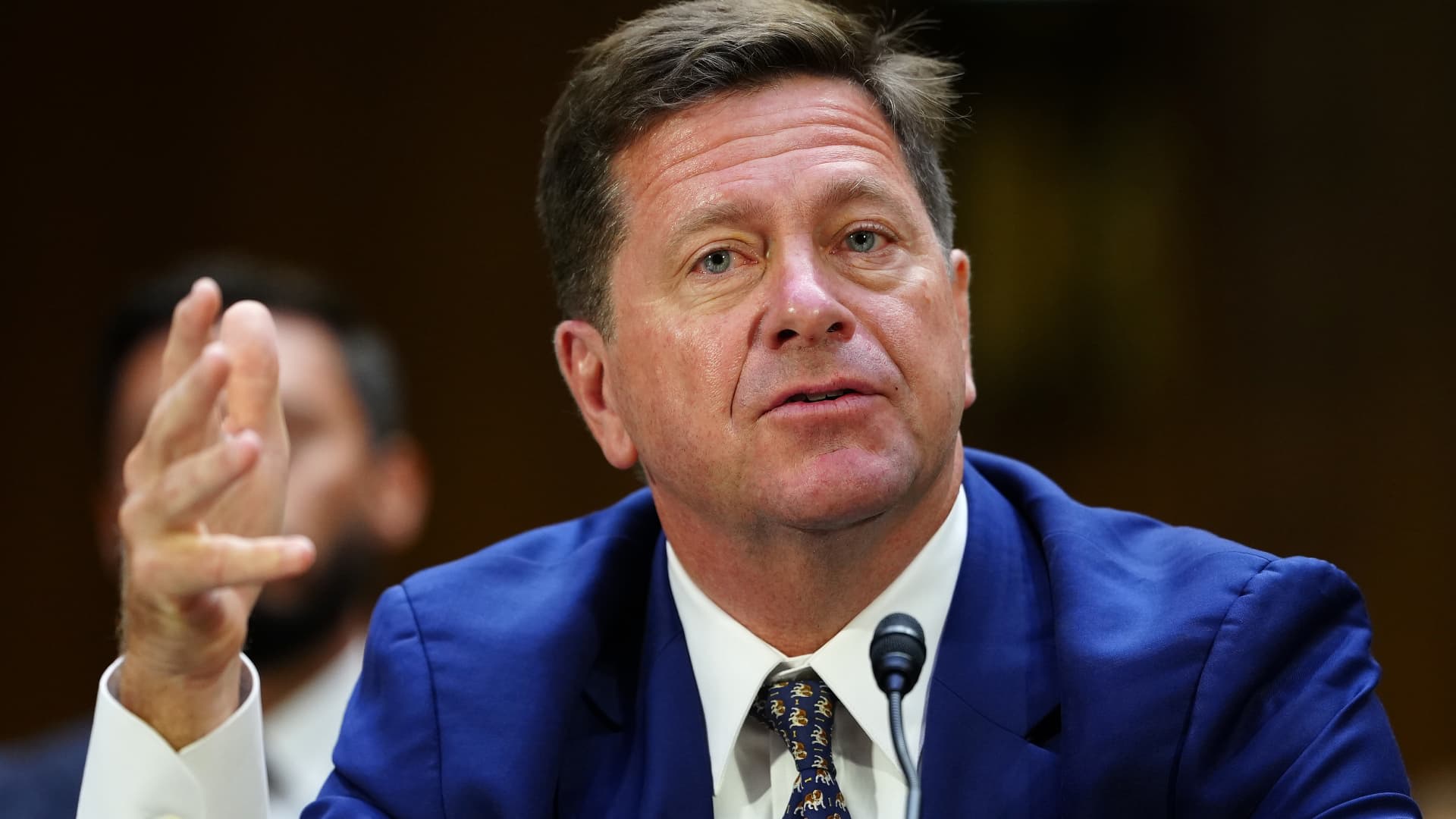
The U.S. Senate is poised to confirm Jay Clayton as the new Director of National Intelligence. This move concludes the brief tenure of Bill Pulte and places a former SEC chair in charge of the nation's intelligence community.
The Senate Prepares to Confirm Jay Clayton as DNI
The United States Senate is scheduled to hold a pivotal vote this Tuesday to confirm Jay Clayton as the next Director of National Intelligence (DNI). This confirmation process marks a significant transition in the nation's security apparatus, effectively ending the brief tenure of Bill Pulte. As the DNI, Clayton will oversee the entirety of the United States Intelligence Community, a complex network of 18 separate agencies tasked with safeguarding national secrets and providing actionable intelligence to the executive branch.
A Transition in Leadership
Senate Majority Leader John Thune, R-S.D., has signaled strong support for the nominee, emphasizing the necessity of steady leadership during a period of a 'heightened threat environment.' By framing Clayton as a 'proven leader,' the Senate leadership is attempting to project stability following the transition away from Pulte's brief period in the role. The successful clearing of a procedural hurdle on Monday suggests that the Senate is moving quickly to solidify this appointment, reflecting a bipartisan urgency to fill the vacuum at the top of the intelligence hierarchy.
The Background of the Nominee
Jay Clayton brings a unique profile to the intelligence community, having previously served as the chair of the Securities and Exchange Commission (SEC) and as the U.S. Attorney for the Southern District of New York. While his background is rooted heavily in law and financial regulation rather than traditional espionage or military intelligence, supporters argue that his experience in managing large-scale federal bureaucracy and high-stakes regulatory investigations makes him well-suited for the oversight responsibilities inherent in the DNI role.
Broader Implications for National Security
The office of the Director of National Intelligence was created in the wake of the 9/11 Commission Report to ensure better coordination and communication between the disparate agencies that make up the U.S. intelligence apparatus. By placing a figure with Clayton's regulatory and legal background at the helm, the current administration is likely signaling a focus on institutional accountability and the integration of financial intelligence into the broader national security strategy. This choice reflects a shifting priority toward monitoring global economic threats alongside traditional geopolitical risks.
Future Trends and Challenges
As Clayton steps into this role, he will face the immediate challenge of managing the sensitive information flow across the 18 U.S. intelligence agencies. The success of his tenure will likely be measured by his ability to maintain morale within the intelligence community while navigating the complex political landscape of Washington. Furthermore, his performance will be scrutinized by both sides of the aisle to see if his background in law and finance translates effectively into the clandestine world of intelligence gathering and threat analysis.
Conclusion
The confirmation of Jay Clayton represents a calculated move by the administration to secure a seasoned administrator to lead the national security community. With the Senate vote imminent, the focus will soon shift to how Clayton translates his prior executive experience into the oversight of the nation's most sensitive intelligence operations. His success will be vital in ensuring that the U.S. remains resilient against evolving global threats.