After stalemate, government, opposition spar over paper leak law in Lok Sabha
Source Entity
KUMAR RAKESH
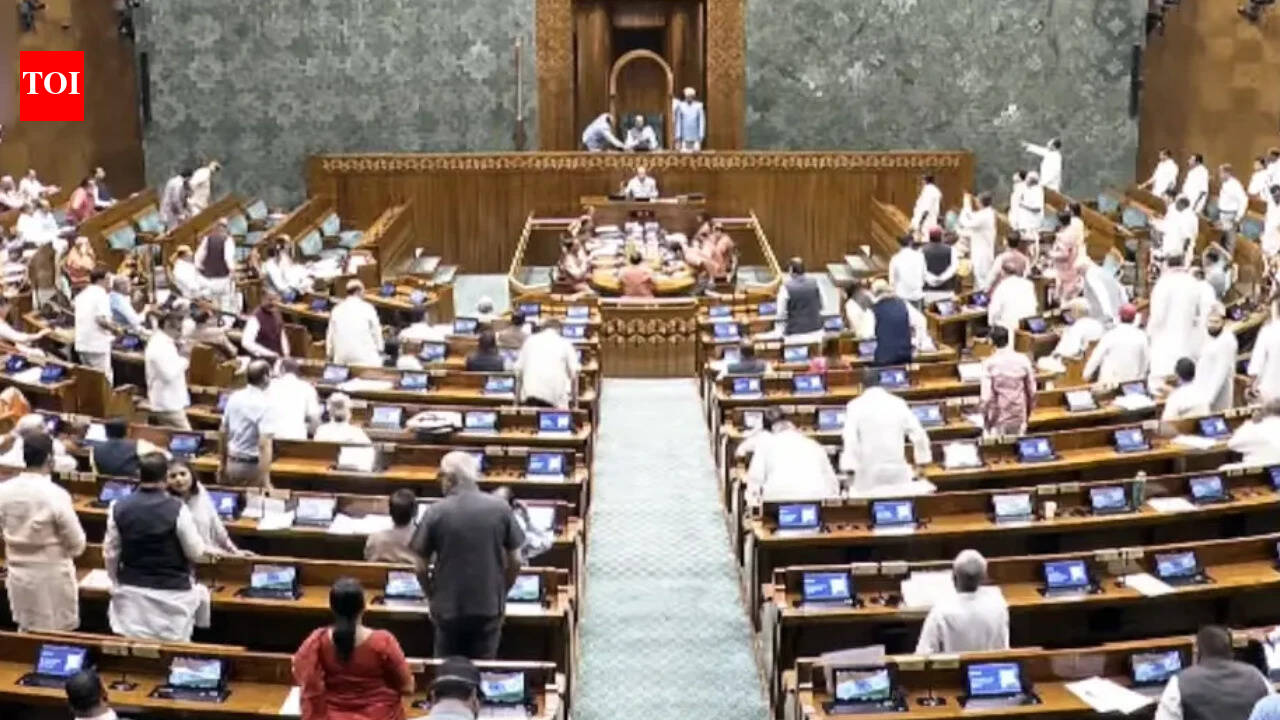
The Indian government has introduced the Public Examinations (Prevention of Unfair Means) Amendment Bill, 2026, to impose harsher penalties for paper leaks. This move follows intense nationwide student protests and the resignation of Education Minister Dharmendra Pradhan.
Strengthening Academic Integrity: The 2026 Anti-Paper Leak Reforms
The introduction of the Public Examinations (Prevention of Unfair Means) Amendment Bill, 2026, marks a significant shift in India’s legislative approach toward safeguarding academic integrity. Following widespread nationwide protests spearheaded by the Cockroach Janta Party (CJP), the government has proposed a stringent legal framework. This bill notably raises the penalties for those involved in examination malpractices, proposing a 10-year prison sentence and a substantial fine of Rs 50 lakh for convicted offenders.
Impact of Student Activism
The policy pivot comes in the wake of intense civil unrest. The CJP’s mobilization against systemic paper leaks effectively pressured the administration, culminating in the resignation of Union Education Minister Dharmendra Pradhan. This political fallout underscores the influence of youth-led movements in shaping national policy and highlights the government's urgent need to restore public confidence in the examination process amidst allegations of administrative failure.
Legislative Tightening and Fast-Track Justice
Beyond merely increasing punishment, the proposed 2026 amendment aims to modernize the judicial response to academic fraud. A core feature of the bill is the imposition of a two-month cap on investigations, which seeks to eliminate the bureaucratic delays that have historically hindered justice for students. Furthermore, the bill provides statutory backing for fast-track courts, ensuring that cases of examination malpractice are adjudicated with the urgency required to protect the sanctity of competitive exams.
Parliamentary Standoff and Broader Context
The legislative process has been marked by significant friction, particularly in the Rajya Sabha. The monsoon session has faced repeated adjournments as the Opposition demands an apology from Home Minister Amit Shah regarding alleged police excesses during the July 20 march to Parliament. This tension has stalled other legislative business, including the Prevention of Insults to National Honour (Amendment) Bill, 2026, reflecting a deeply polarized political climate.
Government Stance and Future Outlook
Minister of State for the Prime Minister’s Office, Jitendra Singh, described the bill as a reaffirmation of the government’s commitment to the welfare of students. By making the existing two-year-old law more stringent, the state aims to deter organized syndicates that profit from leaks. As the Lok Sabha begins the debate on these amendments, the success of this legislation will likely be measured by its ability to balance rapid, effective prosecution with the restoration of trust in the nation's academic institutions.
Conclusion
The 2026 Amendment Bill represents a critical juncture for India's education sector. While the legislative intent is clearly focused on deterrence and efficiency, the path forward remains complicated by ongoing political disputes and the pressure to address past grievances. Ultimately, the effectiveness of these measures will depend on the government's ability to implement the new timelines and penalties consistently across all states.
Multiple Citing Sources