Govt introduces bill to penalise paper leak in Lok Sabha amid Opposition protest
Source Entity
Latest News: Todays Latest News Headlines from India & World | Hindustan Times | Hindustan Times
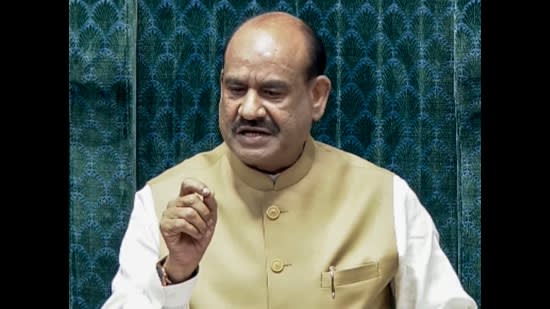
The Indian government has introduced the Public Examinations (Prevention of Unfair Means) Amendment Bill, 2026, proposing a 10-year jail term and Rs 50 lakh fine for paper leaks. The legislation follows massive student protests and the resignation of former Education Minister Dharmendra Pradhan. Opposition leaders have criticized the move as an admission of failure regarding previous policies.
The Legislative Response to Examination Integrity
In a significant move to address systemic failures in national testing, the Indian government introduced the Public Examinations (Prevention of Unfair Means) Amendment Bill, 2026 in the Lok Sabha. This legislative action follows a period of intense national unrest, triggered by widespread student protests demanding accountability for the NEET paper leak. The bill proposes stringent penalties, including a 10-year prison sentence and a Rs 50 lakh fine for those involved in examination malpractices, signaling a shift toward more punitive deterrents.
The Catalyst: Student Activism and Political Fallout
The introduction of this bill is directly tied to the sustained pressure exerted by student movements, most notably the Cockroach Janta Party (CJP). These protests, which culminated in a march to Parliament on July 20, forced the government to confront the crumbling confidence in the examination system. The movement achieved a major victory with the resignation of Union Education Minister Dharmendra Pradhan, an event that underscored the severity of the crisis and the government's need to regain public trust.
Parliamentary Tensions and Opposition Critique
The legislative process has been marked by significant discord. As Minister of State Dr. Jitendra Singh introduced the bill, the Lok Sabha witnessed heated exchanges. Opposition members, led by Congress deputy leader Gaurav Gogoi, have labeled the bill an 'admission of failure.' The core of the Opposition’s argument lies in the timeline of these reforms; they contend that if the previous 2024 legislation was truly 'historic' and effective, there would be no need for such drastic amendments only two years later.
The Evolution of Anti-Leak Legislation
This amendment represents a reactive evolution of the regulatory framework surrounding public examinations. By increasing the potential jail term to a decade and imposing heavy financial penalties, the government is attempting to signal that the status quo of lax oversight is no longer acceptable. However, critics argue that the bill is merely a 'cosmetic exercise' that fails to address the underlying structural corruption that allowed previous leaks to occur in the first place.
Broader Implications and Future Trends
The future of India’s competitive examination landscape remains uncertain. While the government views this bill as a milestone in securing the integrity of exams like the NEET, the broader implications involve a long-term struggle to balance administrative efficiency with the demands for transparency. The ongoing political sparring suggests that the debate will likely shift from the legality of the penalties to the efficacy of the enforcement mechanisms meant to catch perpetrators.
Conclusion
The Public Examinations (Prevention of Unfair Means) Amendment Bill, 2026 stands as a testament to the power of student-led advocacy in shaping national policy. Whether this legislation will successfully curb the scourge of paper leaks or simply remain a symbolic gesture remains a point of contention. Ultimately, the success of these measures will be measured not by the severity of the sentences, but by the government's ability to restore the integrity of the examination process in the eyes of the student population.
Multiple Citing Sources
Verification Required?