‘Please accept mine’: Gopinathan takes a dig at PM Modi over his IAS resignation pending for nod since 2019
Source Entity
Latest News: Todays Latest News Headlines from India & World | Hindustan Times | Hindustan Times
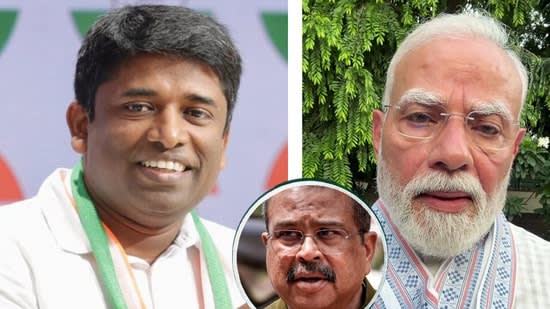
Former IAS officer Kannan Gopinathan has publicly urged PM Modi to accept his 2019 resignation. Gopinathan, who left service over freedom of expression concerns, remains in administrative limbo without salary or formal relief.
The Administrative Limbo of Kannan Gopinathan
A Stalled Departure
Kannan Gopinathan, a former IAS officer from Kerala, has brought renewed public attention to the bureaucratic inertia surrounding his 2019 resignation. After serving in the Indian Administrative Service, Gopinathan stepped down citing an inability to freely express his opinions while bound by government service rules. Five years later, his status remains unresolved, leaving him in a unique administrative purgatory where he is neither active nor formally separated from the service.
The Politics of Resignation
In a recent social media post, Gopinathan directly addressed Prime Minister Narendra Modi, contrasting his own seven-year wait with the government's recent acceptance of other high-profile resignations. This critique serves as a broader commentary on the administrative culture within the Indian civil service, where the separation of a public servant can sometimes be weaponized or delayed for political signaling. By highlighting that he receives no salary or benefits, Gopinathan underscores the personal cost of his principled stance against the constraints of government employment.
Contextualizing Civil Service Constraints
Historically, the IAS has been governed by stringent conduct rules that restrict public criticism of government policies. Gopinathan’s decision to resign in 2019 was a significant moment for civil service activism, marking a departure from traditional bureaucratic silence. His current struggle to have his resignation finalized reflects the systemic challenges faced by officers who choose to transition from state service to the political arena, particularly when joining opposition parties like the Congress.
Implications for Governance
This case highlights the disconnect between individual rights and bureaucratic processes. When a resignation is left pending for years, it creates a state of uncertainty that affects the individual’s professional future and legal standing. For Gopinathan, who joined the Congress party last year, the delay is not merely an administrative oversight but a point of contention that questions the efficacy and transparency of the Prime Minister's Office in handling civil service exits.
Future Trends and Accountability
As political discourse in India increasingly relies on social media platforms like X, public figures like Gopinathan are using digital transparency to hold the government accountable. The demand for the formalization of his resignation is likely to spark further discussions regarding the rights of former civil servants and the need for a streamlined exit process. If the government continues to ignore such requests, it risks further alienation of former officials who may become vocal critics of the current administration's internal processes.
Verification Required?