Anti-paper leak Bill a visionary step towards safeguarding youth’s future: Govt
Source Entity
Jatin Anand
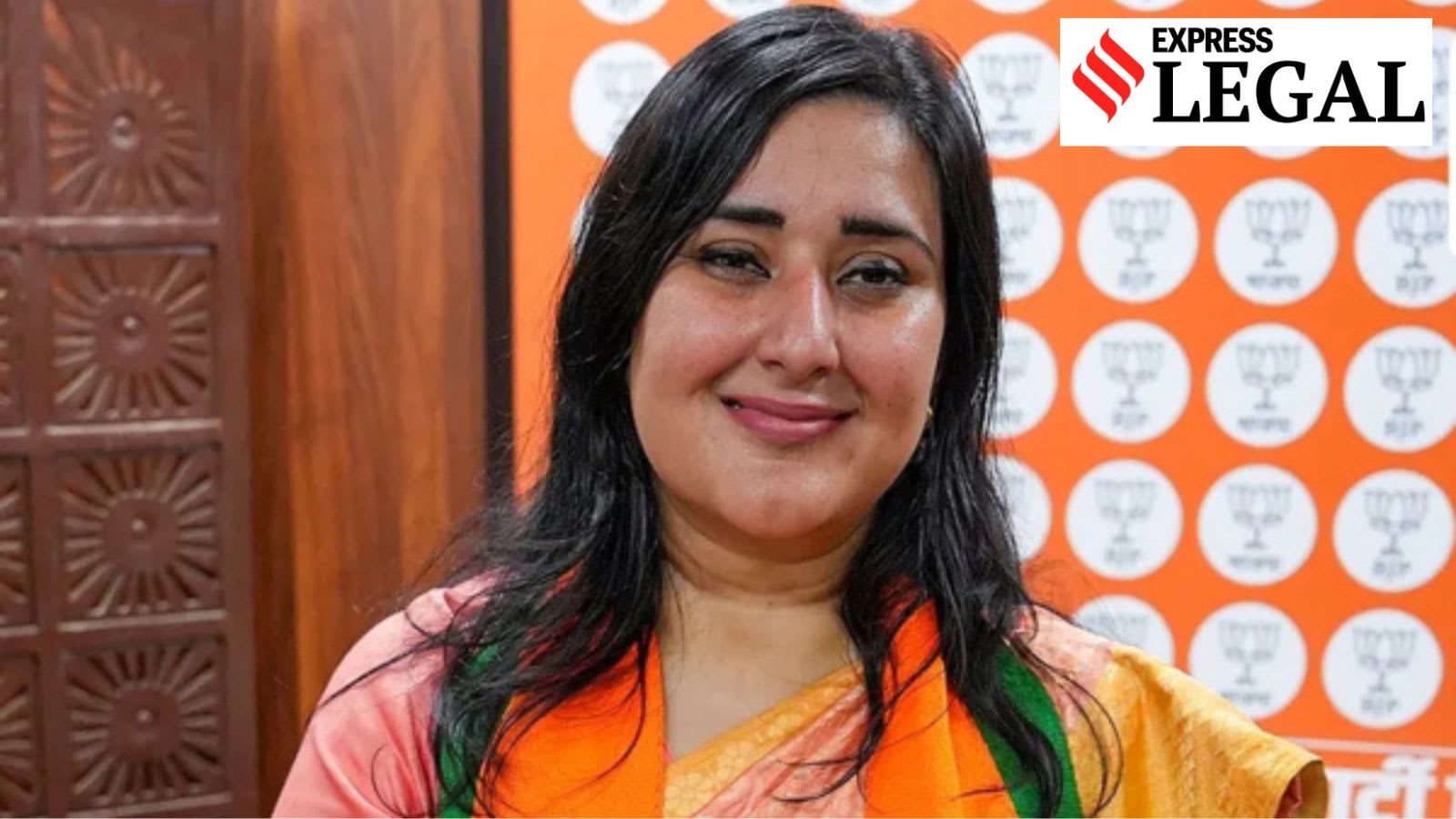
The Indian government has introduced the Public Examinations (Prevention of Unfair Means) Amendment Bill, 2026, to impose stricter penalties for paper leaks. The legislation follows intense student protests and political turmoil that recently led to the resignation of the Union Education Minister.
Legislative Response to Examination Integrity
The Indian government has officially introduced the Public Examinations (Prevention of Unfair Means) Amendment Bill, 2026, in the Lok Sabha. This legislative push comes in the wake of widespread, nationwide student protests regarding the integrity of recruitment and academic examinations. By introducing these amendments, the administration aims to fortify the legal framework governing examination malpractices, signaling a shift toward more punitive measures for those involved in paper leaks.
Stricter Penalties and Institutional Reform
The core of the 2026 Bill focuses on significantly escalating the consequences for individuals convicted of orchestrating or participating in paper leaks. The proposed law mandates a 10-year prison sentence and a financial penalty of up to Rs 50 lakh. Furthermore, the legislation incorporates a two-month cap on investigations and provides statutory backing for fast-track courts, ensuring that justice is administered with greater urgency to maintain the sanctity of the public examination process.
The Catalyst: Political Unrest and Resignation
The introduction of this Bill is deeply intertwined with recent political instability. The Cockroach Janta Party (CJP) spearheaded the mass protests that eventually pressured the government into action. The intensity of these student-led movements resulted in a significant political casualty: the resignation of Union Education Minister Dharmendra Pradhan. This move reflects the high stakes involved in handling student grievances and the government's attempt to restore public confidence in the examination system.
Parliamentary Gridlock and Opposition Demands
While the Lok Sabha debates the substance of the Bill, the Rajya Sabha has faced persistent disruptions. For six consecutive days, the upper house has been adjourned without conducting business. The Opposition has remained steadfast in its demand for an apology from Union Home Minister Amit Shah regarding police conduct during the July 20 march to Parliament. This tension has stalled other legislative items, such as the Prevention of Insults to National Honour (Amendment) Bill, 2026, illustrating the deep chasm between the government’s agenda and the Opposition’s focus on accountability.
Broader Implications for Youth Welfare
Minister of State Jitendra Singh has framed the amendments as a "reaffirmation of the government’s commitment to safeguard the welfare of students and youth." By making the laws more stringent, the government hopes to deter future malpractices that have historically undermined the career prospects of millions of aspirants. The success of this legislative effort will likely depend on the government's ability to navigate the ongoing parliamentary impasse while addressing the specific concerns regarding police handling of student demonstrators.
Conclusion
The Public Examinations (Prevention of Unfair Means) Amendment Bill, 2026, represents a critical juncture in India’s educational and political landscape. By balancing the need for legislative reform with the demands for police accountability and administrative transparency, the government is attempting to address a systemic crisis that has gripped the nation. Whether these measures will successfully curb examination malpractices or remain a point of contention depends on the effective implementation of the new, harsher penalties and the resolution of the prevailing political standoff.
Multiple Citing Sources