Anti-paper leak bill clears Parliament; PM Modi says it will build a credible exam system
Source Entity
TNN
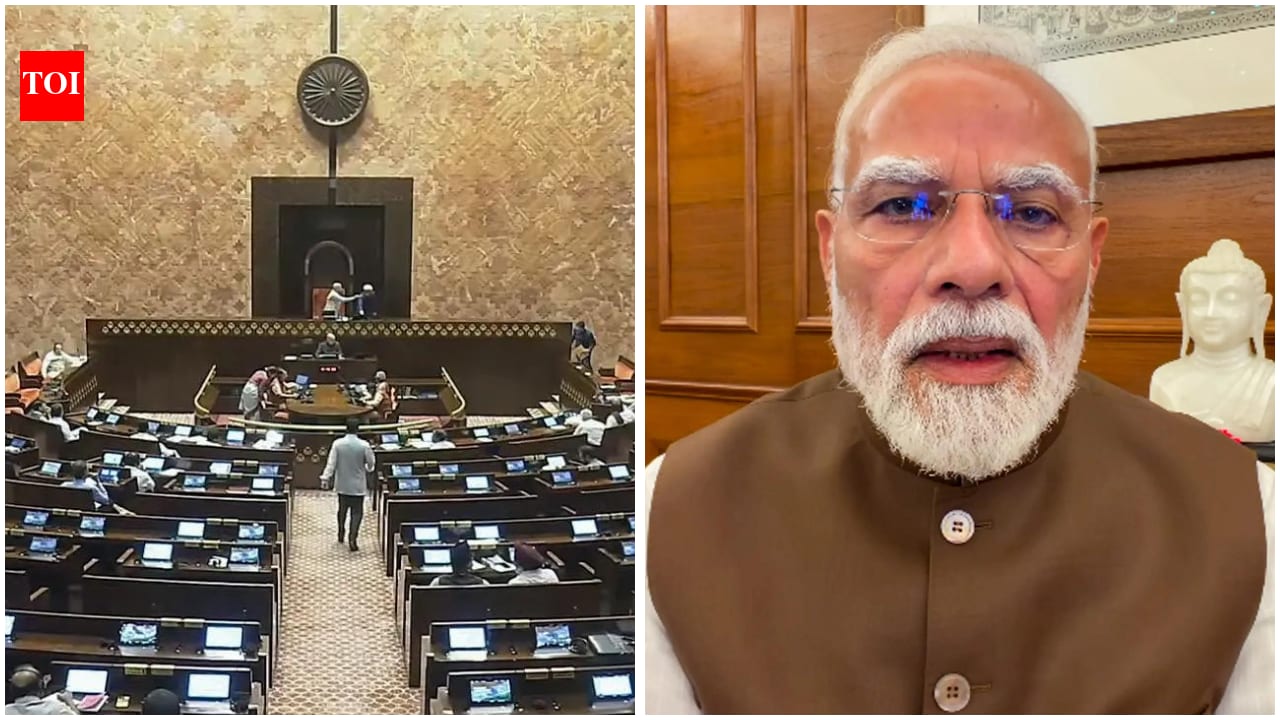
Parliament has passed the Public Examinations (Prevention of Unfair Means) Amendment Bill, 2026, to combat paper leaks with stricter penalties. While the government hails this as a transparency milestone, the opposition has expressed intense criticism over past inaction.
Legislative Milestone: Strengthening Exam Integrity
The passage of the Public Examinations (Prevention of Unfair Means) Amendment Bill, 2026, by the Rajya Sabha marks a pivotal shift in the legislative framework governing academic and recruitment integrity in India. Following its clearance by the Lok Sabha, the bill establishes a robust legal architecture designed to deter malpractice, including a proposed minimum sentence of seven years for organized crimes related to examination leaks. This legislative move is a direct response to persistent systemic vulnerabilities that have plagued public examinations, threatening the credibility of the nation’s recruitment and education systems.
The Government’s Stance and Prime Minister’s Assurance
Prime Minister Narendra Modi has framed this legislation as a crucial milestone in ensuring transparency. In a public message, the Prime Minister emphasized that the government is committed to dismantling the so-called "paper mafia" and "paper leak gangs" that compromise the future of the nation's youth. By positioning these tougher laws as a fulfillment of promises made to the public, the administration aims to reassure candidates that those who exploit the system will face severe legal consequences, reflecting a zero-tolerance policy toward exam-related corruption.
Opposition Critique and Political Friction
Despite the bill's passage, the floor of the Rajya Sabha witnessed a stormy exchange, highlighting deep-seated political polarization regarding the issue. Leader of Opposition Mallikarjun Kharge spearheaded the pushback, calling for the resignation of Home Minister Amit Shah. Kharge’s critique focused on the perceived historical failure to protect students, arguing that previous years saw a lack of accountability for those responsible for leaks while students faced undue hardships. This confrontation underscores the opposition's skepticism regarding the government's timing and historical record on education reform.
Legal Implications and Deterrence
At the core of the 2026 Amendment Bill is the intent to introduce stringent punitive measures. By mandating a minimum seven-year sentence for organized crimes, the government is signaling an escalation in the legal risk profile for offenders. This shift from lighter penalties to substantial prison time is intended to serve as a powerful deterrent against organized syndicates that operate with the intent to undermine the fairness of competitive examinations.
Broader Context and Future Trends
The recurring issue of paper leaks has been a significant point of contention in Indian governance for years. The transition toward centralized, tougher legislation indicates an evolving trend where the state is increasingly moving to centralize oversight of major exams to maintain public trust. Moving forward, the effectiveness of this bill will be measured by its implementation and the speed at which convictions are secured under the new provisions. The government's ability to balance these new legal powers with administrative efficiency will be the defining factor in whether the "paper mafia" can truly be eradicated from the competitive landscape.