JPMorgan, Schwab and UBS manage millions in Trump's $858 investment portfolio
Source Entity
US Top News and Analysis
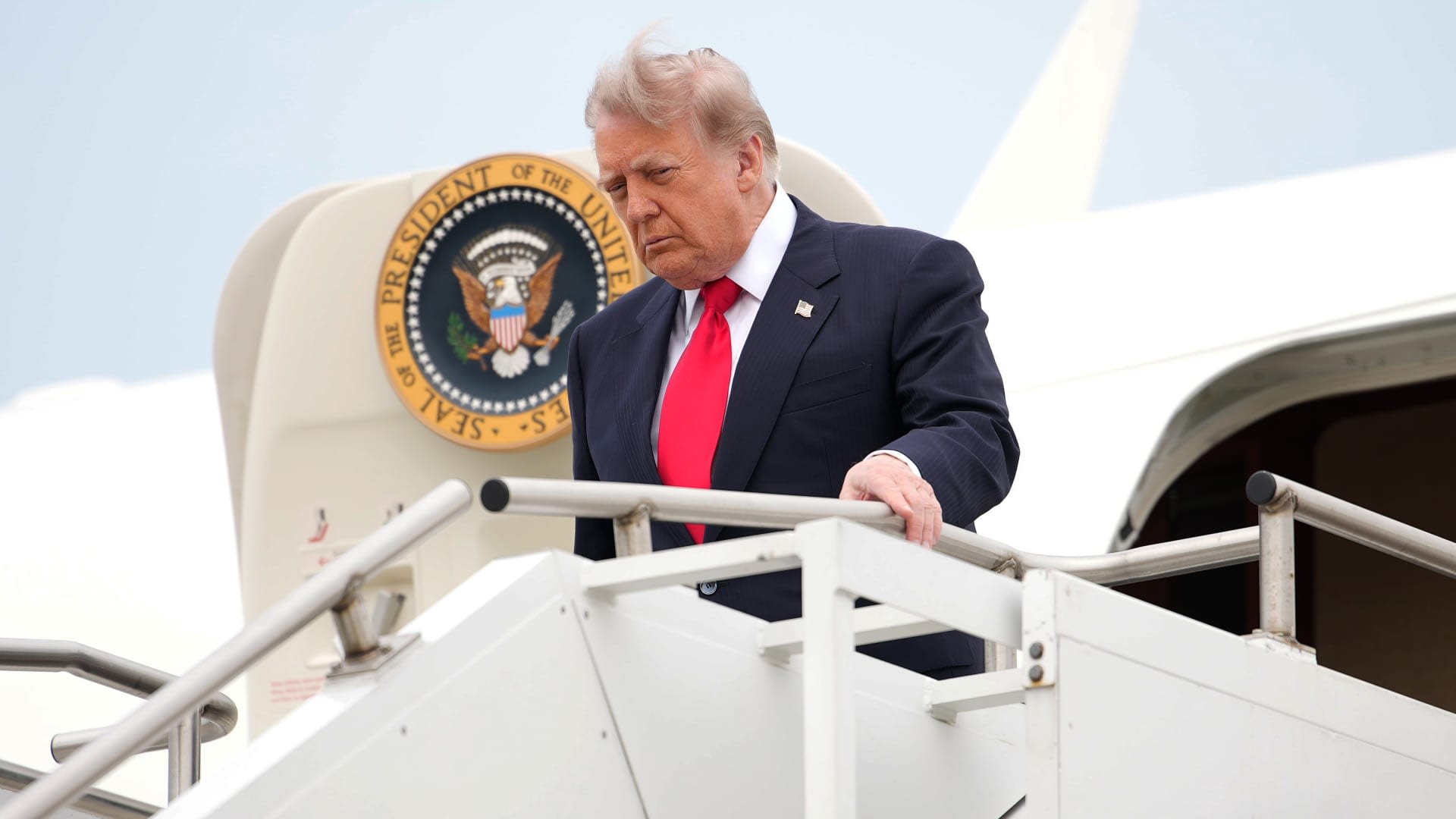
A CNBC analysis of President Trump's 2025 financial disclosure reveals that major firms like JPMorgan, Schwab, and UBS manage at least $858 million of his assets. This disclosure offers rare insight into the previously opaque structure of his personal wealth across multiple investment accounts.
Unveiling the Financial Architecture of the Presidency
For years, the intricacies of President Donald Trump’s personal wealth have remained a subject of intense public and political scrutiny. A recent CNBC analysis of the 2025 annual financial disclosure filed with the Office of Government Ethics has finally begun to pierce this veil, identifying several prominent financial institutions tasked with managing his sprawling portfolio. The data confirms that JPMorgan Chase, Charles Schwab, UBS, and Stephens Inc. are key players in overseeing assets valued at no less than $858 million.
Identifying the Institutional Players
The investigation specifically linked these financial giants to four of the president’s eight numbered investment accounts—specifically Accounts 3, 5, 6, and 8. By tracing firm-specific investment funds, deposit programs, and credit arrangements embedded within these portfolios, analysts have successfully mapped how these institutions facilitate the management of a fortune that has long been shrouded in mystery. The involvement of such diverse and high-profile firms highlights the complexity of managing a multi-faceted presidential estate.
The Significance of Financial Transparency
The role of the Office of Government Ethics (OGE) in collecting these disclosures is paramount to maintaining public trust. By requiring high-ranking officials to list their financial holdings, the OGE aims to illuminate potential conflicts of interest. The identification of these specific firms provides a clearer picture of how the president’s personal financial interests are structured and the degree to which he relies on traditional Wall Street institutions to maintain his wealth.
Historical Context and Financial Complexity
Historically, the personal finances of U.S. presidents have been a point of contention regarding transparency. While candidates are not legally required to release tax returns, the OGE disclosures provide a mandatory look at liabilities and assets. The presence of $858 million across these specific accounts suggests a sophisticated wealth management strategy involving multiple layers of credit and investment vehicles, which is standard for high-net-worth individuals but rarely exposed to this level of scrutiny.
Broader Economic Implications
Beyond the mere disclosure of names, this revelation invites questions about the intersection of personal wealth and public policy. When a president maintains significant accounts at major systemic financial institutions, the potential for perceived or actual conflicts of interest increases. The market’s reaction to such disclosures often highlights the tension between private wealth management and the public duty of transparency, as citizens seek to ensure that policy decisions are not influenced by the financial institutions managing a leader’s personal assets.
Future Trends in Disclosure and Oversight
As public demand for transparency grows, it is likely that future financial disclosures will face even greater scrutiny from journalists and watchdog groups. The ability to trace assets through specific funds and credit arrangements represents a new standard in investigative journalism. Moving forward, the reliance on these institutions will likely continue to be a focal point for those interested in the nexus of presidential power and global finance, setting a precedent for how future administrations handle their financial visibility.