From 'dog fruit' to darling: India's avocado boom
Source Entity
BBC News
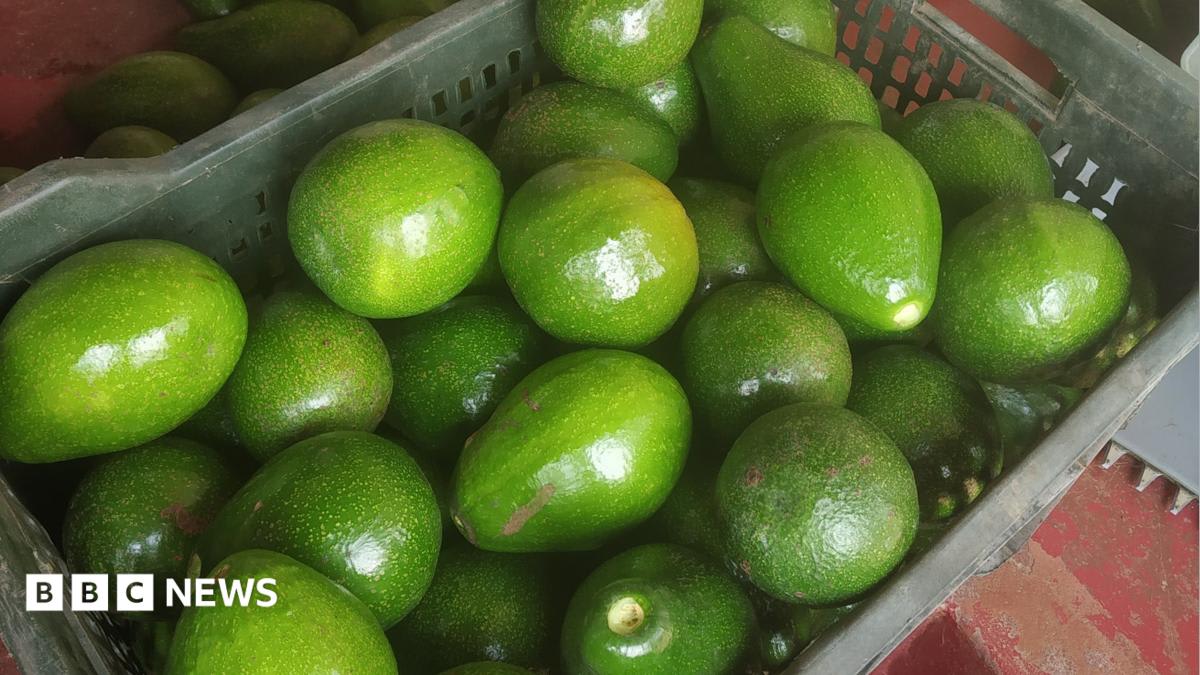
India's avocado market has transformed from a neglected agricultural byproduct known as 'dog fruit' into a high-value commercial crop. Driven by celebrity endorsements and changing dietary trends, local farmers are now pivoting to professional cultivation.
The Rise of India's Avocado Market
For decades, the avocado was a largely ignored presence in India’s agricultural landscape. Known colloquially as 'dog fruit' because unharvested, fallen produce was left to be scavenged by local animals, the fruit held no commercial value for much of the early 21st century. Sunil Bopaiah, a veteran of the Indian plantation industry with 26 years of experience, recalls a time just fifteen years ago when the market for the fruit was virtually non-existent, relegated to the status of a botanical afterthought.
From Shade Tree to Cash Crop
Historically, the presence of avocados in India was accidental rather than intentional. Growers like Cottanad Plantations in the hills of Wayanad, Kerala, utilized avocado trees primarily as shade cover for coffee plantations. The trees served a utilitarian purpose, protecting the delicate coffee plants from direct heat, while the fruit itself was largely dismissed. It was only through the gradual realization of the fruit's potential that farmers began to shift their perspective, viewing avocados not as a structural necessity but as a viable commercial commodity.
The Cultural Catalyst for Growth
Market experts point to a distinct turning point in 2011 that catalyzed the demand for avocados in India. The influence of celebrity culture proved to be the primary driver of this shift when Bollywood star Shilpa Shetty publicly endorsed the avocado for its skincare benefits. This cultural endorsement bridged the gap between the fruit’s perceived obscurity and the growing consumer interest in wellness and superfoods. As awareness spread, the market dynamics changed instantly, with prices doubling in a short period and maintaining an upward trajectory.
Economic Implications for Local Growers
This shift has profound implications for regional economies like Wayanad. As demand continues to climb, plantations that once focused on traditional crops—such as rubber, cocoa, and spices—are increasingly integrating avocados into their core business strategies. This diversification is not merely an agricultural trend but a strategic response to evolving consumer preferences and the pursuit of higher profit margins in a globalized food economy.
Future Outlook and Market Sustainability
Looking ahead, the sustainability of this boom depends on the ability of local growers to transition from incidental harvesting to professional, high-yield cultivation. While the initial growth was fueled by celebrity influence, long-term success will require consistent supply chains and improved post-harvest handling. As the 'dog fruit' label fades into history, the avocado stands as a prime example of how niche agricultural products can undergo rapid commercialization in response to shifting societal values and consumer lifestyle trends.