Will consider Bihar’s concerns before Ganga treaty renewal, says Jaishankar
Source Entity
India Latest News: Top National Headlines Today & Breaking News | The Hindu
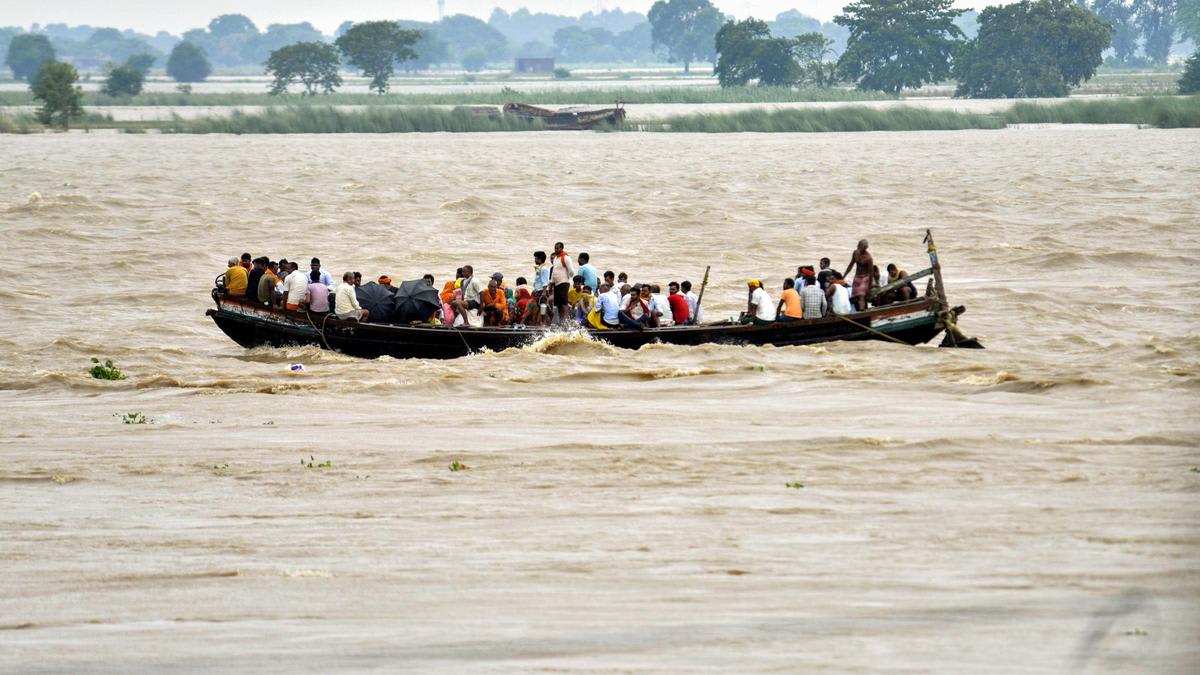
External Affairs Minister S. Jaishankar has assured that Bihar's concerns will be prioritized during negotiations for the 1996 Ganga Water Treaty renewal. The treaty with Bangladesh is set to expire in December 2026, prompting calls from Bihar officials to address alleged negative impacts on the state.
The Future of the Ganga Water Treaty: Balancing Diplomacy and State Interests
A Diplomatic Crossroad
As the 1996 Ganga Water Treaty between India and Bangladesh approaches its expiration date on December 31, 2026, the diplomatic landscape is intensifying. External Affairs Minister S. Jaishankar has formally acknowledged the concerns raised by the Janata Dal (U) regarding the treaty's impact on Bihar. This development highlights the complex intersection of international transboundary water management and the domestic developmental needs of Indian states that share the Ganga river basin.
The Bihar Perspective: Addressing Local Impact
Janata Dal (U) MP Sanjay Jha has been a vocal critic of the existing framework, arguing that the 1996 agreement has negatively impacted Bihar. The state government maintains that their concerns are rooted in scientific assessments rather than political posturing. By advocating for a "full and fair" consideration of these impacts, Bihar is signaling that future water-sharing agreements must account for the hydrological and ecological shifts that have occurred within the state over the last three decades.
The Significance of the 1996 Framework
Historically, the 1996 treaty was a milestone in India-Bangladesh relations, aiming to resolve long-standing disputes over water-sharing at the Farakka Barrage. However, the shifting climate patterns, sedimentation issues, and changing irrigation demands have rendered parts of the original agreement a subject of intense domestic scrutiny. The upcoming renewal process serves as a critical opportunity for the Ministry of External Affairs to modernize the framework to better reflect current environmental realities.
Challenges in Transboundary Water Management
Managing a river that traverses international borders requires a delicate balance between fulfilling bilateral commitments to neighbors and ensuring the water security of internal riparian regions. Bihar’s stance adds a layer of domestic policy complexity to the negotiations. As India engages with Bangladesh on this renewal, the government must reconcile the need for stable diplomatic relations with the fundamental requirement to protect the agricultural and economic health of the Ganga basin within India.
Looking Toward 2026
As the expiration date looms, the ongoing dialogue between the Ministry of External Affairs and stakeholders like Sanjay Jha suggests a more consultative approach to treaty negotiations. The government’s commitment to factoring in Bihar’s interests suggests that the renewal process will likely involve a rigorous review of how water flow affects downstream regions. The outcome of these discussions will not only define India-Bangladesh relations for the coming decades but also set a precedent for how the central government integrates state-level concerns into international water diplomacy.
Verification Required?