US reacts to PM Modi-Iran prez meet; issues warning to countries 'helping' Tehran
Source Entity
VIVEK DUBEY
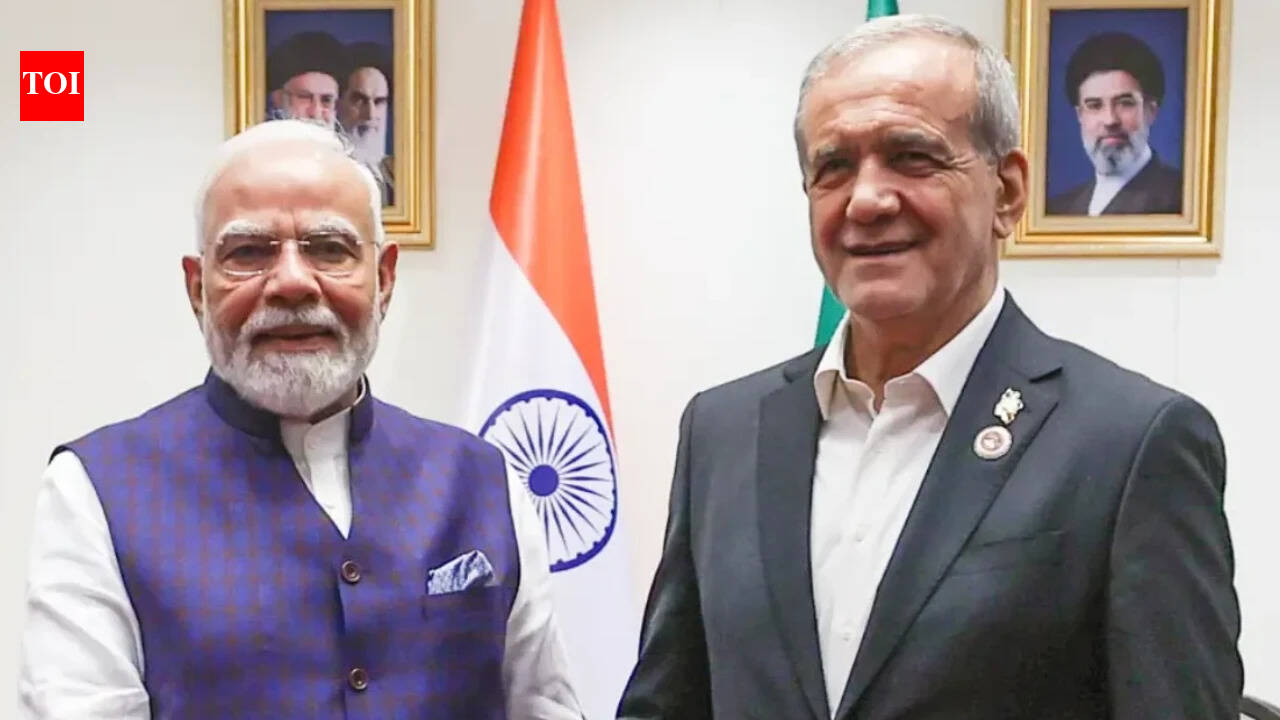
US Secretary of State Marco Rubio has warned countries against assisting Iran in evading sanctions following a bilateral meeting between PM Modi and President Pezeshkian. The warning emphasizes that nations facilitating Iranian revenue could face secondary US sanctions.
US Issues Stern Warning Following India-Iran SCO Meeting
Recent diplomatic developments at the Shanghai Cooperation Organisation (SCO) summit in Bishkek have drawn sharp scrutiny from the United States. Following a bilateral meeting between Indian Prime Minister Narendra Modi and Iranian President Masoud Pezeshkian, US Secretary of State Marco Rubio issued a pointed warning to the international community. The core of this intervention centers on the Biden administration's strict stance regarding the enforcement of sanctions against Tehran, specifically targeting any nation that facilitates Iran's ability to generate revenue.
The Context of Secondary Sanctions
Secretary Rubio’s comments, delivered during an interview on The Brian Kilmeade Show, underscore the persistent friction between US foreign policy and the strategic autonomy pursued by nations within the SCO. The US warning is not merely a diplomatic critique of the meeting itself, but a proactive deterrent against potential economic cooperation. By explicitly stating that countries helping Iran evade sanctions may face repercussions, the US is highlighting its readiness to utilize 'secondary sanctions' to isolate the Iranian economy, regardless of the historical or strategic ties other nations may maintain with Tehran.
Strategic Autonomy vs. Geopolitical Pressure
For India, the meeting with President Pezeshkian represents a continuation of its long-standing efforts to maintain a balanced foreign policy. India has historically engaged with Iran to secure its regional interests, particularly concerning connectivity projects and energy security. However, the current geopolitical climate, characterized by heightened Western scrutiny of Iranian activities, forces New Delhi to navigate a narrow path. The prospect of a potential trade deal between India and Iran, as suggested by recent reports, is now being viewed through the lens of US compliance requirements.
The SCO Dynamics
The Shanghai Cooperation Organisation serves as a platform where diverse nations, including those with varying degrees of tension with the West, engage in multilateral dialogue. The Bishkek summit has become a flashpoint because it forces a confrontation between the SCO’s goal of regional integration and the US-led global sanctions regime. Secretary Rubio’s remarks signal that the US is closely monitoring these high-level interactions to ensure that the pursuit of regional stability does not translate into economic lifelines for the Iranian leadership.
Future Implications for Bilateral Ties
The warning from Washington adds a layer of complexity to future Indo-Iranian engagements. As India continues to manage its strategic partnerships with both the United States and Iran, the threat of sanctions presents a significant variable in its diplomatic calculus. Analysts suggest that India will likely continue to prioritize its national interest while attempting to mitigate the risk of US friction. The coming months will be critical in observing whether the proposed trade deals proceed and how the US administration defines 'helping' Iran in the context of bilateral trade and economic cooperation.
Conclusion
In summary, the interaction between PM Modi and President Pezeshkian has triggered a significant diplomatic ripple effect. While international leaders often meet to discuss regional stability and economic interests, the US has made it clear that Iran remains a top-tier sanctions priority. As the situation evolves, the global community will be watching to see how nations balance the benefits of engagement with Tehran against the potential for significant economic fallout from Washington.
Multiple Citing Sources