India holds talks with Russia, Ukraine on ending war: Jaishankar
Source Entity
Latest News: Todays Latest News Headlines from India & World | Hindustan Times | Hindustan Times
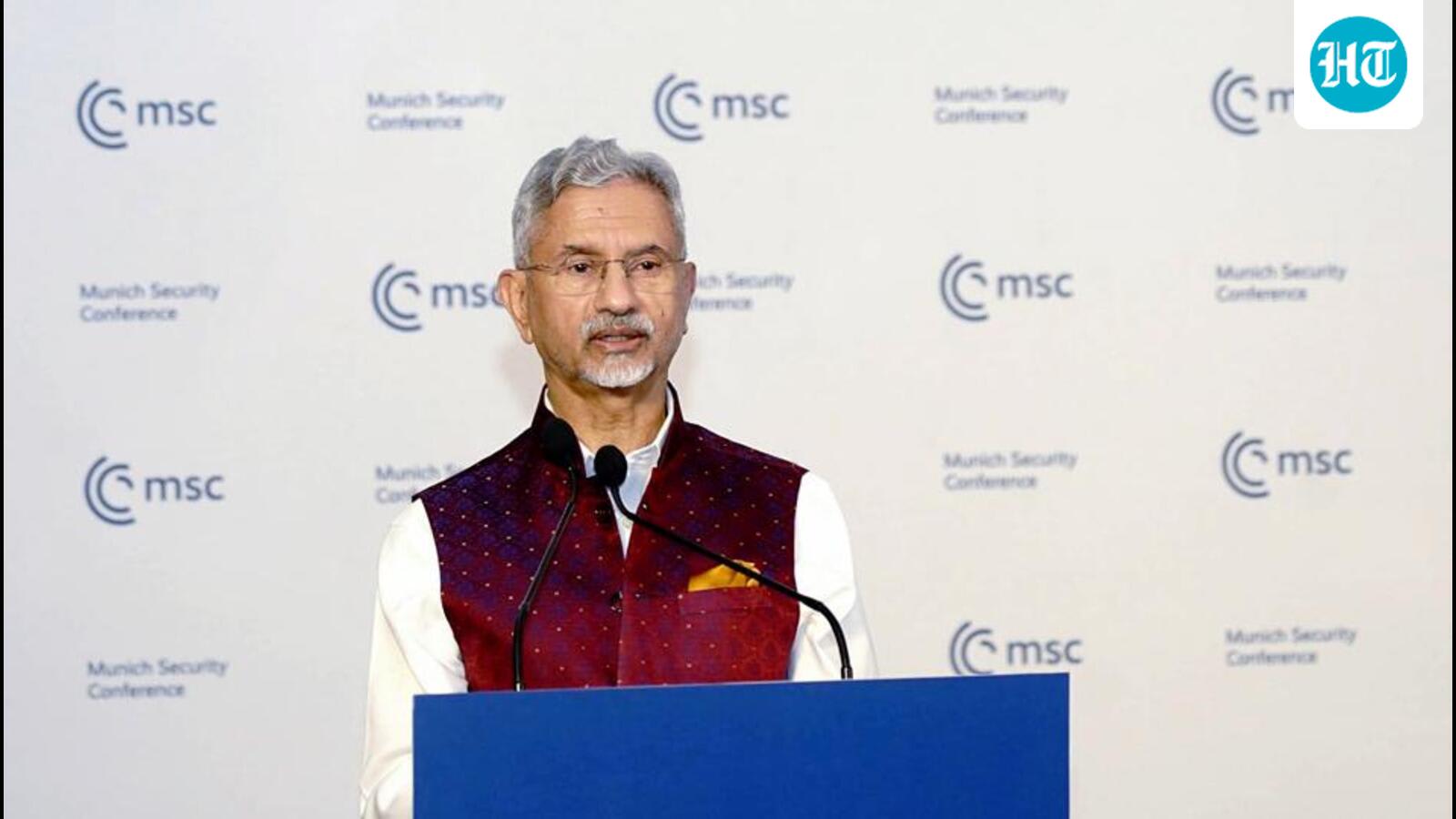
External Affairs Minister S. Jaishankar has confirmed that India is moving beyond passive advocacy to actively engage in diplomatic talks with both Russia and Ukraine. This shift aims to facilitate peace negotiations and address critical issues like Black Sea safety and grain exports.
India’s Strategic Shift in the Russia-Ukraine Conflict
External Affairs Minister S. Jaishankar recently announced a significant pivot in India's diplomatic posture regarding the Russia-Ukraine conflict. Speaking at the Munich Leaders Meeting in New Delhi on October 4, 2026, Jaishankar confirmed that India is moving "beyond advocacy" to actively engage with both Moscow and Kyiv. This marks a notable evolution from India's historically cautious approach, positioning the nation as a proactive mediator capable of facilitating dialogue to end the ongoing hostilities.
Historical Foundations of India-Russia Ties
Central to India's diplomatic balancing act is its long-standing relationship with Russia, dating back to the Soviet era. Jaishankar emphasized that Russia has historically supported India during critical moments of threat to its territorial integrity, often when other global powers aligned with opposing military regimes. This deep-rooted strategic partnership, spanning from the 1950s to the present, provides India with a unique level of credibility in Moscow that few other nations possess, allowing it to maintain open channels of communication even amidst intense global pressure.
The Move Toward Active Mediation
India's recent involvement is not merely symbolic. Jaishankar disclosed that New Delhi has been actively working on specific, practical aspects of the conflict, including the safety of shipping in the Black Sea, the continuity of grain and energy exports, and the development of "non-attack" protocols. This pragmatic focus on humanitarian and economic stability serves as a bridge for negotiations, reflecting India’s role as a bridge-builder between the Global South and Western powers.
International Recognition of India’s Proposals
The weight of India’s diplomatic intervention has been acknowledged by both sides of the conflict. Ukrainian Foreign Minister Andrii Sybiha recently stated that Kyiv has received a "comprehensive" and "broad" peace proposal from India, describing it as the most significant among several international offers. Concurrently, Russian President Vladimir Putin has lauded Prime Minister Narendra Modi for offering "excellent ideas" that could lead to mutually acceptable solutions, underscoring the trust both parties place in New Delhi.
Broader Implications and Future Trends
This shift highlights India's growing influence as a "middle power" capable of shaping global security architectures. By moving from a position of neutral advocacy to one of active engagement, India is asserting its autonomy in foreign policy and its commitment to a rules-based international order. As the conflict continues, India's role as a potential mediator will likely become a focal point of global diplomatic efforts, testing the nation's capacity to navigate complex geopolitical rivalries while maintaining its strategic interests.
Conclusion
India’s transition to a more involved diplomatic role represents a landmark moment in its foreign policy. By leveraging historical ties with Russia and growing global influence, New Delhi is attempting to foster a climate conducive to peace. While the path to a permanent resolution remains fraught with challenges, India's willingness to engage both parties directly signals a new chapter in its contribution to global stability.
Multiple Citing Sources
Verification Required?