Will hold ‘public impeachment’ of Gyanesh Kumar at Mallikarjun Kharge’s residence on Friday: Congress
Source Entity
The Indian Express
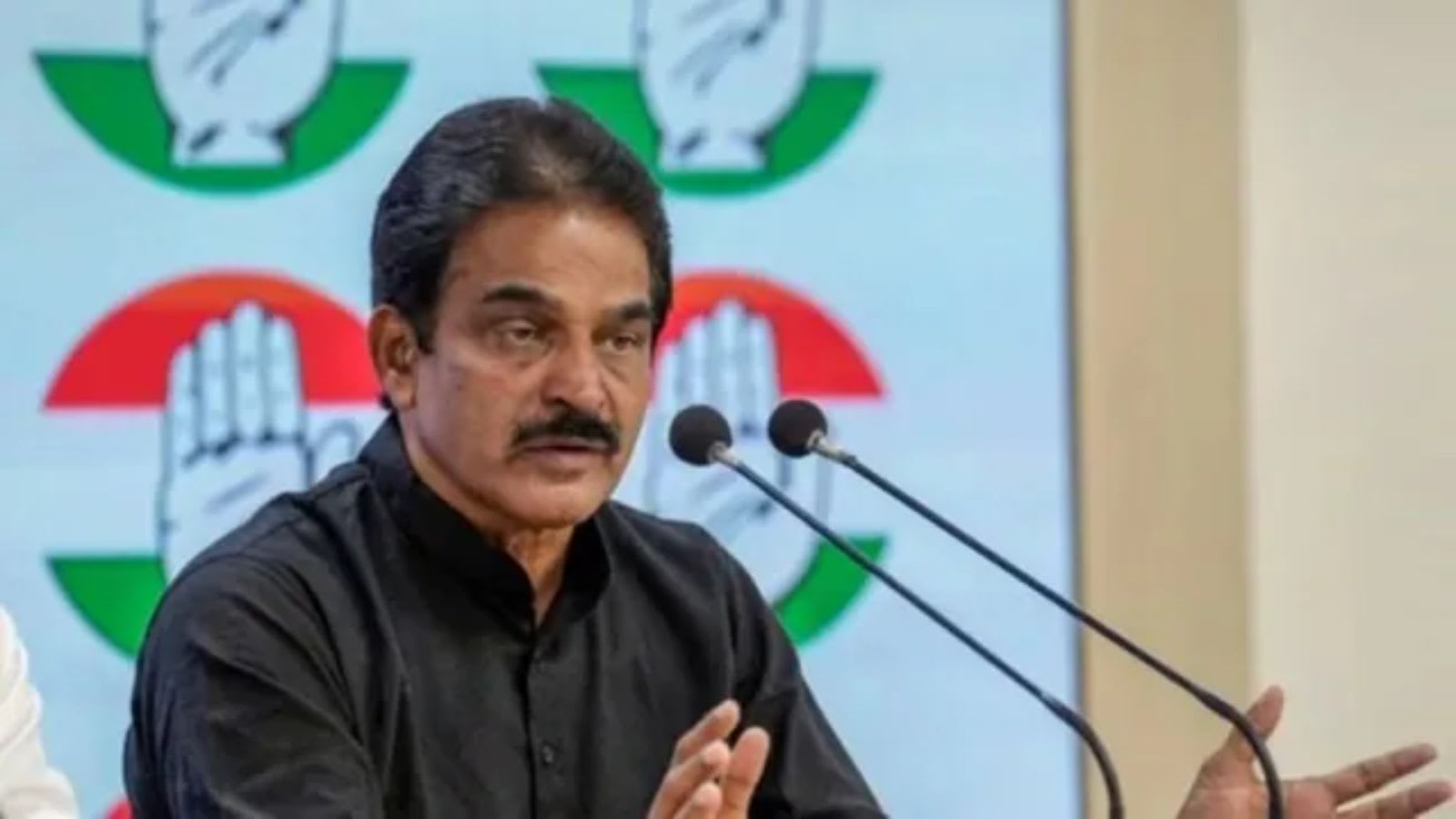
The INDIA bloc has relocated its planned 'public impeachment' of CEC Gyanesh Kumar to Mallikarjun Kharge’s residence following denied permits at Ramlila Maidan and the Ashoka Hotel. Congress leaders have criticized the police actions as an attempt by the ruling government to suppress peaceful political expression.
The INDIA Bloc’s Confrontation Over Election Oversight
The political landscape in New Delhi has intensified as the INDIA bloc, a coalition of opposition parties, has been forced to relocate their planned 'public impeachment' of Chief Election Commissioner (CEC) Gyanesh Kumar. Originally intended to take place at the prominent Ramlila Maidan, the event was shifted to the residence of Congress President Mallikarjun Kharge at 10, Rajaji Marg, following a denial of permission by the Delhi Police. This development underscores a growing friction between opposition forces and the administrative machinery regarding the management of public spaces for political discourse.
Administrative Obstacles and Denied Access
According to reports from Congress General Secretary K.C. Venugopal, the opposition had initially sought to secure the Ramlila Maidan for their protest, claiming they held prior permissions valid from October 25 through November 3. However, logistical preparations were halted by police intervention, which prevented the construction of necessary infrastructure. This is not the first instance of logistical rejection for the coalition; reports indicate that the Ashoka Hotel also declined to host the event, forcing the opposition to move their activities to a private party venue.
Allegations of Political Suppression
The INDIA bloc has framed these administrative hurdles as a broader symptom of authoritarianism. K.C. Venugopal explicitly questioned the motives behind the police's refusal, suggesting that the government, specifically Prime Minister Narendra Modi and Home Minister Amit Shah, is fearful of even minimal political gatherings. By characterizing the police intervention as an act of fear, the opposition is attempting to mobilize public sentiment against what they perceive as the shrinking space for democratic dissent and institutional oversight.
The Symbolism of 'Public Impeachment'
The term 'public impeachment' carries significant weight in the current political climate. By utilizing this language, the opposition is not merely protesting against a specific individual, CEC Gyanesh Kumar, but is signaling a deep-seated distrust in the electoral process and the neutrality of the Election Commission of India. This performative act serves to keep the spotlight on the integrity of constitutional bodies, a recurring theme in the opposition's campaign strategy leading up to future electoral cycles.
Broader Implications for Indian Democracy
This standoff highlights the precarious nature of public protest in the national capital. The repeated denial of high-profile venues for opposition events reflects a tightening of security and administrative protocols that, according to critics, disproportionately affects non-ruling parties. As the INDIA bloc seeks to consolidate its narrative, the shift to private party residences signifies a strategic pivot toward using party-controlled spaces to bypass state-controlled public grounds.
Concluding Outlook
The event scheduled for November 30 at 10, Rajaji Marg, represents a critical test for the opposition's ability to maintain momentum despite administrative resistance. Whether this move effectively captures public attention or serves to further isolate the coalition remains to be seen. What is clear is that the relationship between the Election Commission and the opposition has reached a point of open hostility, suggesting that future electoral oversight will remain a highly contentious battleground in Indian politics.
Multiple Citing Sources