As Rahul protests in Delhi, criticism from Telangana: KTR calls him coward and bully
Source Entity
Nikhila Henry
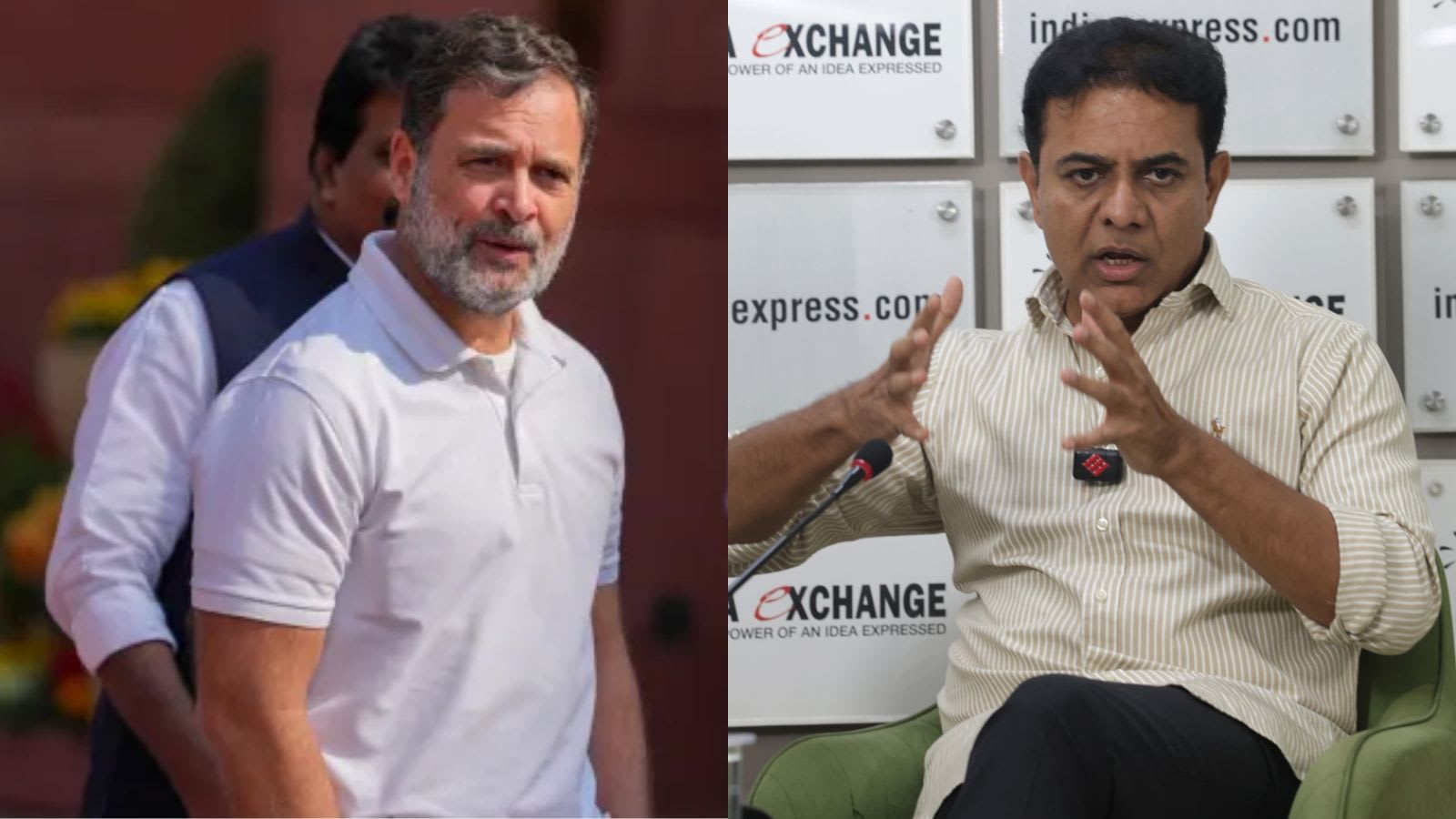
INDIA bloc MPs, led by Rahul and Priyanka Gandhi, staged a protest march to the Election Commission demanding the resignation of CEC Gyanesh Kumar. The demonstration, centered on concerns over the Special Intensive Revision (SIR) exercise, culminated in a sit-in and the temporary detention of opposition leaders.
Tensions Escalate: Opposition Marches to Election Commission
On a Tuesday defined by high-stakes political theater, Members of Parliament from the INDIA bloc initiated a protest march from the Parliament House complex toward the Election Commission of India (ECI) headquarters in New Delhi. The demonstration served as a direct confrontation with the electoral body, fueled by deep-seated grievances regarding the current electoral processes, specifically the ongoing Special Intensive Revision (SIR) exercise. The atmosphere was marked by heavy security deployment, with police barricading the route near NITI Aayog and Akashvani Bhavan to prevent the delegation from reaching their destination.
Demands for Accountability and Allegations of Bias
The protest was spearheaded by prominent opposition figures, including Leader of the Opposition in the Lok Sabha, Rahul Gandhi, and Wayanad MP, Priyanka Gandhi Vadra. The marchers utilized pointed rhetoric, carrying visual aids that depicted Chief Election Commissioner (CEC) Gyanesh Kumar in an RSS uniform, signaling their belief that the ECI has lost its impartial standing. Slogans such as “BJP hai CEC hai” and “Democracy not for sale” were shouted, reflecting the opposition's firm stance that the electoral machinery is currently compromised by partisan influence.
The Sit-in and Police Intervention
When the march was halted by police personnel on Parliament Street, the MPs responded by staging a sit-in on the road. This act of civil disobedience underscored the intensity of the opposition's frustration. The situation escalated into a formal detention of the participating MPs, who were subsequently moved into police buses. This deployment of state force highlights the growing friction between the executive branch and the opposition, as the latter seeks to utilize parliamentary and public platforms to challenge the integrity of the ECI.
An Unscripted Maneuver by the Gandhi Siblings
In a moment that caught both law enforcement and fellow political observers off guard, Rahul and Priyanka Gandhi executed an unscripted detour. As the protest was concluding and leaders were being detained, the siblings bypassed police cordons to enter the Akashvani Bhavan premises. This maneuver created a brief period of confusion among security forces, illustrating the volatile and unpredictable nature of the protest. This act, while tactical, served to further highlight the defiance of the opposition leadership against the restrictive measures placed upon their demonstration.
Broader Implications for Indian Democracy
This event is not an isolated incident but rather a symptom of the deepening trust deficit between the INDIA bloc and constitutional institutions. By questioning the SIR exercise and calling for the resignation of the CEC, the opposition is signaling a long-term strategy to challenge the procedural legitimacy of India’s electoral framework. The demand for the resignation of an election official is a high-stakes move that challenges the foundational trust in neutral oversight, suggesting that future election cycles will likely be defined by intense scrutiny and institutional friction.
Conclusion
The protest at the Election Commission serves as a critical inflection point in the current political climate. By physically challenging the boundaries set by law enforcement and directly questioning the neutrality of the ECI, the INDIA bloc has firmly placed electoral integrity at the center of their legislative agenda. As both the government and the opposition prepare for future electoral battles, the precedent set by this march—and the subsequent reactions from state authorities—will likely shape the discourse surrounding democratic accountability in India for the foreseeable future.
Multiple Citing Sources