India-Canada free trade deal may be concluded next month, says Maninder Sidhu
Source Entity
Latest News: Todays Latest News Headlines from India & World | Hindustan Times
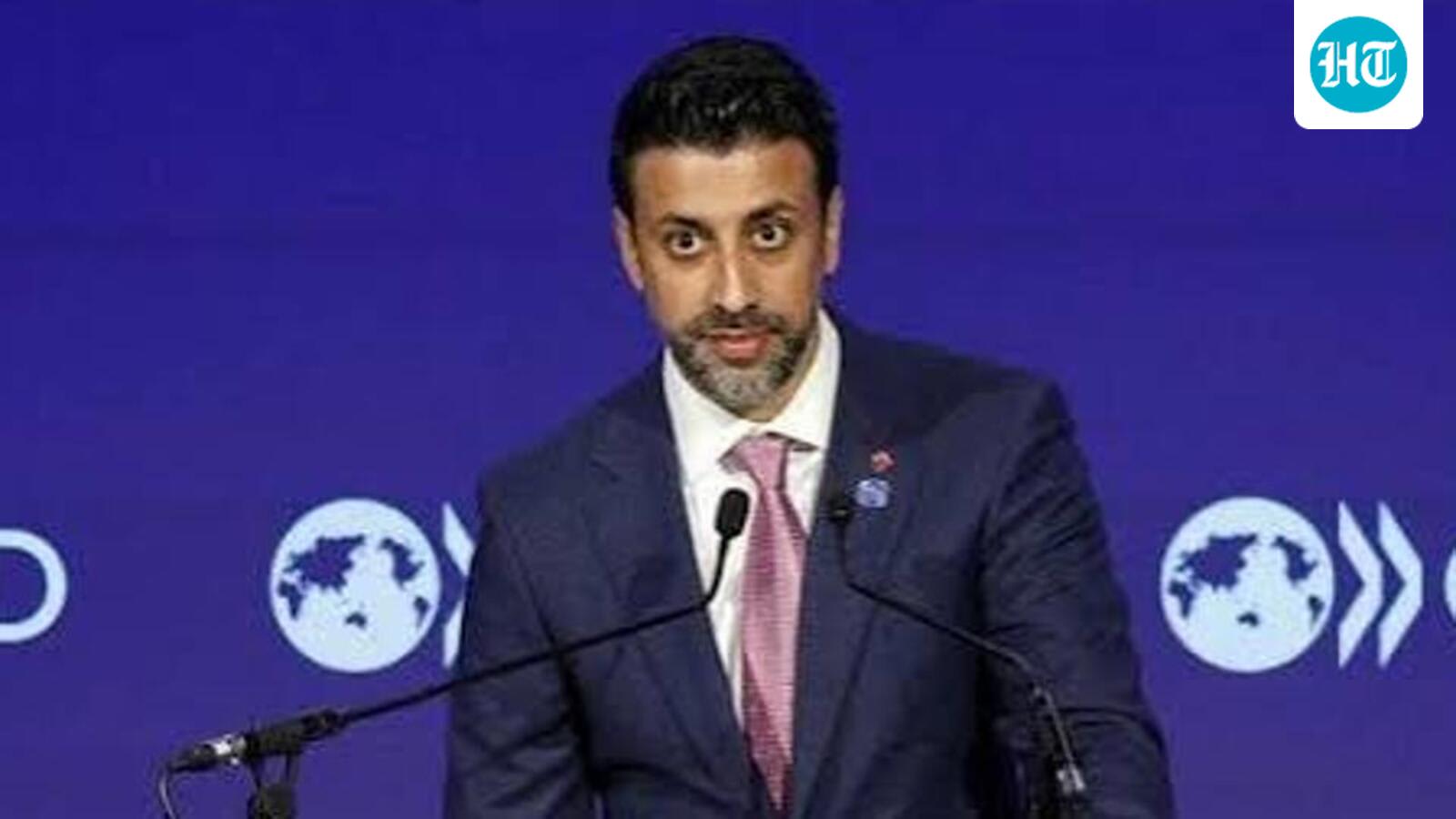
Canada’s Trade Minister Maninder Sidhu expects a comprehensive economic partnership agreement (CEPA) with India to be finalized by December. This trade deal aims to strengthen bilateral ties ahead of Prime Minister Narendra Modi’s anticipated visit to Canada.
Strengthening India-Canada Bilateral Economic Ties
Canada’s Minister of International Trade, Maninder Sidhu, has signaled a significant acceleration in the Comprehensive Economic Partnership Agreement (CEPA) negotiations between Canada and India. Following the successful conclusion of trade talks with ASEAN and the Philippines, the Canadian government has identified India as its next primary objective for a formal trade pact. This diplomatic push aims to formalize a framework that could fundamentally reshape the commercial relationship between the two nations.
The Strategic Importance of CEPA
The ongoing negotiations represent a critical juncture for both economies. A finalized CEPA is expected to lower trade barriers, reduce tariffs, and create a more predictable regulatory environment for businesses operating across borders. By targeting a December deadline, the Canadian administration is positioning this agreement as a flagship achievement, intending to capitalize on the momentum generated by recent successful trade deals in the Southeast Asian region.
Diplomatic Alignment and High-Level Visits
The timing of these negotiations is intrinsically linked to high-level diplomatic exchanges. Minister Sidhu’s recent three-day visit to India, which marked the commencement of the sixth round of formal talks, underscores the urgency both governments are applying to the process. The objective to finalize the deal ahead of Prime Minister Narendra Modi’s visit to Canada suggests that both parties are eager to use the agreement as a cornerstone for future bilateral cooperation.
Navigating Complex Economic Landscapes
While the prospect of a free trade agreement is promising, the path to finalization involves navigating complex sectoral interests. Negotiations for such agreements typically involve delicate discussions regarding market access, intellectual property, and service sector integration. The fact that the sixth round of negotiations has already begun indicates that both countries have moved past initial exploratory phases and are now deep into the substantive text of the agreement.
Future Trends and Regional Impact
If concluded by next month, this agreement would serve as a vital indicator of Canada’s broader 'Indo-Pacific' strategy. By deepening ties with India, one of the world's fastest-growing major economies, Canada is diversifying its trade portfolio and reducing reliance on traditional partners. For India, this agreement represents a continued push toward global integration and the strengthening of economic ties with G7 nations, potentially acting as a catalyst for increased foreign direct investment (FDI) in key sectors.
Conclusion
The optimism expressed by Minister Sidhu reflects a strong political will to bridge the gap between the two nations. As the December deadline approaches, the successful conclusion of the CEPA would not only solidify the commercial partnership but also signal a new chapter in India-Canada diplomatic relations, setting a precedent for future international trade cooperation.
Verification Required?