Caste among 40 questions notified for the second phase of the Census 2027
Source Entity
Latest News: Todays Latest News Headlines from India & World | Hindustan Times | Hindustan Times
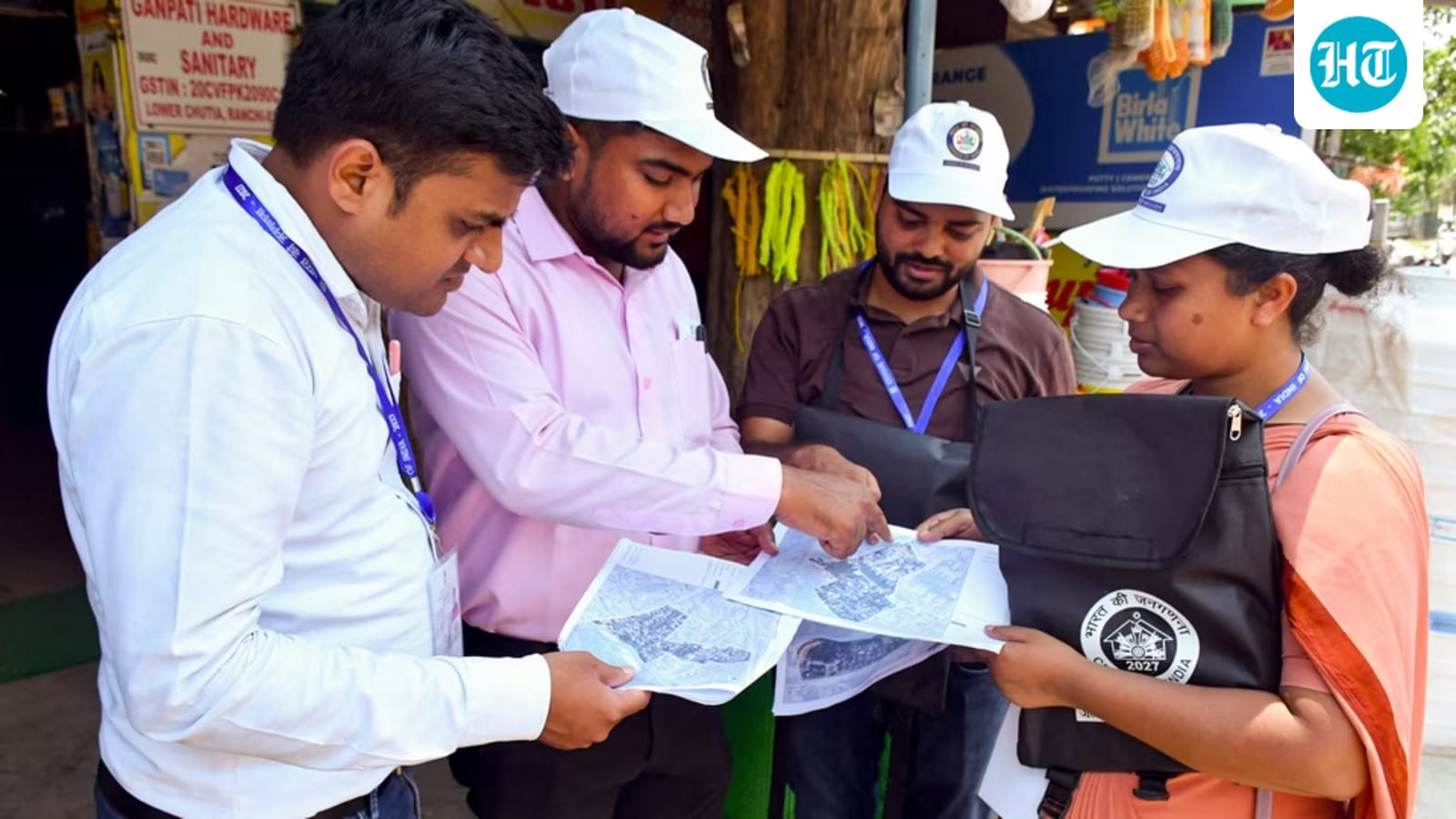
The Union Government has finalized 40 questions for the 2027 Census, marking the first time caste will be enumerated in independent India for non-SC/ST categories. The process begins in select northern regions this August, with the national rollout scheduled for early 2027.
The Landmark Shift in India's Demographic Data
The Union Government has officially notified a comprehensive list of 40 questions for the second phase of the 2027 Census, marking a significant departure from historical data collection practices. This iteration of the census is set to be a milestone in Indian administrative history, as it introduces the formal enumeration of caste for groups outside the existing Scheduled Caste (SC) and Scheduled Tribe (ST) frameworks. This decision, cleared by the Cabinet Committee on Political Affairs on April 30, 2026, aims to provide a granular view of the nation's social composition.
The Methodology of Caste Enumeration
Question number 10 on the new census schedule is specifically designed to capture this data through an open-ended format. By allowing respondents to declare their own caste, the government is facilitating a self-reporting mechanism that census enumerators will record directly. This approach acknowledges the complexities of social identity in India, moving away from rigid, pre-defined categories for the general population while maintaining the standard tracking for SC/ST communities. The 'pre-test' conducted across 16 States and Union Territories in July 2026 served as a crucial rehearsal for this sensitive data collection process.
Expanding the Scope of Household Data
Beyond caste, the 2027 Census is designed to be a holistic demographic survey. The 40-item questionnaire includes essential metrics such as nationality, religion, mother tongue, and migration history. Furthermore, the survey places a renewed emphasis on socio-economic indicators, including literacy, digital literacy, educational attainment, and detailed work status. By incorporating questions about women—specifically the number of living children—the government aims to align census data with broader health and developmental policy goals.
Timeline and Geographic Rollout
The census operation is structured to account for India's diverse geography and climate. The population enumeration phase is scheduled to commence on August 17, 2026, specifically in high-altitude and snowbound regions including Ladakh, parts of Jammu and Kashmir, Himachal Pradesh, and Uttarakhand. This early start ensures that data collection can be completed before extreme winter conditions hinder access. The remainder of the country is slated for enumeration in February 2027, ensuring a comprehensive national coverage.
Broader Implications and Future Trends
The inclusion of ID proofs such as Aadhaar and specific health-related inquiries, including COVID vaccination status, suggests that the 2027 Census will serve as a foundational dataset for future digital governance. By integrating these specific data points, the government is positioning the census to assist in the precision delivery of welfare schemes and targeted public health interventions. As India continues to digitize its administrative infrastructure, the 2027 Census will likely become the benchmark for evidence-based policy formulation for the next decade.
Conclusion
The 2027 Census represents a pivotal moment in Indian governance. By balancing traditional demographic tracking with modern socio-economic queries and the landmark inclusion of caste, the government is seeking to create a multidimensional profile of the populace. As the enumeration process begins, the success of this exercise will rely heavily on the accuracy of self-reporting and the efficiency of the field officers tasked with managing this massive data collection endeavor.
Multiple Citing Sources
Verification Required?