Savarkar defamation case: SC quashes Lucknow Court order summoning Rahul
Source Entity
TOI NEWS DESK
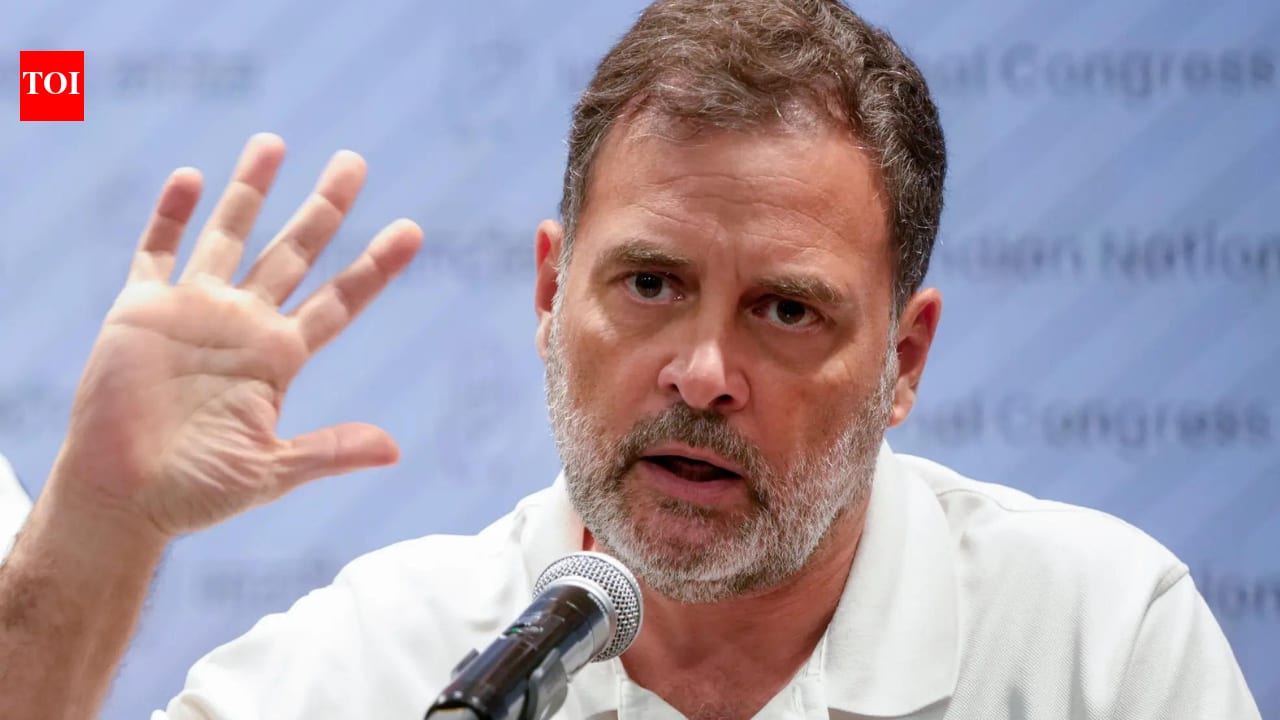
The Supreme Court of India has quashed a defamation case against Rahul Gandhi regarding remarks made about V.D. Savarkar. The bench ruled the case invalid due to the absence of required legal sanctions.
Supreme Court Quashes Defamation Case Against Rahul Gandhi
The Legal Ruling
In a significant legal development, the Supreme Court of India has officially quashed a defamation case initiated against Congress leader Rahul Gandhi. The case, which originated from a Lucknow Court order summoning Gandhi, centered on controversial remarks made regarding the historical figure V.D. Savarkar. A bench comprising Justices Dipankar Datta and Sheel Nagu presided over the matter, ultimately deciding to set aside the lower court's proceedings.
Procedural Lapses and Sanction Requirements
The primary basis for the Supreme Court's decision was a procedural failure rather than a substantive debate on the content of the remarks. The bench explicitly stated that the required legal sanction was not obtained prior to the initiation of the defamation proceedings. In the Indian legal framework, specific procedural safeguards—including obtaining mandatory sanctions—are essential when initiating legal action against public figures or concerning sensitive matters, ensuring that the judiciary is not used as a tool for political harassment.
Context of the Controversy
Rahul Gandhi’s remarks regarding V.D. Savarkar have long been a flashpoint in Indian political discourse. Savarkar, a polarizing figure in India’s freedom struggle, remains a central icon for the ideological base of the ruling Bharatiya Janata Party (BJP), while being frequently criticized by the Congress party. This specific defamation case was one of several legal challenges faced by Gandhi in recent years, highlighting a trend where political rhetoric is increasingly met with litigation in local courts across the country.
Broader Implications for Political Speech
This ruling carries significant weight for the landscape of political discourse in India. By emphasizing the necessity of procedural compliance—specifically regarding sanctions—the Supreme Court has reaffirmed that defamation cases cannot be filed in a cavalier manner. This decision serves as a check against the potential misuse of the judicial system to silence political opponents, reinforcing the importance of due process in high-profile political defamation disputes.
Future Trends in Judicial Intervention
As India moves forward, the judiciary continues to play a pivotal role in balancing freedom of speech with the laws governing defamation. This ruling suggests that the Supreme Court is inclined to scrutinize the foundational validity of such complaints before they reach the trial stage. Future political discourse will likely remain heated, but this precedent mandates that litigants must strictly adhere to procedural requirements before seeking judicial redress for verbal criticism, ultimately shaping how political accountability is pursued in the courts.