Opinion: The Coast Pays, Delhi Collects: What The Centre's Mineral Bill Takes From States
Source Entity
NDTV News Search Records Found 1000
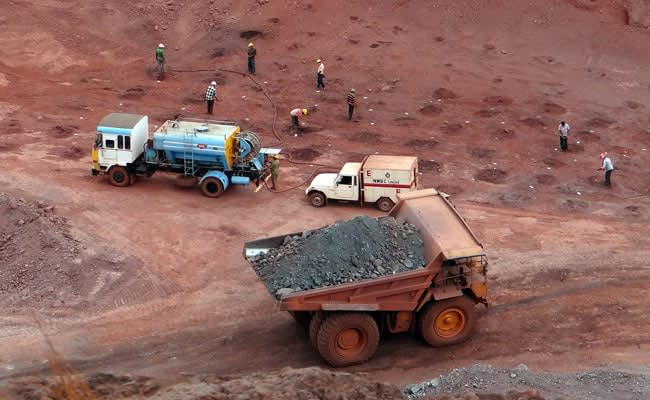
The Mines and Minerals (Development and Regulation) Amendment Bill, 2026, has sparked significant backlash from states like Kerala and Odisha. Political leaders argue the legislation infringes on federal rights and fiscal autonomy by centralizing control over mineral wealth.
The Federal Tug-of-War: Analyzing the MMDR Amendment Act 2026
Constitutional Conflict and Federalism
The recent passage of the Mines and Minerals (Development and Regulation) Amendment Bill, 2026, has ignited a fierce debate regarding the balance of power between India's central government and its constituent states. Critics, including Kerala’s Leader of the Opposition Pinarayi Vijayan, have characterized the legislation as a direct assault on the federal structure of the Constitution. By centralizing the authority to tax and regulate mineral wealth, the Act challenges the long-standing principle that states, which host the natural resources, should maintain significant control over their exploitation and the resulting economic benefits.
Impact on Fiscal Autonomy
For resource-rich states like Odisha, the implications of the Amendment Act are primarily financial. Former Chief Minister Naveen Patnaik has vocalized strong opposition, labeling the bill an infringement on the state’s financial rights. The central concern is that the new provisions will lead to substantial revenue losses, effectively stifling the developmental agendas of states that rely heavily on mineral royalties to fund public services. This shift in legislative power suggests a move toward a more centralized fiscal model, which opponents argue undermines the fiscal autonomy required for decentralized governance.
The Threat of Private Monopolies
Beyond fiscal concerns, the legislative changes have sparked fears regarding the management of India’s precious mineral resources. Pinarayi Vijayan has alleged that the Act is part of a broader policy framework designed to open mineral-rich territories to private monopolies. This concern reflects a deeper anxiety about the commodification of natural resources, where the interests of large corporate entities may be prioritized over the ecological and socioeconomic welfare of local communities and the states that represent them.
Legal and Political Resistance
The opposition to the Act is not merely rhetorical; it is escalating into potential legal action. In Kerala, both the ruling front and opposition factions have expressed a unified front, with calls for the state government to challenge the Act’s provisions in the Supreme Court. Meanwhile, in Odisha, the Biju Janata Dal (BJD) has urged the current state government to take a firm stance against what they describe as a serious threat to constitutional rights. This alignment of political actors against the Centre underscores the depth of the grievances surrounding the legislation.
Future Implications for Indian Federalism
As these states prepare to mount both political and legal challenges, the outcome will likely serve as a litmus test for the future of Indian federalism. If the Supreme Court is called upon to adjudicate, the decision will set a critical precedent for the interpretation of state versus central powers regarding natural resource management. The tension between the need for national-level policy standardization and the constitutional rights of states to oversee their own economic resources remains a defining, and potentially destabilizing, theme in contemporary Indian politics.
Verification Required?