With 11 more questions, Census 2027 population enumeration phase to be of record 50 days
Source Entity
BHARTI JAIN
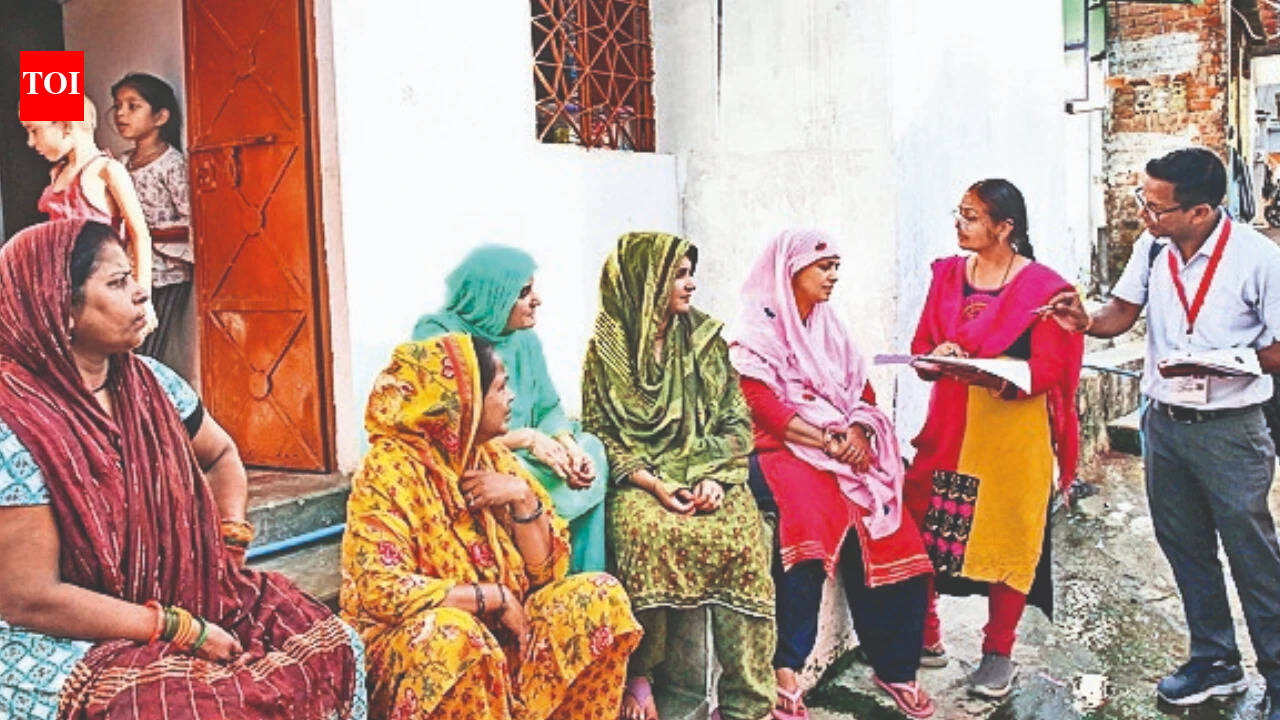
The Indian government has scheduled the 2027 population census from January 25 to February 28, 2027. The exercise will exclude poll-bound states and snow-bound regions, featuring an expanded questionnaire of 40 inquiries.
India Announces Comprehensive Census 2027 Schedule
The Indian government has officially announced the roadmap for the 2027 Census, a massive administrative undertaking that serves as the bedrock for policy formulation, resource allocation, and democratic representation. According to notifications issued by the Registrar General of India and Census Commissioner Mritunjay Kumar Narayan, the enumeration process is slated to take place between January 25 and February 28, 2027, with a reference date set for midnight on March 1, 2027.
Strategic Exclusions and Logistical Challenges
A critical aspect of this announcement is the deliberate exclusion of specific regions to ensure both the integrity of the data and the feasibility of the operation. The enumeration will not take place in states currently facing assembly elections, including Uttar Pradesh, Punjab, Uttarakhand, Manipur, and Goa. Furthermore, regions experiencing harsh winter conditions—specifically Ladakh and various snow-bound areas within Jammu and Kashmir and Himachal Pradesh—have been exempted from the primary schedule to navigate the logistical impossibility of surveying these terrains during peak winter.
Evolving Methodology and Expanded Scope
This census marks a shift toward greater detail, as the government has introduced an expanded questionnaire containing 40 specific items. This represents a significant increase in depth compared to previous iterations, with 11 additional questions now included to capture a more nuanced demographic profile. Key additions to the data collection process include inquiries regarding caste identity, Aadhaar integration, and voter ID details, aiming to create a more comprehensive digital footprint of the Indian population.
Extended Duration for Better Accuracy
The temporal scope of the 2027 Census reflects a departure from traditional timelines. The population enumeration phase is designed to span nearly 50 days, a record duration that aims to improve coverage and data precision. This expanded window includes a 15-day self-enumeration period, which allows citizens to participate digitally, moving beyond the conventional 20-day house-to-house visit model. This hybrid approach is intended to modernize the census process and reduce the burden on field enumerators.
Implications for Governance and Policy
The data gathered from this census will be foundational for the next decade of Indian governance. By linking census data with Aadhaar and voter identification information, the government is signaling a push toward more streamlined public service delivery and targeted welfare schemes. The inclusion of caste data, in particular, is poised to have significant socio-political implications, as it will provide updated benchmarks for affirmative action policies and demographic research.
Future Trends in Data Collection
Looking ahead, the 2027 Census demonstrates a clear trend toward digital integration and prolonged, flexible enumeration schedules. By accounting for regional constraints like elections and climate, the government is prioritizing high-quality, reliable data over rapid completion. As India continues to grow as a digital-first economy, the success of this census will likely set the precedent for future demographic surveys, emphasizing the importance of technology in national-level administrative record-keeping.
Multiple Citing Sources