PM To Visit Kyrgyzstan, Uzbekistan As India Eyes Bigger Role In Central Asia
Source Entity
NDTV News Search Records Found 1000
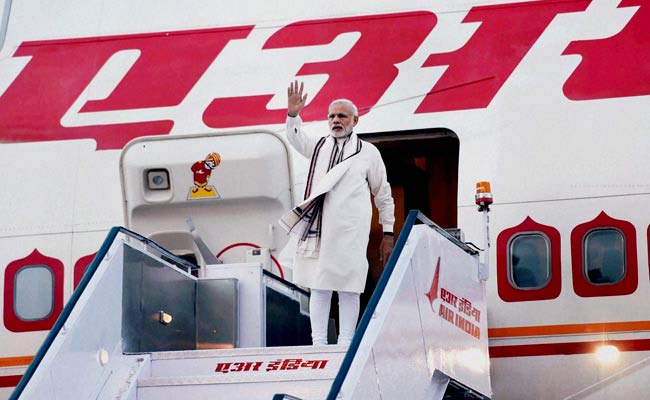
Prime Minister Modi's upcoming visits to Kyrgyzstan and Uzbekistan signal India's strategic push to deepen diplomatic and economic ties in Central Asia. These diplomatic efforts reflect a broader, long-term initiative to enhance regional connectivity and integration.
Strengthening Ties: India’s Strategic Pivot to Central Asia
A Diplomatic Milestone
The announcement of the Prime Minister’s upcoming visits to Kyrgyzstan and Uzbekistan marks a significant chapter in India's foreign policy outreach. By engaging directly with the leadership of these two nations, India is signaling a clear intent to move beyond peripheral interactions and toward a more integrated, substantive partnership. These visits are not isolated events but are representative of a deliberate, long-term diplomatic strategy aimed at fostering stability and cooperation in the heart of Eurasia.
The Geopolitical Context
Central Asia has historically served as a vital bridge between East and West, and India’s renewed focus on the region underscores its importance in the contemporary geopolitical landscape. As a landlocked region, Central Asia is seeking diverse economic partners, and India’s growing engagement provides a natural synergy. This outreach is likely driven by a shared desire to address regional security challenges, promote economic development, and enhance connectivity through projects that bypass traditional logistical bottlenecks.
Economic and Security Implications
Beyond the ceremonial aspects of state visits, the focus on Kyrgyzstan and Uzbekistan suggests a deeper intent to solidify economic corridors and trade agreements. India’s interest in the region is multifaceted, encompassing energy cooperation, counter-terrorism collaboration, and the development of trade routes that could significantly benefit regional supply chains. By strengthening these bilateral ties, India is positioning itself as a reliable partner for Central Asian nations looking to diversify their strategic portfolios.
Historical and Cultural Resonance
India’s historical ties with Central Asia, rooted in the ancient Silk Road, provide a strong foundation for this modern diplomatic push. The cultural and historical links that have persisted for centuries are now being leveraged to build contemporary institutional frameworks. This continuity adds a layer of depth to the current diplomatic efforts, as both parties recognize the value of reviving old connections to meet the challenges of the 21st century.
Future Trends and Regional Integration
Looking ahead, these visits are likely to set the stage for increased institutional cooperation through forums like the India-Central Asia dialogue. We can expect future trends to include more frequent high-level visits, increased investment in local infrastructure, and intensified efforts to streamline visa and trade regulations. As India continues to play a more active role in the region, its influence is expected to grow, potentially shifting the balance of regional dynamics toward a more multipolar and interconnected framework.
Conclusion
In summary, the Prime Minister’s visits to Kyrgyzstan and Uzbekistan are emblematic of India's evolving approach to Central Asia. By prioritizing direct engagement, India is actively shaping its role in the region, ensuring that it remains a key stakeholder in the future development and stability of Central Asia.
Verification Required?