Jailed funeral boss angers families with 'apology'
Source Entity
BBC News
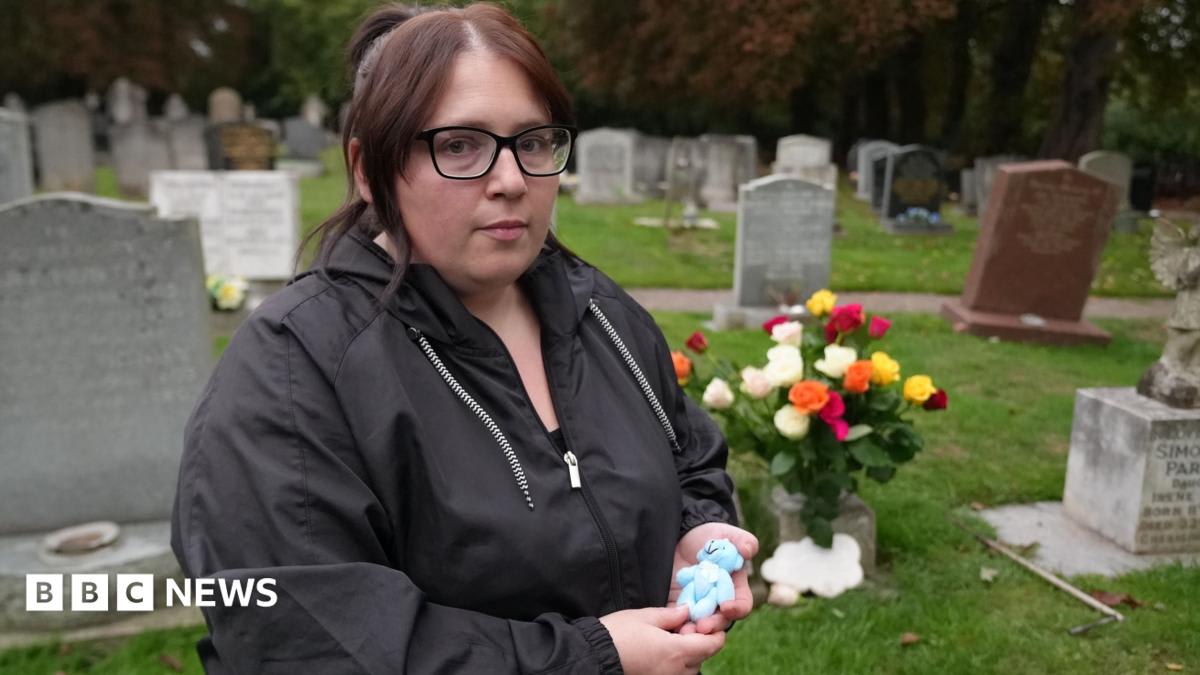
Robert Bush, the central figure in the Hull funeral scandal, has issued an open letter of apology from prison. The letter admits to professional failures and acknowledges the profound distress caused to families who entrusted him with their loved ones.
The Hull Funeral Scandal: An Analysis of Accountability
A Breach of Public Trust
The recent open letter issued by Robert Bush from prison marks a significant, albeit controversial, development in the ongoing Hull funeral scandal. By addressing the families who entrusted him with the care of their deceased, Bush attempts to confront the fallout of his professional misconduct. For many families, this correspondence serves as a stark reminder of the betrayal experienced during their most vulnerable moments, highlighting the immense weight of the responsibility funeral directors hold in society.
The Anatomy of the Apology
In his letter, Bush explicitly acknowledges that his actions caused 'distress, upset, and uncertainty.' By stating, 'I accept responsibility for my failures,' he moves beyond mere regret into an admission of negligence. However, the timing and medium of this apology—sent from behind bars—have sparked anger among the affected families. The disconnect between the gravity of the offenses and a written letter often complicates the grieving process, as families seek closure that a document alone cannot provide.
Impact on the Funeral Industry
This scandal has broader implications for the regulation and oversight of the funeral industry. When a practitioner fails to uphold basic ethical and professional standards, it erodes the implicit trust that families place in death care services. The Hull case serves as a cautionary tale regarding the necessity of rigorous checks and balances to ensure that the dignity of the deceased is protected, regardless of the business environment.
The Psychological Toll on Families
Beyond the logistical failures, the scandal has deeply scarred the memories of those who lost loved ones. Bush’s admission that he has affected the 'memories surrounding the loss of those closest to you' touches on the profound psychological harm inflicted by his actions. The uncertainty regarding the treatment of remains has forced families to relive their trauma, turning what should have been a period of mourning into a long-standing quest for justice and accountability.
Looking Toward Future Oversight
As the legal proceedings continue, this incident will likely prompt a re-evaluation of how funeral homes are monitored. The public outcry suggests that families are no longer willing to accept the industry’s self-regulation as sufficient. Future trends in the sector will likely focus on increased transparency, mandatory third-party inspections, and stricter licensing requirements to prevent similar betrayals of trust in the future.
Conclusion
While Robert Bush’s apology is a formal acknowledgment of his wrongdoing, its reception underscores the deep-seated anger of a community betrayed. The Hull funeral scandal remains a poignant example of the catastrophic consequences of professional failure in a role that requires the highest level of human empathy and integrity. Moving forward, the focus must remain on the families affected and the systemic changes required to restore public confidence in funeral services.