Bessent says there may be deal Tuesday or Wednesday to open Strait of Hormuz with 'freedom of movement'
Source Entity
US Top News and Analysis
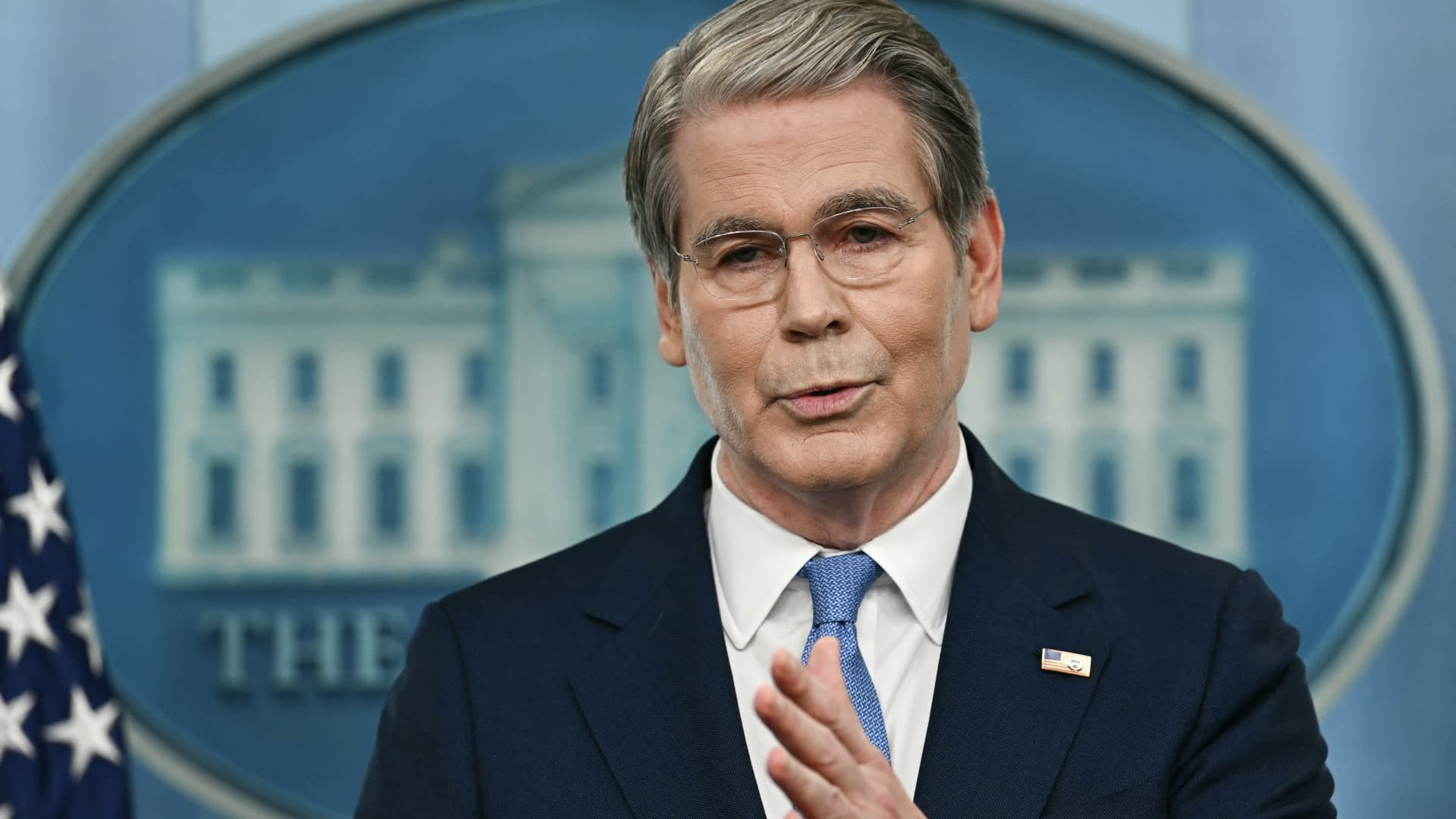
The U.S. and Iran are reportedly nearing a deal to ensure freedom of movement for commercial shipping through the Strait of Hormuz. Following the announcement, global oil prices dropped significantly amid hopes of easing supply chain disruptions.
Diplomatic Breakthrough: Easing Tensions in the Strait of Hormuz
Recent developments indicate a potential diplomatic breakthrough between the United States and Iran regarding the strategic Strait of Hormuz. Treasury Secretary Scott Bessent has indicated that a deal securing "freedom of movement" for commercial shipping could be finalized as early as this week. This development follows a period of heightened geopolitical friction that has significantly impacted global energy markets.
The Economic Impact of Geopolitical Volatility
The uncertainty surrounding the Strait of Hormuz—a vital maritime chokepoint—has been a primary driver of recent oil price volatility. Following the announcement of potential progress in negotiations, Brent crude prices fell by nearly 5%, dropping below $80 per barrel, while U.S. West Texas Intermediate futures saw a decline of approximately 4%. This market reaction underscores the sensitivity of global energy supplies to diplomatic stability in the Middle East, as traders price in the potential for reduced disruption to international oil exports.
Clarifying the Maritime Status
Despite the ongoing negotiations, the U.S. military has maintained a stance of operational readiness. U.S. Central Command recently stated that the "southern route of the Strait of Hormuz remains free and open," noting that the military has successfully assisted over 1,000 vessels in transiting the waterway. This southern route, which navigates through Omani territorial waters, serves as a crucial alternative to the corridor closer to the Iranian coastline, providing a buffer against direct interference.
The Challenge of Past Precedents
While the current optimism is palpable, market analysts remain cautious due to the failure of previous diplomatic attempts to de-escalate tensions. The history of the U.S.-Iran conflict in the region has created a "volatile oil market," where the threat of closure often leads to immediate price spikes at fuel pumps globally. The current push for a deal represents an attempt to transition toward a more normalized posture, yet the effectiveness of such an agreement will depend on adherence by all parties involved.
Future Implications for Global Trade
If successful, this deal would represent a significant step toward stabilizing global supply chains. By establishing a clear framework for "freedom of movement" without the imposition of tolls, the U.S. and Iran could mitigate the risks of further military escalation. However, as Treasury Secretary Bessent noted, the situation remains "dicey," and the international community will be closely watching for confirmation that the agreement is not merely a temporary reprieve but a lasting commitment to maritime security.
Conclusion
The potential for a negotiated settlement regarding the Strait of Hormuz offers a glimmer of hope for stabilizing global energy markets. With the U.S. government actively pursuing diplomatic avenues while simultaneously maintaining a strong naval presence, the outcome of these talks will have profound implications for international trade, energy security, and the broader geopolitical landscape of the Middle East.