'Why December? She should come now': Tarique Rahman's aide challenges Hasina
Source Entity
ABHISHEK MISHRA
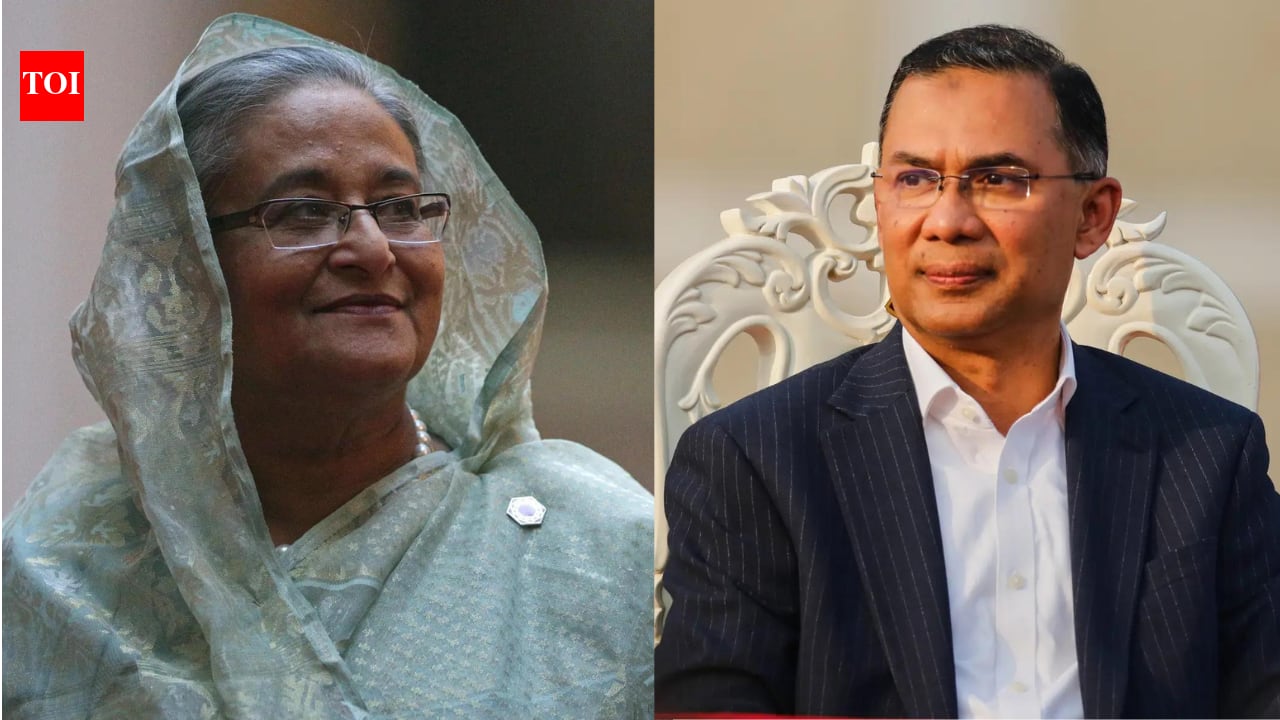
Former Prime Minister Sheikh Hasina has announced plans to return to Bangladesh in December, despite facing potential arrest and charges of genocide. The announcement has triggered a defiant response from the current administration, which challenges her to return immediately.
The Impending Return: Sheikh Hasina’s Political Gambit
Former Bangladeshi Prime Minister Sheikh Hasina has publicly declared her intention to return to the country this coming December, signaling a dramatic shift in the post-uprising political landscape. Despite the significant legal risks she faces, including the threat of immediate incarceration, Hasina has framed her potential homecoming as a mission to restore the nation’s democratic institutions. This declaration serves as a direct challenge to the current interim administration, which has labeled her an 'absconding convicted genocider' for her role during the recent period of unrest.
The July Uprising and Allegations of Foreign Interference
At the heart of Hasina’s rhetoric is her characterization of the recent 'July Uprising' as a calculated regime change operation. By alleging that a 'mastermind' orchestrated the events that led to her departure, Hasina is attempting to shift the narrative from a domestic democratic movement to one of external manipulation. This strategy seeks to delegitimize the current government’s authority by framing the transition as an illegitimate power grab rather than a popular revolt, thereby appealing to her remaining base of supporters.
A Clash of Timelines and Credibility
The announcement of a December return has been met with skepticism and provocation from the current leadership. An aide to Tarique Rahman has publicly challenged the timeline, asking why the former Prime Minister would delay her return until December if she is truly committed to the nation’s cause. This challenge functions as a tactical maneuver to portray Hasina as hesitant or disconnected, effectively daring her to face the legal consequences of her administration’s actions in the present moment rather than at a date of her choosing.
The Legal and Democratic Stakes
The legal jeopardy surrounding Hasina is profound. With the current government labeling her a convicted genocider, her return would almost certainly trigger intense legal proceedings. The discourse surrounding her return highlights the fragility of Bangladesh’s current democratic transition. While Hasina frames her return as a necessity for the 'people’s struggle for democracy,' the current administration views her presence as a threat to the stability of the institutions they are attempting to rebuild.
Geopolitical Implications and Future Trends
As the international community watches these developments, the rhetoric from both sides suggests a deepening polarization in Bangladeshi politics. Hasina’s appeal for international support for her vision of democracy underscores the importance of global perception in this conflict. Moving forward, the tension between her planned return and the government’s insistence on accountability will likely define the political climate in Dhaka, potentially leading to increased scrutiny of the nation’s human rights record and the integrity of its future electoral processes.
Conclusion
The standoff between Sheikh Hasina and the current leadership represents a critical juncture for Bangladesh. Whether her return in December becomes a catalyst for political reconciliation or a spark for further instability remains to be seen. As both parties continue to trade accusations, the core issue remains the restoration of democratic stability, which both sides claim to champion, albeit through diametrically opposed narratives.