US to reject incomplete visa, green card applications under new rules
Source Entity
AYUSH PANDEY
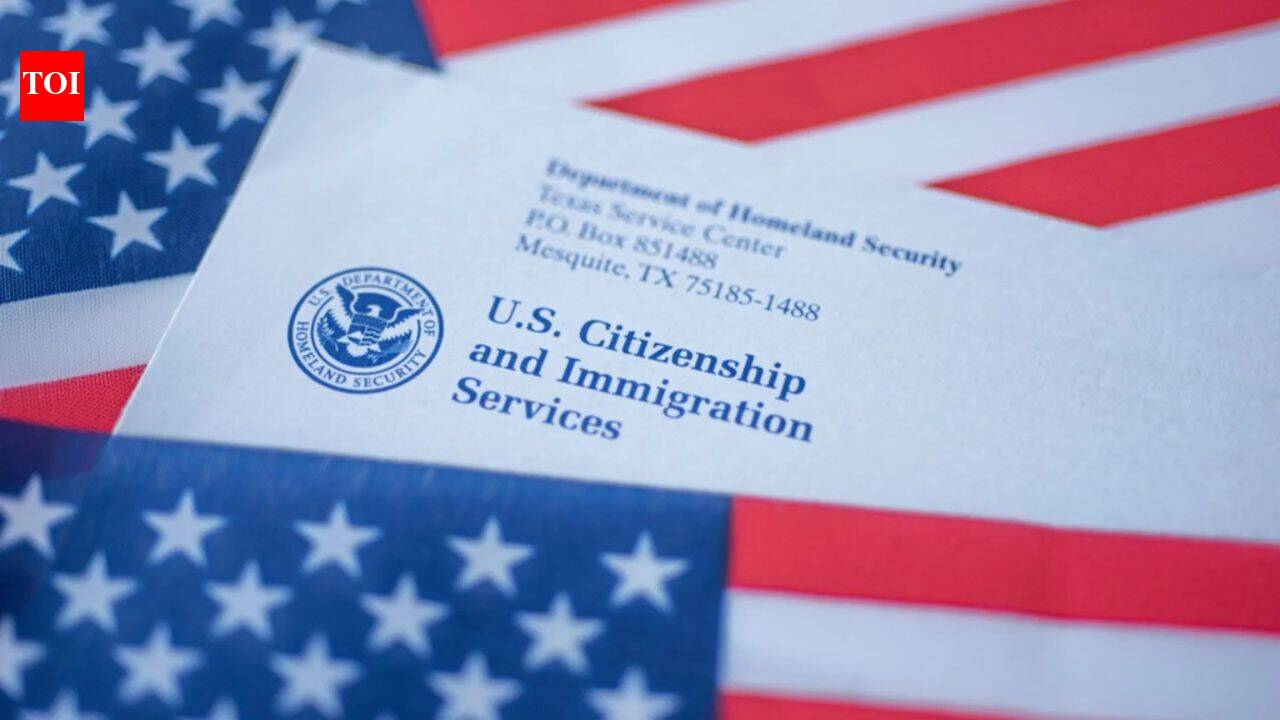
The US has implemented stricter immigration rules allowing USCIS to deny incomplete visa and green card applications immediately. This shift removes the requirement for officers to first request missing evidence, directly impacting global applicants.
Stricter Standards: A New Era for US Immigration Processing
The United States Citizenship and Immigration Services (USCIS) has officially tightened its immigration benefit processing protocols, marking a significant shift in how visa, green card, and citizenship applications are handled. Under the new policy, immigration officers are now empowered to deny applications that are incomplete or fail to establish eligibility at the time of filing, without the prior obligation to issue a Request for Evidence (RFE).
Implications of Immediate Denial
Previously, the system often acted with a degree of leniency, allowing applicants the opportunity to rectify mistakes or provide missing documentation after an initial filing. This new directive fundamentally alters that dynamic by prioritizing administrative efficiency over applicant correction. By allowing officers to reject requests submitted without the required initial supporting evidence, the agency aims to streamline its massive backlog, though it places a much higher burden of accuracy on the applicant from day one.
Impact on Global and Indian Applicants
This policy change carries profound implications for thousands of international applicants, particularly those from India who represent a large demographic of individuals seeking to study, work, or settle in the US. Given the complexity of American immigration law, even minor omissions in a filing can now result in a summary denial. This necessitates a significantly higher level of scrutiny and professional legal oversight for anyone submitting applications for immigration benefits.
The Role of Discretionary RFEs
While the agency retains the ability to issue an RFE where they determine additional documentation is appropriate, the threshold for this intervention is now entirely at the officer's discretion. This move away from a standardized, remedial approach suggests that the agency is moving toward a 'get it right the first time' policy. Applicants can no longer rely on the expectation that they will be given a second chance to cure deficiencies in their initial packets.
Future Trends and Administrative Efficiency
Looking ahead, this shift indicates a broader trend toward aggressive administrative enforcement within the US immigration system. By reducing the time officers spend managing incomplete files, the government intends to expedite the processing of complete applications. However, this may lead to a rise in rejected applications, potentially causing delays for legitimate candidates who may have made minor clerical errors. It is clear that the landscape for immigration has become less forgiving, requiring applicants to ensure total compliance with documentation requirements from the moment of submission.