Ukraine’s military hits one of Russia’s biggest oil refineries in long-range drone attack
Source Entity
US Top News and Analysis
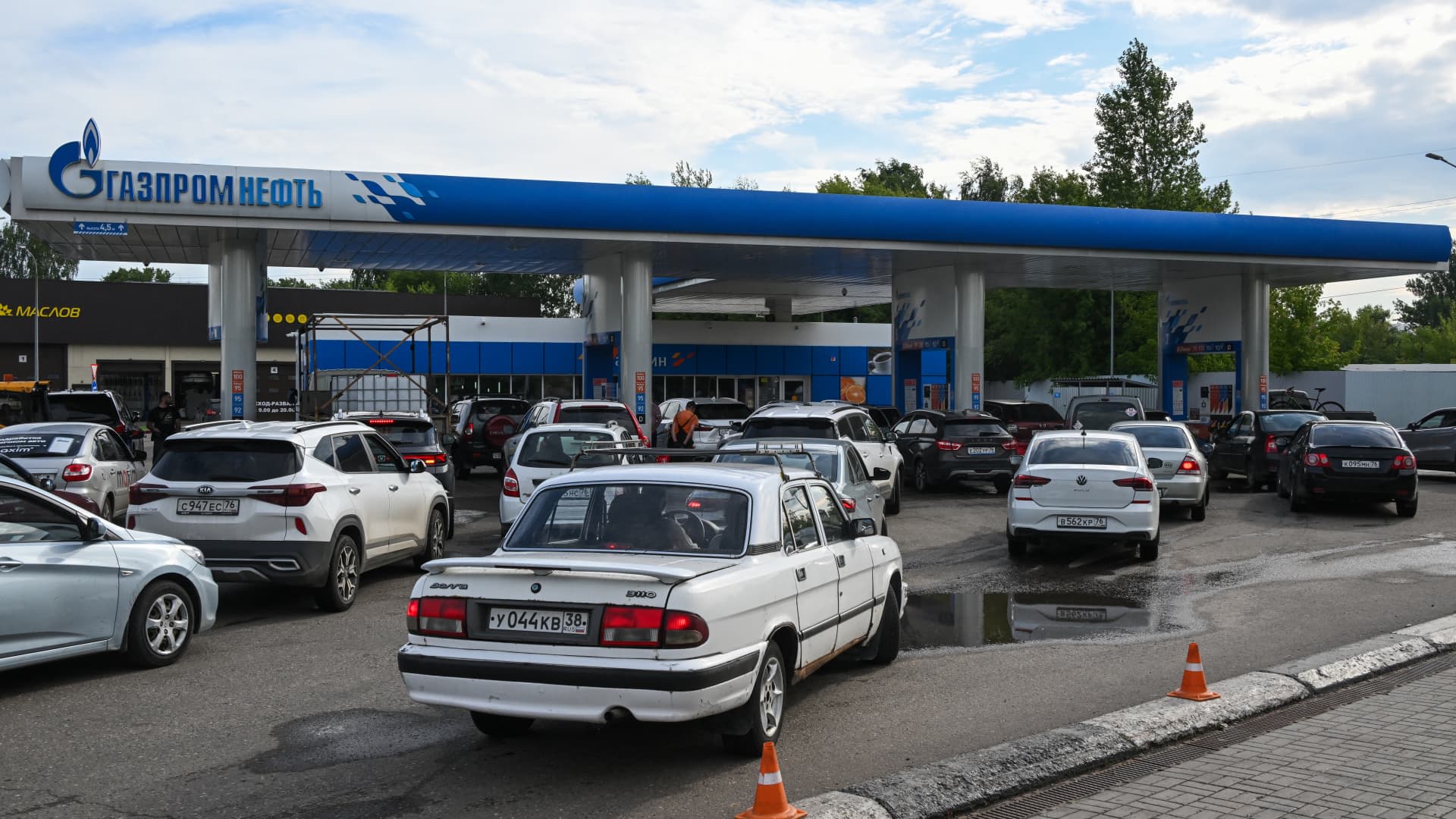
Ukraine has conducted long-range drone strikes on two major Russian oil refineries, the Slavneft-Yanos and Bashneft-Novoil facilities. These attacks have disrupted domestic fuel supplies, prompting Russia to implement strict petrol sales restrictions.
Strategic Escalation in the Energy War
Ukraine has significantly expanded its tactical reach, successfully conducting long-range drone strikes against two major Russian oil refineries: the Slavneft-Yanos facility in Yaroslavl and the Bashneft-Novoil refinery in Bashkortostan. These facilities are located hundreds of miles from the Ukrainian border, marking a sophisticated evolution in Kyiv’s military capabilities. By targeting critical energy infrastructure deep within Russian territory, Ukraine is moving beyond frontline skirmishes to systematically disrupt the economic engine that fuels Russia’s war efforts.
Impact on Domestic Fuel Markets
The immediate consequence of these strikes has been a tangible tightening of the domestic Russian fuel market. Reports indicate that citizens are facing difficulties at the pump, with long queues forming at petrol stations like Gazpromneft in Yaroslavl. In response to the supply crimp caused by these strikes, the Russian government has been forced to implement a series of restrictive measures on petrol sales across the country. This highlights the vulnerability of centralized energy infrastructure to precision long-range drone warfare.
The Role of Long-Range Capabilities
President Volodymyr Zelenskyy has framed these actions as a necessary component of Ukraine’s broader strategy to diminish Russia’s oil revenues. The deployment of drones over such vast distances indicates a significant advancement in Ukraine’s indigenous military technology and target acquisition capabilities. Despite Russia’s claim of shooting down 605 drones during these operations, the fact that these specific refineries were successfully struck underscores the difficulty Russia faces in defending its vast industrial landscape against asymmetric aerial threats.
Economic Implications for Moscow
Russia remains one of the world’s largest oil producers, and its economy is heavily reliant on the refining and export of petroleum products. By striking refineries, Ukraine is not only affecting the front lines but is also targeting the state's fiscal solvency. Every refinery rendered inoperable or slowed creates a cascade effect, reducing the export volume of refined products and increasing the cost of domestic logistics, which in turn places inflationary pressure on the Russian economy.
Future Trends in Asymmetric Warfare
Moving forward, it is highly probable that Ukraine will continue to prioritize energy infrastructure as a primary target in its long-range campaign. This strategy forces Russia to make a difficult choice: either divert massive amounts of air defense assets from the front lines to protect internal industrial sites, or accept continued degradation of its refining capacity. As the conflict persists, the reliance on long-range drone warfare is likely to become a defining feature of this phase of the war, testing the resilience of Russia's internal infrastructure against a persistent and innovative adversary.