LPG Tanker With 28 Indian Crew Members Attacked In Iranian Waters, All Safe
Source Entity
NDTV News Search Records Found 1000
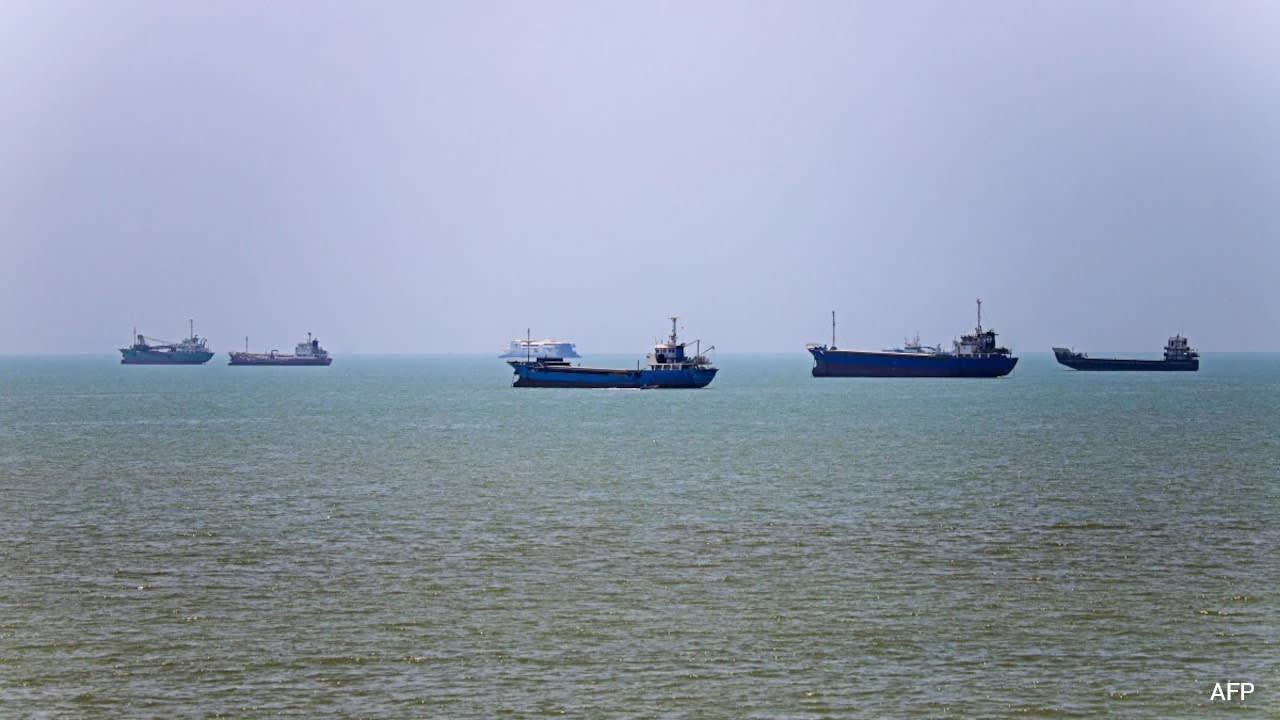
India has strongly condemned the deadly attack on the MV Omorfi in the Black Sea, which resulted in the death of an Indian seafarer. While Russia claims the vessel was transporting military supplies, India maintains the cargo was grain and has lodged a formal diplomatic protest.
The Black Sea Crisis: India Demands Accountability
The recent attack on the Marshall Islands-flagged bulk carrier MV Omorfi in the Black Sea has ignited a significant diplomatic rift between New Delhi and Moscow. On July 18, the vessel, which carried a crew of ten including three Indian nationals, was struck while transiting waters claimed by Russia. The incident resulted in the tragic death of an Indian seafarer, prompting immediate and stern condemnation from the Indian government regarding the safety of maritime navigation.
Conflicting Narratives and Diplomatic Tensions
The situation escalated rapidly as the Kremlin attempted to justify the strike by alleging that the MV Omorfi was transporting military supplies intended for Ukraine. India has categorically rejected these assertions, maintaining that the vessel was carrying grain. This discrepancy highlights the volatile nature of the Black Sea as a theater of war, where commercial shipping lanes are increasingly blurred with military objectives, putting merchant mariners—who are neutral parties—directly in the crosshairs of ongoing combat operations.
India's Diplomatic Escalation
In response to the loss of life, the Indian Ministry of External Affairs has taken decisive steps to signal its displeasure to the Russian Federation. External Affairs Minister S. Jaishankar has raised the issue directly with his Russian counterpart, Sergey Lavrov, emphasizing the unacceptable nature of targeting civilian vessels. Furthermore, Delhi took the rare step of summoning a senior Russian diplomat to formally lodge a protest, underscoring the gravity with which India views the safety of its citizens serving in the global merchant marine.
The Broader Security Context
The Black Sea has become one of the most perilous regions for global trade, with Russia’s stated policy of targeting any vessel it deems suspicious of carrying military aid. This strategy inherently threatens the uninterrupted flow of global commerce and violates international maritime obligations that protect non-combatant ships. The attack on the MV Omorfi is not an isolated event but a symptom of the wider breakdown in regional maritime security protocols since the onset of the Russia-Ukraine conflict.
Regional Instability and Future Risks
Adding to the complexity of maritime security for Indian sailors is the recent report of an attack on an LPG tanker, DISHA, in Iranian waters. While all crew members were reported safe in that instance, the back-to-back security incidents involving Indian-crewed vessels highlight a growing trend of vulnerability for merchant sailors in conflict-prone zones. As these regions remain unstable, the international community faces increasing pressure to establish safe corridors that prioritize the lives of civilian mariners over the strategic maneuvering of warring nations.
Conclusion
The death of an Indian national aboard the MV Omorfi serves as a grim reminder of the high human cost of the conflict in Eastern Europe. India’s proactive diplomatic response reflects a commitment to protecting its citizens abroad while asserting the necessity of maintaining international law at sea. Moving forward, the efficacy of these protests will depend on Russia's willingness to distinguish between commercial grain transit and military logistics, a distinction that remains critical to preventing further loss of life.
Multiple Citing Sources
Verification Required?