Indian seafarer killed after ship attacked in Black Sea; MEA condemns incident
Source Entity
TOI NEWS DESK
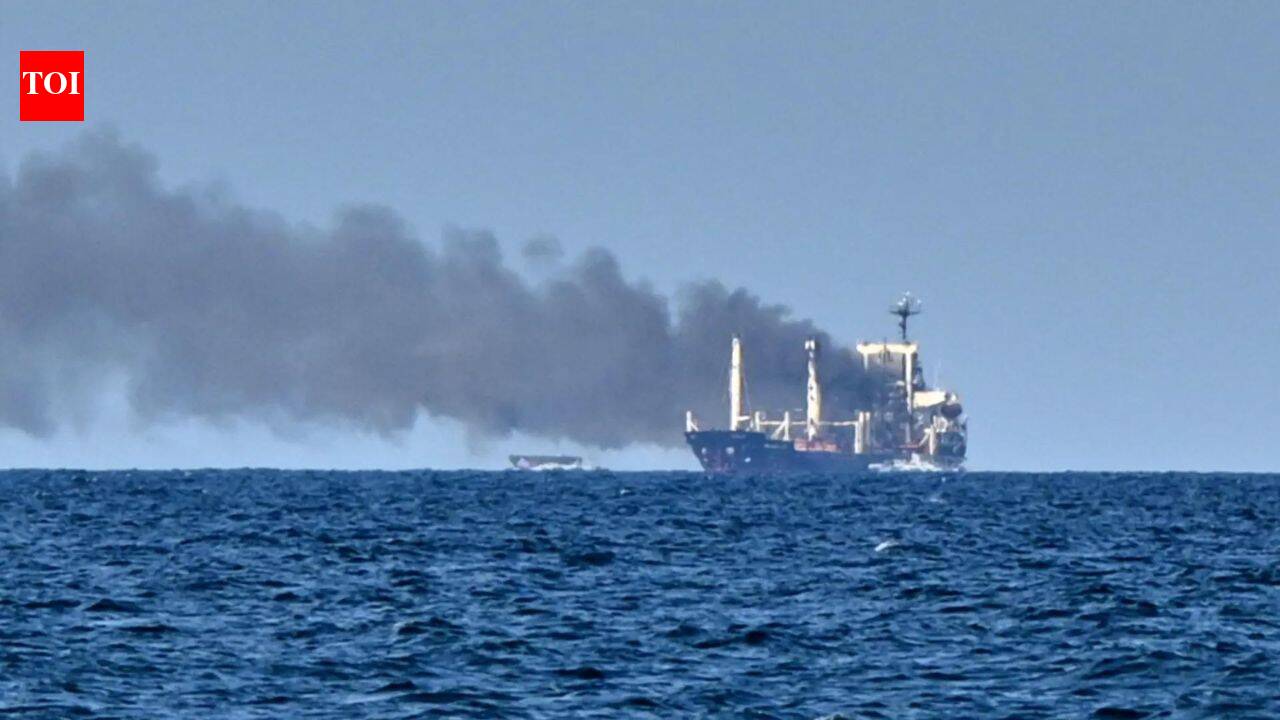
India has strongly condemned the fatal attack on the merchant vessel MV Omorfi in the Black Sea, which resulted in the death of an Indian seafarer. While Russia alleged the vessel carried military supplies, India maintains the ship was transporting grain and has officially protested the incident.
India Condemns Fatal Attack on MV Omorfi in the Black Sea
The Incident
On July 18, the Marshall Islands-flagged bulk carrier MV Omorfi was targeted while transiting the Black Sea, reportedly within Russian territorial waters. The vessel, which carried a crew of 10, including three Indian nationals, became the scene of a tragic loss of life when one Indian seafarer was killed during the strike. The Ministry of External Affairs (MEA) of India has officially condemned the attack, labeling it an unacceptable violation of the safety and security of maritime navigation.
Conflicting Narratives on Cargo
Following the strike, a significant diplomatic rift emerged regarding the nature of the vessel's mission. The Kremlin defended the missile strike, asserting that Russian forces were targeting the ship due to suspicions that it was transporting military supplies intended for Ukraine. In stark contrast, the Indian government has firmly rebutted these claims, stating that the MV Omorfi was engaged in the transport of grain. This discrepancy highlights the volatile environment of the Black Sea region, where commercial shipping lanes have become increasingly precarious.
Diplomatic Repercussions
The severity of the incident prompted immediate diplomatic action from New Delhi. External Affairs Minister S. Jaishankar raised the issue directly with his Russian counterpart, Sergey Lavrov, emphasizing the danger posed to global commercial shipping and the loss of Indian lives. Furthermore, the Indian government summoned a senior Russian diplomat in New Delhi to lodge an official, formal protest, underscoring the gravity with which India views the protection of its citizens serving on international merchant vessels.
Broader Implications for Global Trade
The attack on the MV Omorfi serves as a stark reminder of the broader implications of the ongoing conflict for global supply chains. The Black Sea remains a critical artery for the export of agricultural products, and the targeting of merchant vessels disrupts the uninterrupted flow of commerce. India’s insistence on upholding international obligations regarding maritime safety reflects a broader concern for the resilience of global trade routes that are currently caught in the crossfire of geopolitical hostilities.
Historical Context and Future Trends
Historically, the Black Sea has been a theater of intense naval activity, but the recent escalation involving commercial vessels marks a dangerous evolution in the conflict's scope. As Russia continues its policy of targeting vessels suspected of supporting its adversary, the risk to neutral merchant sailors increases. Future trends suggest that nations with significant seafaring populations, such as India, will likely push for stronger international protections and clearer protocols for commercial transit in conflict zones to prevent further loss of life.
Conclusion
In summary, the tragic death of an Indian seafarer aboard the MV Omorfi has forced a confrontation between New Delhi’s commitment to protecting its citizens and the harsh realities of the conflict in the Black Sea. By demanding accountability and reiterating the necessity of safe navigation, India is asserting its role as a stakeholder in global maritime security. The incident remains a focal point of diplomatic tension, illustrating the high cost of regional conflicts on the global maritime economy.
Multiple Citing Sources