Commercial vessel attacked in Black Sea, Indian killed
Source Entity
Shubhajit Roy
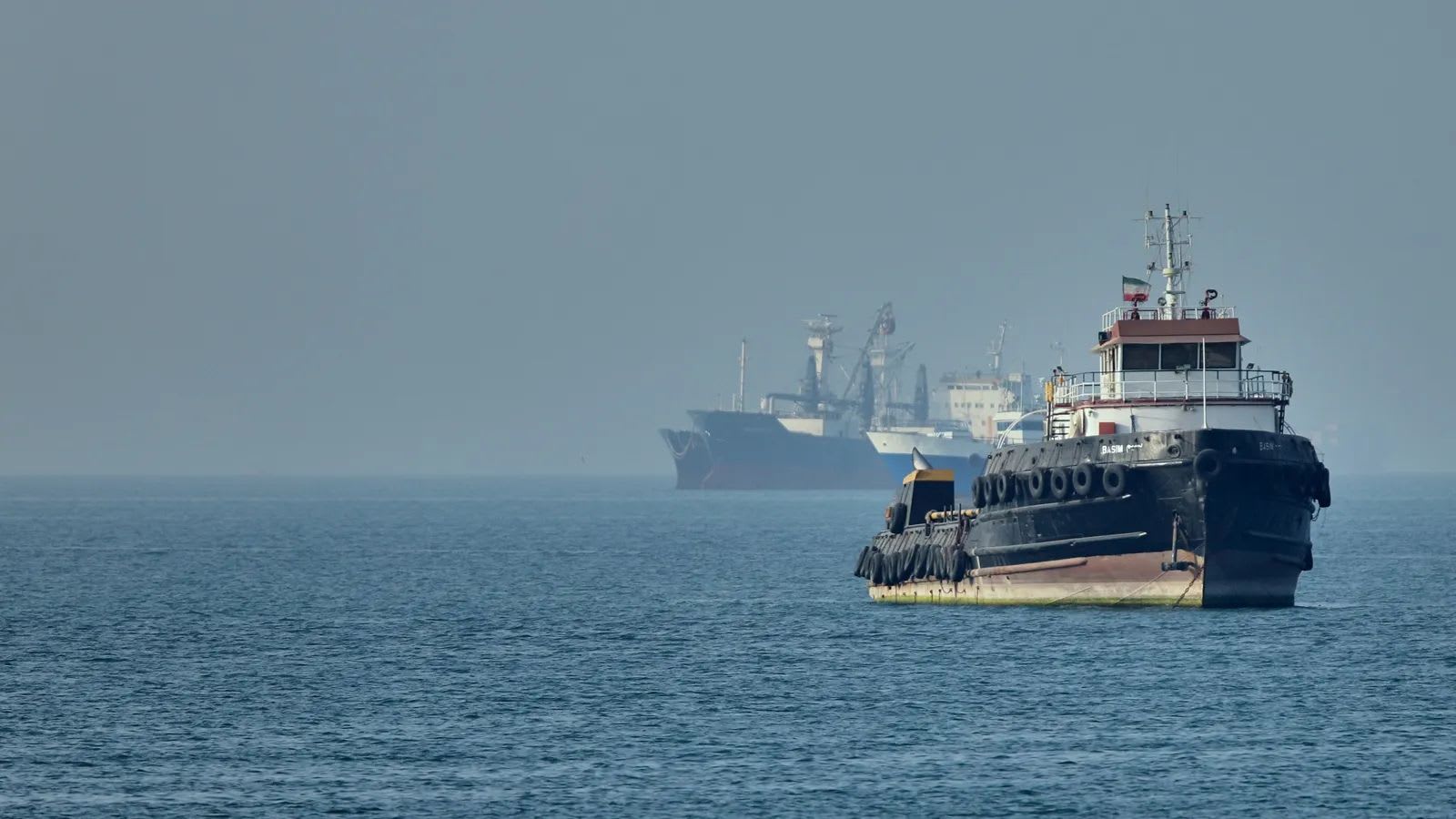
India has strongly condemned the fatal attack on the merchant vessel MV Omorfi in the Black Sea, which resulted in the death of an Indian seafarer. New Delhi has rejected Russian claims that the grain-carrying ship was transporting military supplies and has lodged a formal diplomatic protest.
Tragedy in the Black Sea: India Demands Accountability
On July 18, the commercial bulk carrier MV Omorfi, flying the Marshall Islands flag, became the site of a tragic incident while transiting the Black Sea. The vessel, which carried a crew of ten—including three Indian nationals—was struck in an attack that occurred within reported Russian territorial waters. This incident resulted in the unfortunate death of one Indian crew member, sparking an immediate and stern diplomatic response from New Delhi.
Diplomatic Escalation and Official Response
The Indian Ministry of External Affairs (MEA) issued a formal condemnation of the attack, characterizing the targeting of commercial shipping as "unacceptable." In a significant diplomatic maneuver, the Indian government summoned a senior Russian diplomat in New Delhi to lodge an official protest. Furthermore, External Affairs Minister S. Jaishankar raised the gravity of the situation directly with his Russian counterpart, Sergey Lavrov, emphasizing the vulnerability of merchant sailors in conflict zones.
Disputed Narratives: Grain vs. Military Supplies
The incident has highlighted a dangerous disconnect between Moscow’s military operations and international maritime safety. While the Kremlin has justified the missile strike by alleging that the vessel was transporting military supplies for Ukraine, the Indian government has categorically refuted these claims. New Delhi maintains that the MV Omorfi was carrying grain, a vital commodity for global food security, rather than contraband or military hardware.
The Broader Implications for Global Maritime Security
This attack underscores the precarious nature of maritime navigation in the Black Sea, a region that remains a critical artery for global trade. By targeting vessels based on unilateral assessments of their cargo, regional powers are increasingly undermining the safety of neutral merchant fleets. India’s insistence on the "uninterrupted flow of global commerce" reflects a broader concern that the weaponization of maritime corridors threatens the economic stability of nations far removed from the immediate theater of war.
Historical Context and Future Trends
The Black Sea has historically been a volatile corridor, but the current conflict has exacerbated risks for commercial mariners significantly. As the conflict persists, shipping companies face the difficult dilemma of balancing profit with the safety of their crews. This incident may force the international community to re-evaluate the protection of neutral merchant vessels, potentially leading to increased demands for monitored humanitarian corridors or stronger enforcement of international maritime law.
Conclusion
The death of the Indian seafarer serves as a grim reminder of the human cost of the ongoing geopolitical instability. As India continues to advocate for the safety of its citizens and the sanctity of international shipping lanes, the incident remains a flashpoint in Indo-Russian relations. The resolution of this diplomatic impasse will likely hinge on the transparency of investigations into the vessel's cargo and the adherence of warring parties to established international obligations.
Multiple Citing Sources