Cargo ship hit in Russian strikes in Black Sea was carrying grain: India
Source Entity
Shubhajit Roy
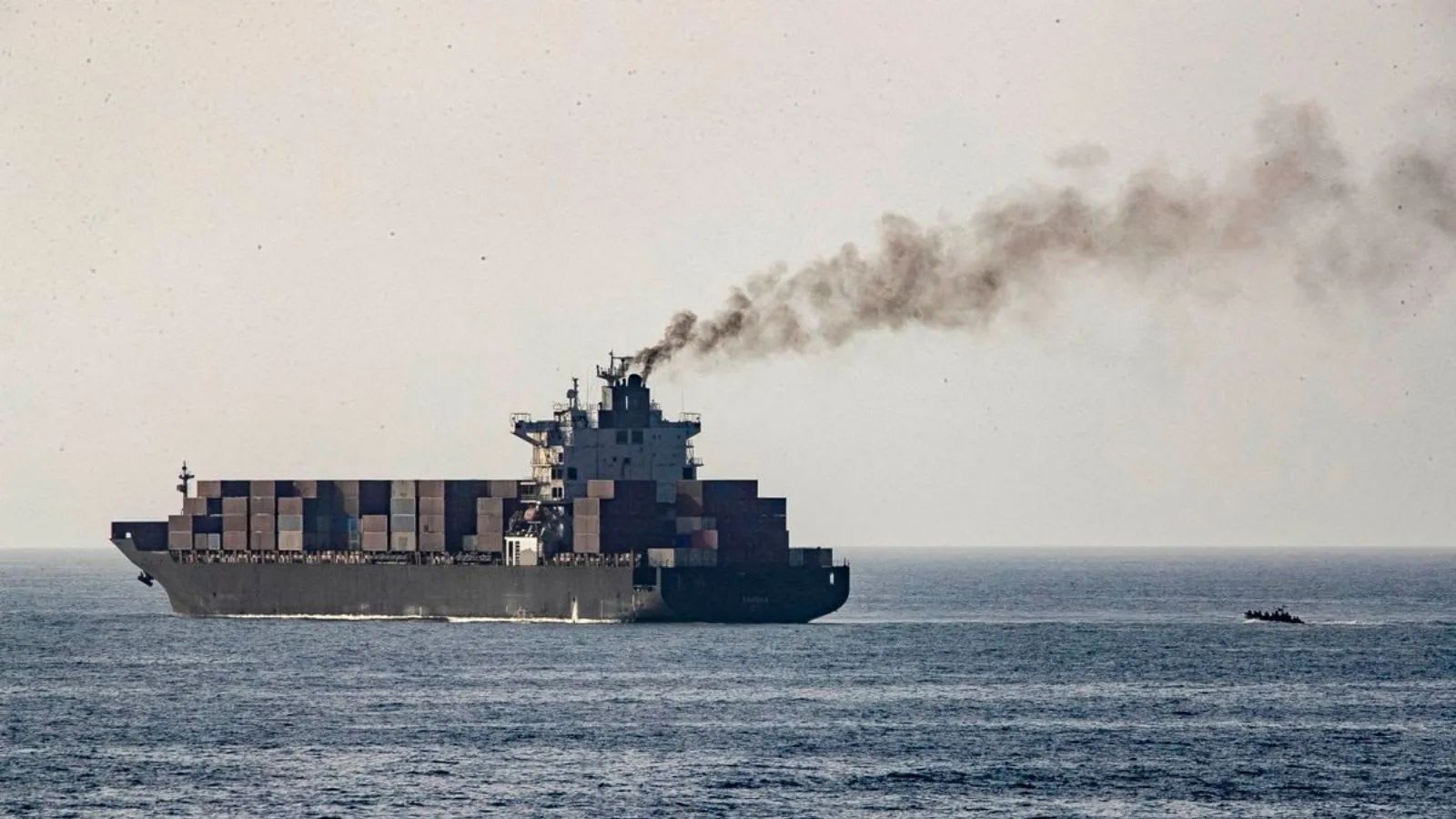
India has strongly condemned a fatal attack on the merchant vessel MV Omorfi in the Black Sea, which resulted in the death of an Indian national. While Russia alleges the ship carried military supplies, India maintains it was transporting grain and has lodged an official protest.
Tensions Escalate in the Black Sea: The MV Omorfi Incident
On July 18, a significant maritime security incident occurred in the Black Sea involving the Marshall Islands-flagged bulk carrier MV Omorfi. The vessel, which carried a crew of ten, including three Indian nationals, was reportedly transiting through Russian territorial waters when it came under attack. The incident resulted in the tragic loss of life of one Indian seafarer, sparking immediate diplomatic friction between New Delhi and Moscow.
Conflicting Narratives and Diplomatic Fallout
The attack has highlighted the volatile nature of maritime navigation in active conflict zones. While the Kremlin has defended the missile strike, asserting that Russian forces are targeting vessels suspected of transporting military supplies to Ukraine, India has countered these claims. External Affairs Minister S. Jaishankar has explicitly stated that the MV Omorfi was carrying grain, not military hardware. This discrepancy has prompted Delhi to summon a senior Russian diplomat to lodge a formal protest, reflecting the gravity with which India views the safety of its citizens serving on global merchant fleets.
Broader Implications for Global Commerce
Beyond the bilateral tension, this event underscores the precarious state of the Black Sea grain corridor and international maritime security. The targeting of merchant vessels, regardless of the stated justification, poses a direct threat to the uninterrupted flow of global commerce. India’s condemnation reinforces the international obligation to protect civilian maritime transit, a principle that remains under significant strain due to the ongoing Russia-Ukraine conflict.
The Human Cost of Maritime Conflict
For the global shipping industry, the death of an Indian seafarer serves as a grim reminder of the risks faced by crews operating in high-threat environments. Indian seafarers form a significant portion of the global maritime workforce, and their safety has become a priority for the Indian government. The diplomatic engagement between Minister Jaishankar and Russian Foreign Minister Sergey Lavrov highlights the urgency of establishing safety guarantees for non-combatant vessels.
Regional Instability: A Multi-Front Challenge
Adding to the complexity of maritime security, reports have also emerged regarding an attack on an LPG tanker, the DISHA, in Iranian waters. While all 28 Indian crew members on the DISHA remain safe, the proximity of these incidents suggests a broader pattern of instability affecting Indian maritime interests across multiple regions. These events collectively underscore the challenges India faces in protecting its diaspora and its economic interests amidst escalating geopolitical rivalries in key maritime chokepoints.
Future Trends and Security Outlook
Moving forward, the international community will likely face increased pressure to implement more robust maritime de-confliction protocols. As India continues to assert its position regarding the neutrality of grain shipments, the ability of diplomatic channels to prevent further loss of life will be tested. Future maritime security trends will likely prioritize enhanced surveillance and clearer communication between warring parties and neutral commercial vessels to prevent further tragic miscalculations in the Black Sea and beyond.
Multiple Citing Sources