70-year-old guest slips in hotel bathroom, Chandigarh consumer panel awards Rs 32,899
Source Entity
Ashish Shaji
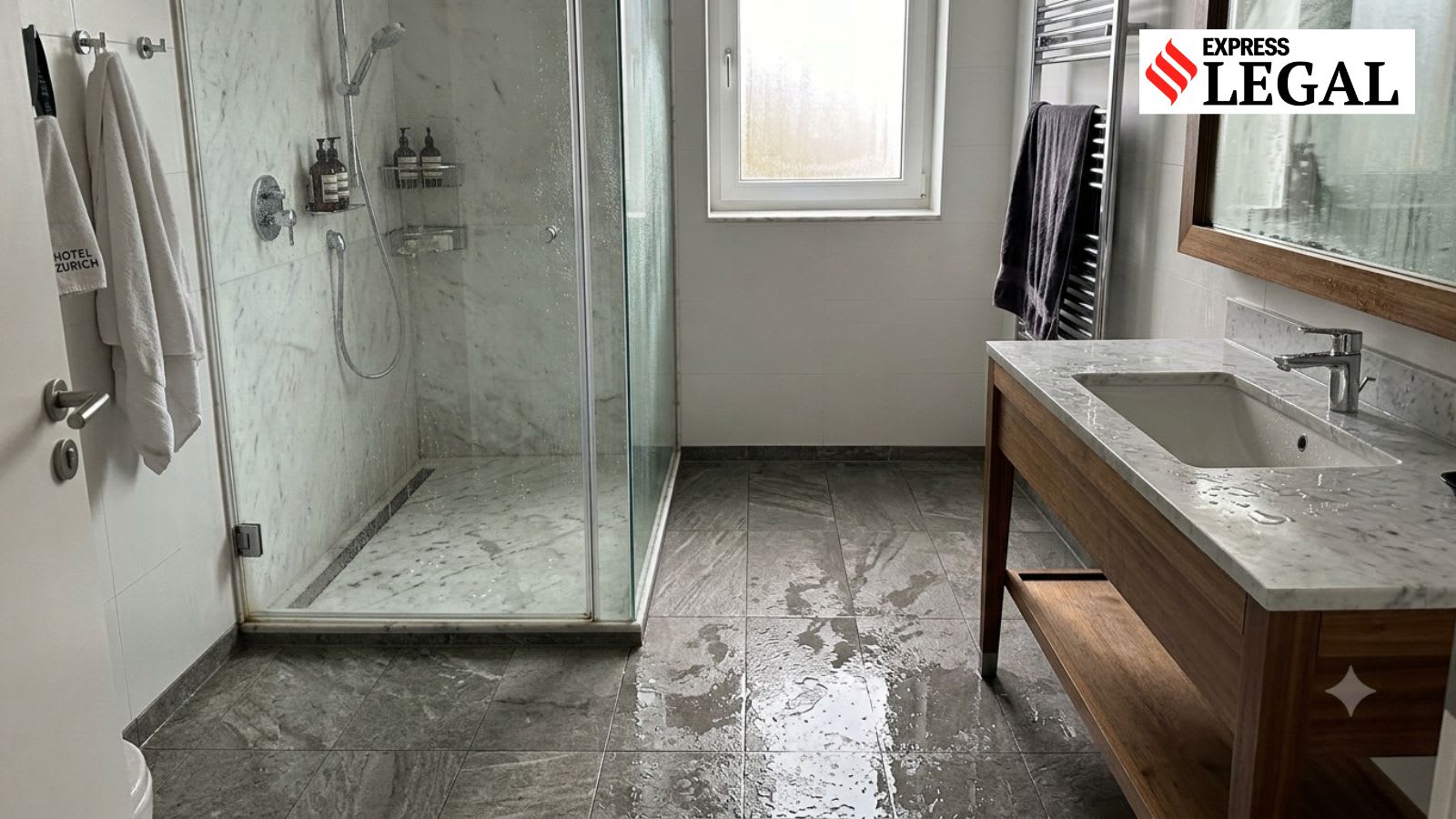
Recent consumer and human rights commissions in India have penalized service providers and the Railways for negligence. These rulings address incidents ranging from hotel safety failures to food poisoning and wrongful passenger eviction.
Accountability in Service: A Trend of Consumer Protection in India
Recent legal and administrative interventions in India highlight a growing trend of holding service providers accountable for negligence and rights violations. From hotel safety standards to railway catering and passenger treatment, commissions are increasingly siding with aggrieved citizens, emphasizing that the burden of safety and professionalism lies squarely with the service provider.
Hotel Negligence and Guest Safety
In Chandigarh, a district consumer commission recently ruled in favor of a 70-year-old guest who suffered injuries after slipping in a hotel bathroom. The commission, led by President Pawanjit Singh and member Brij Mohan Sharma, determined that the hotel failed to maintain a reasonably safe environment. By ordering a compensation of Rs 32,899, the body reinforced the principle that hospitality providers are legally obligated to ensure the physical well-being of their patrons, marking a significant precedent for elderly travelers who are particularly vulnerable to facility-related accidents.
Railway Catering and Public Health
The Indian Railway Catering and Tourism Corporation (IRCTC) has taken a firm stance on service quality following a food poisoning incident on the Mangala Lakshadweep Express. After 25 students fell ill during their journey from Hazrat Nizamuddin to Thrissur, the IRCTC imposed a Rs 5 lakh fine on the food service provider. This incident underscores the critical nature of food safety protocols in mass transit systems, where the health of hundreds of passengers can be compromised by a single point of failure in the supply chain.
Human Rights and Passenger Dignity
Beyond physical safety, institutional accountability has extended to the protection of passenger rights against administrative overreach. The Kerala State Human Rights Commission (SHRC) recently ordered the Railways to pay Rs 2 lakh to a woman who was wrongfully evicted and arrested for alleged ticketless travel despite holding a valid reservation. The SHRC’s decision to allow the recovery of this compensation from the erring officials themselves serves as a deterrent against bureaucratic negligence and harassment, ensuring that public servants remain answerable for their actions.
Broader Implications for Service Standards
These developments signal a shift toward a more litigious and rights-conscious society in India. When regulatory bodies like the SHRC or consumer commissions issue such directives, they compel corporations and government departments to internalize the cost of their failures. This economic pressure is expected to drive better training for railway staff, stricter safety audits for hospitality businesses, and more robust oversight of third-party vendors.
Future Trends in Consumer Advocacy
Looking ahead, it is likely that Indian consumers will continue to leverage these legal frameworks to demand higher standards. As digital documentation becomes easier and public awareness regarding rights increases, service providers will find it increasingly difficult to evade responsibility for lapses. The trend suggests that the era of 'consumer as a passive participant' is ending, replaced by a climate where institutional reputation is inextricably linked to the quality and safety of the service provided.