Dialogue Over Force: Rajasthan Proposes New SOP For Student Protests
Source Entity
NDTV News Search Records Found 1000
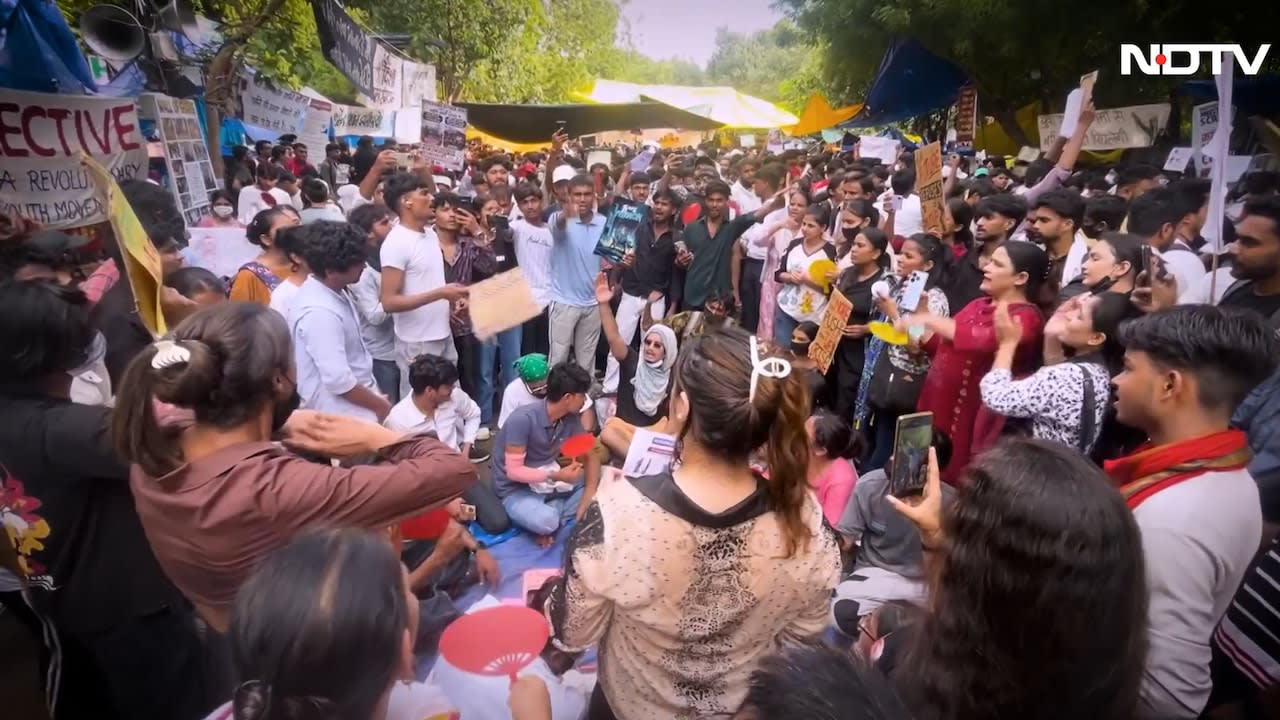
Rajasthan is developing a new Standard Operating Procedure (SOP) to manage student protests through dialogue rather than force. The initiative aims to minimize the filing of criminal cases against students to protect their future prospects.
A Shift in Governance: Rajasthan’s New Approach to Student Protests
Prioritizing Dialogue Over Confrontation
The government of Rajasthan has initiated a significant policy shift by proposing a new Standard Operating Procedure (SOP) specifically designed to govern the handling of student protests. Historically, campus demonstrations and student-led agitations have often been met with traditional law enforcement responses, which frequently involve the use of force or the filing of criminal charges. This new directive signals a strategic pivot toward de-escalation, prioritizing institutional dialogue as the primary mechanism for conflict resolution between student bodies and academic or government authorities.
Mitigating Long-term Impacts on Students
A core component of this proposed SOP is the explicit emphasis on avoiding the registration of criminal cases against protesting students. This is a critical development, as the existence of a criminal record can irrevocably alter a young person’s career trajectory, affecting their ability to secure government employment, obtain security clearances, or pursue international opportunities. By seeking alternatives to criminal litigation, the state is acknowledging that student activism, even when disruptive, should not necessarily be treated as a criminal offense, thereby safeguarding the long-term professional potential of the student population.
The Broader Context of Campus Activism
Student protests in India have long served as a barometer for socio-political sentiment, often acting as a catalyst for broader national debates. However, the friction between administrative order and student expression frequently leads to cycles of litigation that drain both judicial resources and student morale. Rajasthan’s move to codify a less punitive approach reflects a growing recognition that restorative justice models—where issues are resolved through mediated conversation rather than legal punishment—may be more effective in maintaining campus stability.
Balancing Order and Expression
Implementing such an SOP requires a delicate balance. Authorities must ensure that while the right to dissent is protected and criminalization is avoided, the operational integrity of educational institutions remains intact. The success of this policy will likely depend on the transparency of the dialogue process and the willingness of both student leaders and administration officials to engage in good-faith negotiations. If successful, this framework could serve as a model for other Indian states struggling to manage the intersection of academic freedom and civil order.
Future Implications and Trends
Looking ahead, this policy shift suggests a potential trend toward the depoliticization of student discipline. By insulating students from the life-altering consequences of criminal charges, the Rajasthan government is effectively lowering the stakes of campus demonstrations. This could lead to more constructive engagement between the state and the youth. As this SOP moves toward implementation, the focus will shift to how effectively it is applied in high-pressure scenarios, and whether it succeeds in reducing the historical reliance on force as a primary tool of administrative control.
Verification Required?