Amendments to FCRA aimed at bringing in more transparency: India’s US envoy
Source Entity
Shubhajit Roy
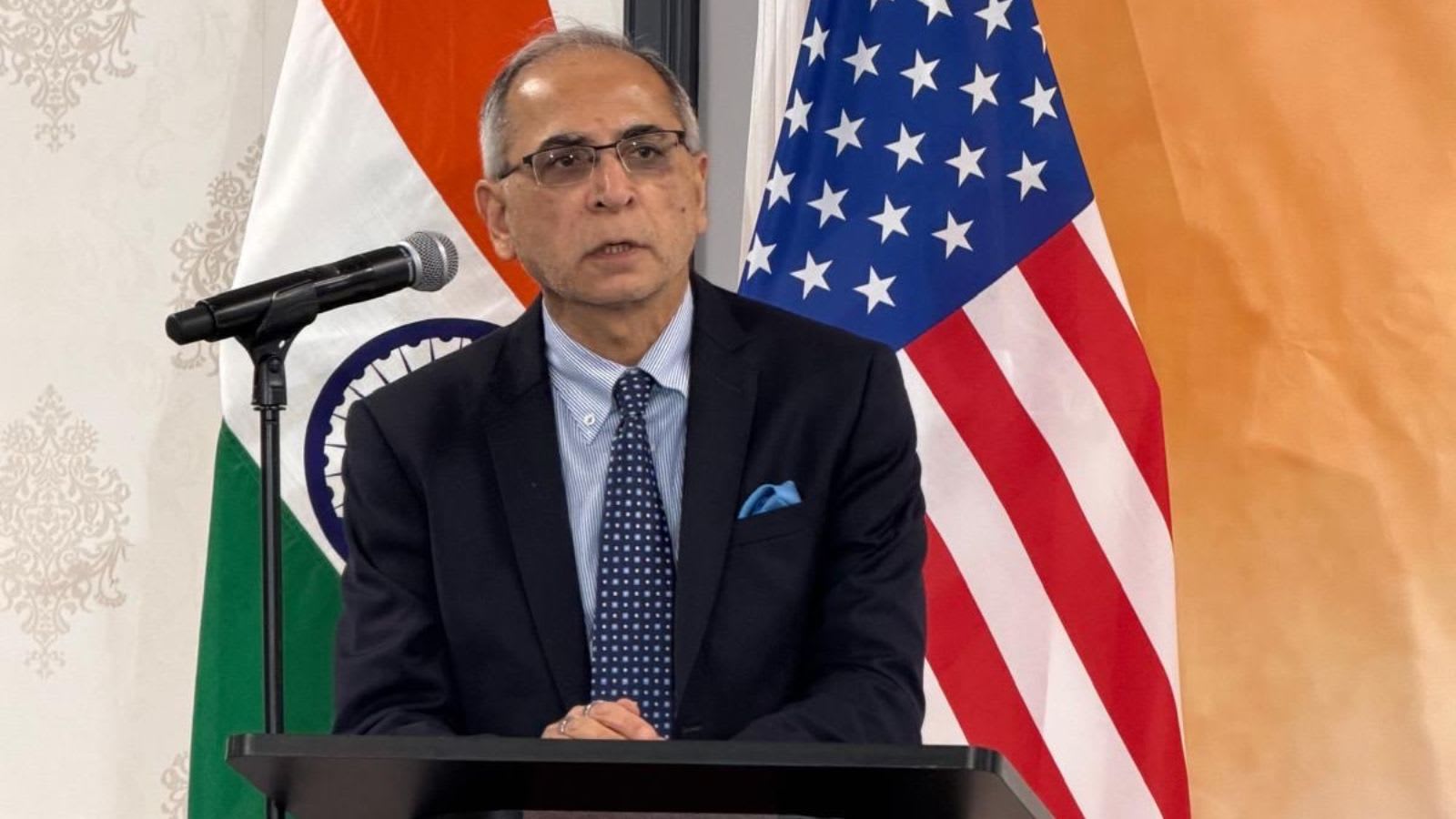
India has defended its recent amendments to the Foreign Contribution (Regulation) Act (FCRA) against U.S. criticism. Ambassador Vinay Mohan Kwatra asserted that these regulations are a sovereign matter aimed at ensuring transparency and national security, drawing parallels to similar laws in the U.S. and other Western nations.
India Defends FCRA Amendments Amid International Scrutiny
Sovereignty and National Security
In a significant diplomatic response, India has firmly rejected criticism from U.S. lawmakers regarding recent amendments to the Foreign Contribution (Regulation) Act (FCRA). The Indian government, represented by Ambassador to the U.S. Vinay Mohan Kwatra, has characterized the regulation of foreign financial inflows as a fundamental exercise of national sovereignty. By framing the issue through the lens of national security, India is signaling that the oversight of foreign funds—which flow into NGOs, civil society, educational institutions, and religious organizations—is a domestic priority that must be managed to ensure transparency and prevent potential subversion of national interests.
Addressing Allegations of Religious Control
The tension stems from concerns raised by U.S. Republican Congressman Riley Moore, who alleged that the FCRA amendments would effectively grant the Indian government excessive control over churches and charitable organizations. Ambassador Kwatra took to social media to directly counter this narrative, clarifying that the legislative changes are not designed to exert control over religious bodies but are instead intended to bring clarity to the financial processes governing foreign donations. This rebuttal highlights a recurring friction point in U.S.-India diplomatic relations: the balancing of civil society advocacy with the administrative requirements of a sovereign state.
Global Precedents for Financial Regulation
To bolster its position, the Indian government has contextualized its legislative actions by comparing the FCRA to established laws in Western democracies. Ambassador Kwatra explicitly cited the U.S. Foreign Agents Registration Act (FARA) of 1938 and the Foreign Account Tax Compliance Act (FATCA) of 2010. By pointing to similar regulatory frameworks in Australia (2018), Canada (2024), and the United Kingdom (2025), India is asserting that its policy is in alignment with global best practices for monitoring foreign financial flows in public and political spaces. This argument serves to neutralize claims of exceptionalism or targeted suppression.
The Role of Transparency in Governance
At the core of the debate is the government’s stated goal of creating a 'laid-down process' for organizations to receive foreign funding. The Indian administration maintains that these amendments are essential to prevent the opaque movement of capital that could potentially be used to influence political outcomes or disrupt internal stability. By enforcing a standardized reporting mechanism, the state aims to ensure that foreign contributions are accounted for and utilized in accordance with the law, thereby mitigating risks associated with unaccounted financial influence.
Future Implications for Civil Society
As India continues to refine its regulatory landscape, the impact on NGOs and religious organizations will likely remain a subject of international monitoring. While the government emphasizes the necessity of these measures for security, critics remain watchful of how the implementation of these rules might affect the operational capacity of civil society. The ongoing dialogue between India and the U.S. underscores the complexity of managing foreign influence in an increasingly interconnected global political environment where national security and democratic freedoms often intersect.
Conclusion
Ultimately, the exchange between the Indian envoy and U.S. lawmakers reflects a broader geopolitical trend where nations are tightening oversight over foreign funding. By drawing direct parallels to Western legal standards, India has sought to solidify the legitimacy of its FCRA amendments, presenting them as a standard administrative evolution rather than an instrument of political or religious control.