Activists question Tamil Nadu Speaker J.C.D. Prabhakar’s participation in ‘pro-life’ rally
Source Entity
India Latest News: Top National Headlines Today & Breaking News | The Hindu
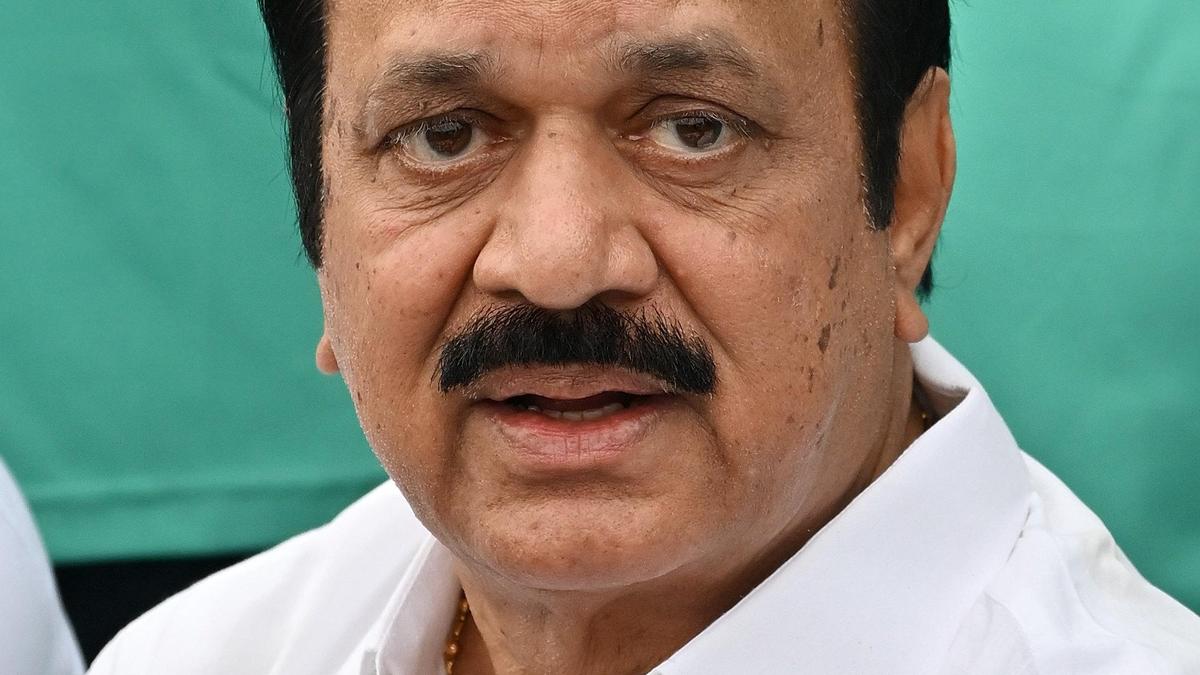
Tamil Nadu Assembly Speaker J.C.D. Prabhakar faces backlash for attending a Catholic-led anti-abortion rally in Chennai. Critics argue his participation compromises his constitutional role and undermines women's reproductive autonomy in India.
Constitutional Boundaries and Reproductive Rights
The recent participation of J.C.D. Prabhakar, the Speaker of the Tamil Nadu Legislative Assembly, in the National March for Life has ignited a significant debate regarding the intersection of religious advocacy and constitutional office. By aligning himself with the Catholic Church's moral theology, which asserts that "life begins at conception," the Speaker has brought the contentious global debate over reproductive rights into the heart of Tamil Nadu’s political discourse.
The Speaker’s Stance and the Pro-Life Movement
Prabhakar, a 73-year-old MLA representing the Tamilaga Vettri Kazhagam (TVK), addressed a crowd of over 5,000 attendees at Stella Maris College. The event, organized by CHARIS India under the Catholic Bishops’ Conference of India, was strategically scheduled to coincide with the anniversary of India’s Medical Termination of Pregnancy (MTP) Act. For the organizers, the rally served as a platform to challenge the legal status quo of abortion in India, utilizing the Speaker's presence to lend institutional weight to their cause.
Activist Backlash and Institutional Precedent
Critics and reproductive rights activists have voiced strong opposition to the Speaker’s involvement. The core of their concern is not merely religious expression, but the implication of a high-ranking state official endorsing a movement that seeks to restrict access to legal medical procedures. Activists argue that when a constitutional authority participates in such a rally, it may signal an erosion of state support for women’s reproductive autonomy and the legal protections afforded by the MTP Act.
The Tension Between Personal Faith and Public Office
This incident highlights a perennial challenge in Indian secular politics: the balance between personal religious convictions and the impartial duties of public office. While Prabhakar represents the Thousand Lights constituency, his role as Speaker requires a level of neutrality that transcends individual ideological affiliations. The controversy suggests that his participation has been perceived by many as an abandonment of that neutrality in favor of a specific, narrow religious agenda.
Broader Implications for Healthcare Policy
The timing of the event—deliberately linked to the enactment of the MTP Act—suggests that anti-abortion groups are increasingly looking to influence legislative frameworks through public mobilization. The backlash underscores a growing societal sensitivity to any perceived threats against established reproductive rights. As political actors continue to engage with religious organizations, the state will likely face increased scrutiny regarding how such alliances impact the implementation of public health policies.
Future Trends in Political Advocacy
As we look forward, this event may serve as a bellwether for future interactions between religious institutions and state politicians in India. If political figures continue to adopt exclusionary moral stances on reproductive health, we may see a hardening of lines between secular advocacy groups and government officials. The long-term impact on the legal accessibility of abortion services in Tamil Nadu remains to be seen, but the debate has undoubtedly set a precedent for heightened vigilance by civil society organizations.
Verification Required?