BJP calls arrest of Kerala Hindutva ideologue T.G. Mohandas discriminatory
Source Entity
India Latest News: Top National Headlines Today & Breaking News | The Hindu
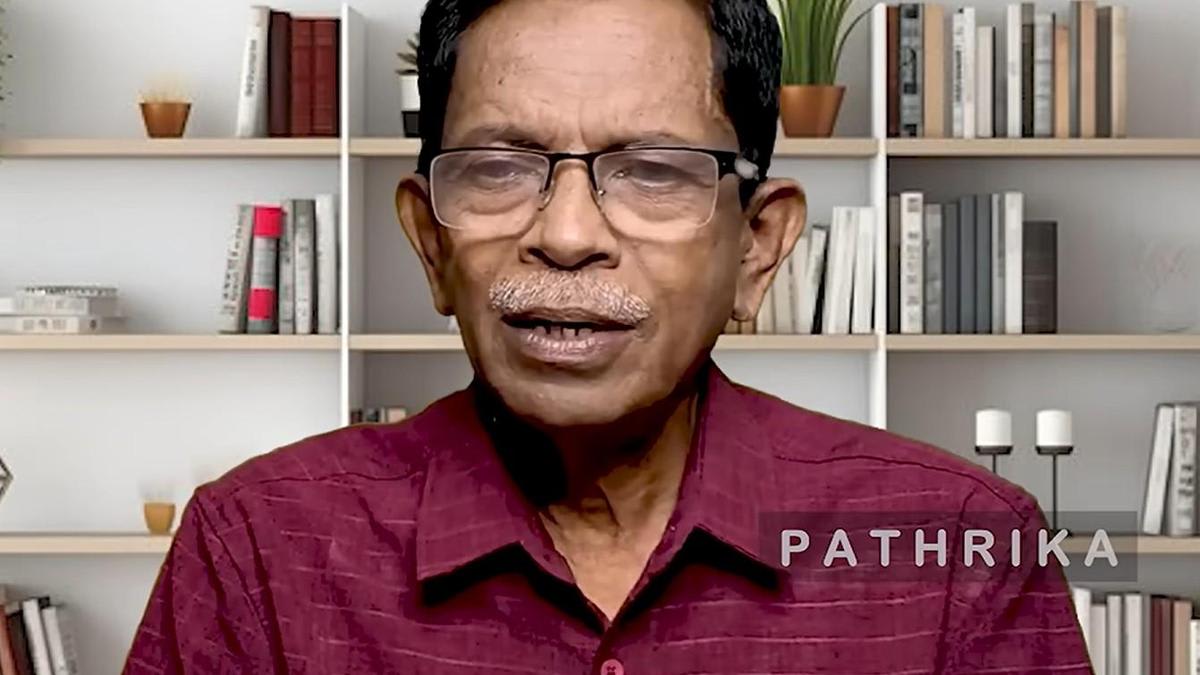
Right-wing ideologue T.G. Mohandas has been taken into custody by Kerala police following inflammatory remarks made regarding the NEET protest. The BJP has condemned the arrest as a politically motivated distraction from the state government's failures in flood relief and coastal management.
The Arrest of T.G. Mohandas: A Political Flashpoint
The recent detention of RSS leader and right-wing commentator T.G. Mohandas by the Thiruvananthapuram Cyber Police has ignited a fierce political debate in Kerala. Mohandas, a prominent voice within the Hindutva ecosystem, was taken into custody following the circulation of a YouTube video on his channel, 'Pathrika.' In this video, he allegedly made inflammatory statements regarding the NEET paper leak protests at Jantar Mantar, suggesting that "rapes and murders will happen." This rhetoric prompted a formal complaint alleging that his comments were designed to incite public fear and disturb communal harmony.
The BJP's Stance on 'Discriminatory' Policing
The Bharatiya Janata Party (BJP) has been swift to denounce the police action, labeling it as "discriminatory." BJP State general secretary S. Suresh argued that the Kerala government is employing a double standard in its enforcement of the law. The party contends that while other individuals who have made explicit threats—including those directed at the Prime Minister—have allegedly enjoyed protection under the United Democratic Front (UDF) government, Mohandas is being singled out for selective prosecution.
Strategic Distraction or Legal Accountability?
A central pillar of the BJP’s critique is the accusation that the arrest is a "drama" orchestrated by the state government. By focusing legal machinery on Mohandas, the party claims the state administration is attempting to divert public scrutiny away from its own administrative failures. Specifically, the BJP has pointed to systemic lapses in the state's flood relief operations and rising discontent among the coastal community as the primary issues that the government seeks to bury under the headlines of this arrest.
The Role of Digital Media and Public Order
This incident highlights the growing tension between the regulation of digital content and the preservation of public order in India. The police investigation, led by the Thiruvananthapuram Cyber Police, underscores the state's increasing reliance on cyber laws to curb speech that is perceived to incite unrest. The case against Mohandas hinges on whether his remarks represent protected political speech or a direct incitement to violence, a threshold that is frequently tested in India's legal and political discourse.
Broader Implications for Kerala Politics
The arrest of a prominent Hindutva ideologue in a state where the BJP is striving to expand its political footprint carries significant weight. It deepens the ideological fault lines between the ruling coalition and the opposition, potentially mobilizing the party’s base around the narrative of victimization. As the investigation into his remarks continues, the incident serves as a microcosm of the broader national struggle over the boundaries of free speech and the accountability of political influencers in an era of rapid digital dissemination.
Conclusion
Ultimately, the detention of T.G. Mohandas represents more than a single legal dispute; it is a manifestation of the intense political rivalry currently defining Kerala. Whether the state's legal actions are viewed as a necessary step to maintain public peace or as a cynical tool of political deflection, the case will likely remain a focal point for debate regarding the intersection of law, governance, and political ideology in the state for the foreseeable future.
Verification Required?