New norms for Driving Licence: Tutorial pass mark may rise to 75%
Source Entity
DIPAK K DASH
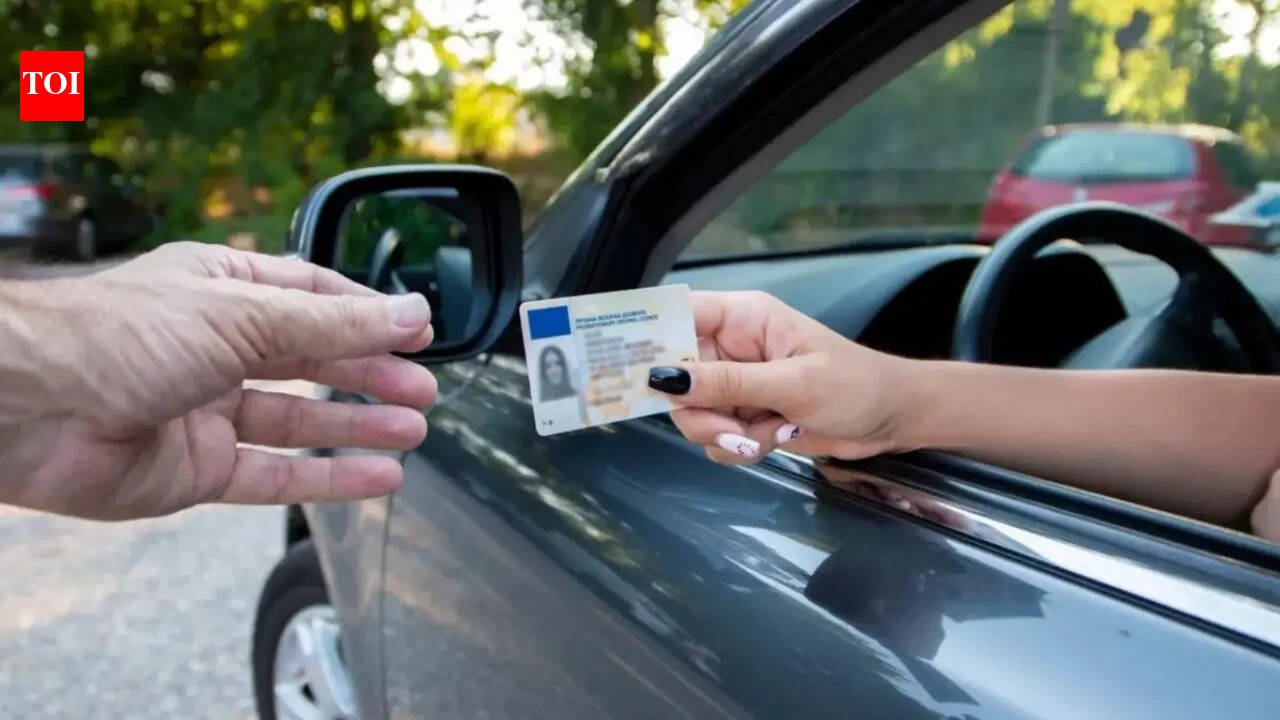
The Indian Road Transport Ministry has proposed tightening driving licence assessment standards by raising the pass mark to 75% and mandating a 30-minute tutorial. These reforms also aim to streamline online services by waiving fees for Aadhaar-authenticated requests and setting strict 15-day processing timelines.
Strengthening Road Safety: New Norms for Driving Licences
Raising the Bar for Competency
The Ministry of Road Transport and Highways has unveiled a series of proposed amendments to India’s driving licence regulations, signaling a strategic shift toward more rigorous driver assessment. Central to these changes is the proposal to increase the qualifying score for the safe-driving tutorial assessment from the current 60% to 75%. By raising this threshold, the government aims to ensure that applicants possess a deeper understanding of road safety protocols, ultimately aiming to reduce human error on the nation's increasingly congested highways.
The Role of Mandatory Education
Beyond the higher pass mark, the draft proposal introduces a mandatory 30-minute duration for the safe-driving tutorial. This requirement addresses a critical gap in current testing procedures, where the focus has historically been on rote memorization rather than comprehensive comprehension. By mandating a minimum time investment, authorities are attempting to ensure that new drivers are not merely rushing through the process but are genuinely engaging with educational content designed to instill safe driving habits.
Digitization and Administrative Efficiency
A significant component of the reform package focuses on the digitization of administrative tasks. The ministry proposes a defined, time-bound procedure for updating driving licence particulars, such as name and address changes. Under these new norms, licensing authorities are required to process these requests within 15 days, and any rejection must be accompanied by explicit, documented reasons. This move is designed to curb bureaucratic delays and enhance transparency in regional transport offices (RTOs).
Incentivizing Digital Adoption
To further streamline services, the government is proposing the waiver of fees for specific driving licence services when accessed through online Aadhaar authentication. By linking these services to the Aadhaar ecosystem, the ministry is reducing the physical burden on RTOs and incentivizing citizens to adopt digital platforms. This integration not only reduces the need for face-to-face interactions but also minimizes the potential for corruption and administrative inefficiency that often plagues manual processing.
Broader Implications for National Infrastructure
These proposals reflect a broader trend in Indian governance: the integration of technology to solve systemic infrastructure challenges. As vehicle density continues to rise, the traditional model of licence issuance is becoming unsustainable. By tightening assessment criteria while simultaneously simplifying the administrative path for compliant users, the ministry is attempting to create a self-regulating system that prioritizes safety without stifling the ease of doing business for the common citizen.
Future Outlook
If implemented, these changes will set a new benchmark for road safety compliance in India. The emphasis on higher test scores and time-bound digital accountability suggests that the government is moving toward a more data-driven and stringent licensing framework. Looking ahead, the success of these reforms will depend on the effective implementation of the online portal and the strict adherence of local licensing authorities to the proposed 15-day processing mandate.