Two years later, PM internship revamp draws more youth, but quality gaps persist
Source Entity
Aanchal Magazine
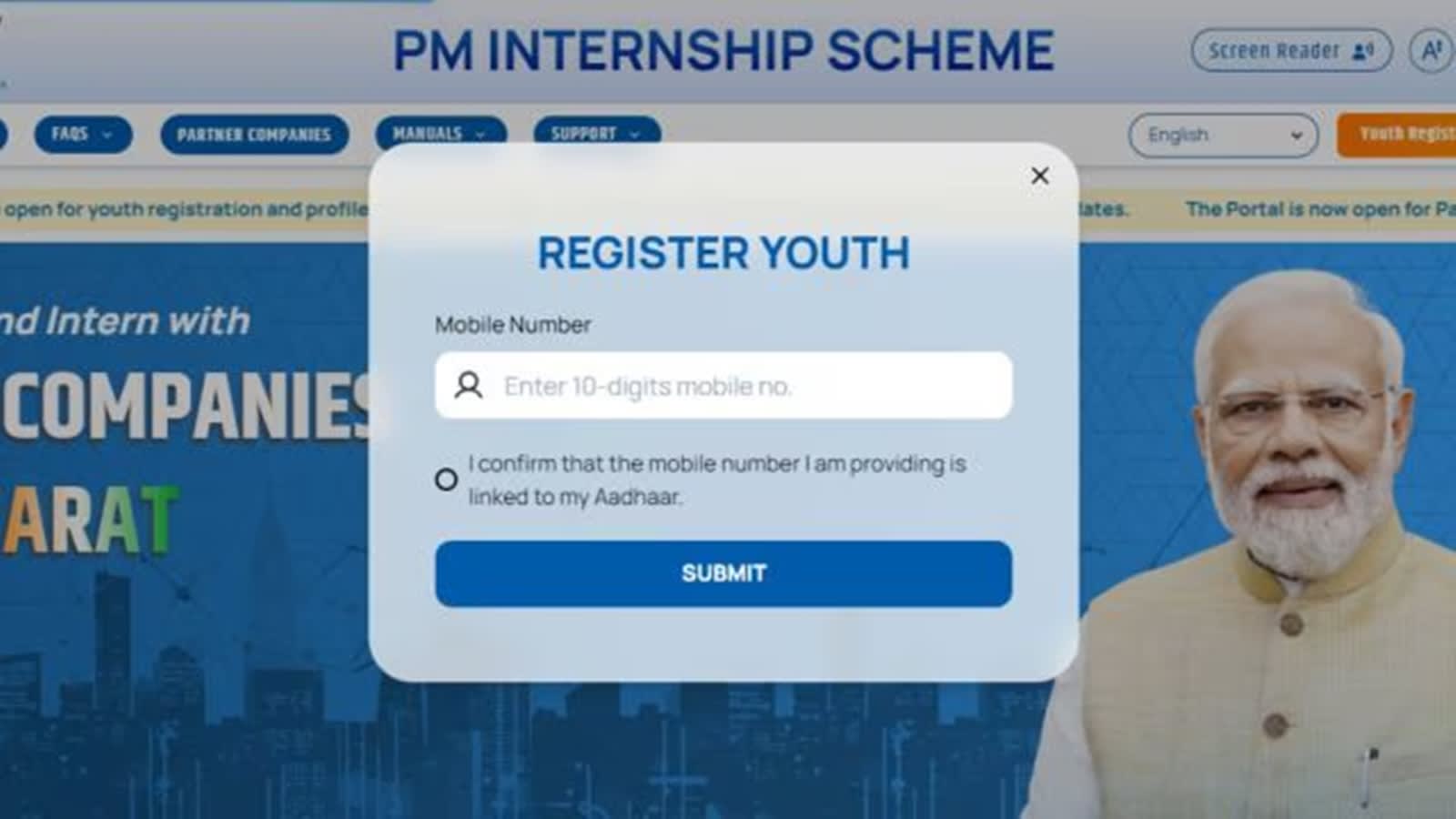
The PM Internship Scheme has successfully integrated some youth into the workforce, but significant disparities in training quality remain. While some interns secure permanent roles, others face menial tasks that fail to provide genuine skill development.
Assessing the PM Internship Scheme: Progress and Perils
The Dual Reality of Skill Development
Two years after its inception, the Prime Minister Internship Scheme (PMIS) presents a complex portrait of India’s vocational landscape. For candidates like Padma, a 23-year-old engineering graduate from Vijayawada, the scheme served as a vital bridge to employment. Her successful transition from an intern to a full-time employee at a top IT firm in 2025 demonstrates the potential of the program when aligned with industry-standard roles. However, this success is not uniform, and the divergence in experiences between participants highlights a significant structural imbalance in the implementation of the initiative.
The Gap Between Expectation and Reality
Conversely, the experiences of interns like Sunil and Mohit reveal a systemic issue regarding the quality of assignments. For Sunil, a diploma holder from Ranchi, the hope for technical skill acquisition was undermined by his placement in a microfinance firm, where he was relegated to loan recovery duties. Similarly, Mohit’s experience with a public sector oil refiner—where his only task was visiting petrol pumps without any structured training—underscores a persistent problem. These cases suggest that some participating companies may be utilizing interns as low-cost labor for routine operations rather than providing the mentorship and technical exposure promised by the scheme.
Structural Implications for Youth Employment
These discrepancies raise critical questions about the oversight mechanisms within the PMIS. When the primary outcome of an internship is either absorption into a high-growth sector or early resignation due to lack of growth, it suggests a 'lottery' element in placement quality. For India’s youth, who are navigating an increasingly competitive job market, the lack of standardized training protocols can lead to disillusionment. If the scheme is to fulfill its mandate of enhancing employability, it must move beyond mere placement numbers and ensure that every internship provides tangible, industry-relevant skill acquisition.
Policy Corrections and Future Trends
To remain effective, the government must likely implement stricter audits of participating firms. The current trend suggests that while the scheme draws significant interest, its long-term viability depends on the 'quality of absorption.' If participants continue to leave midway due to a lack of meaningful tasks, the scheme risks developing a reputation for being a stop-gap measure rather than a career-launching platform. Moving forward, the success of the PMIS will depend on whether policymakers can enforce a curriculum or task-based standard that prevents companies from exploiting interns for menial labor.
Conclusion: A Balancing Act
Ultimately, the PM Internship Scheme is a necessary intervention in a nation with a massive demographic dividend, but it is currently hampered by uneven execution. The success story of Padma confirms the program’s inherent value, but the struggles of Sunil and Mohit act as a cautionary tale. Addressing these quality gaps is essential to transforming the scheme from a broad-based initiative into a robust pipeline for the future workforce of India.