The E20 transition: fuel for debate
Source Entity
India Latest News: Top National Headlines Today & Breaking News | The Hindu
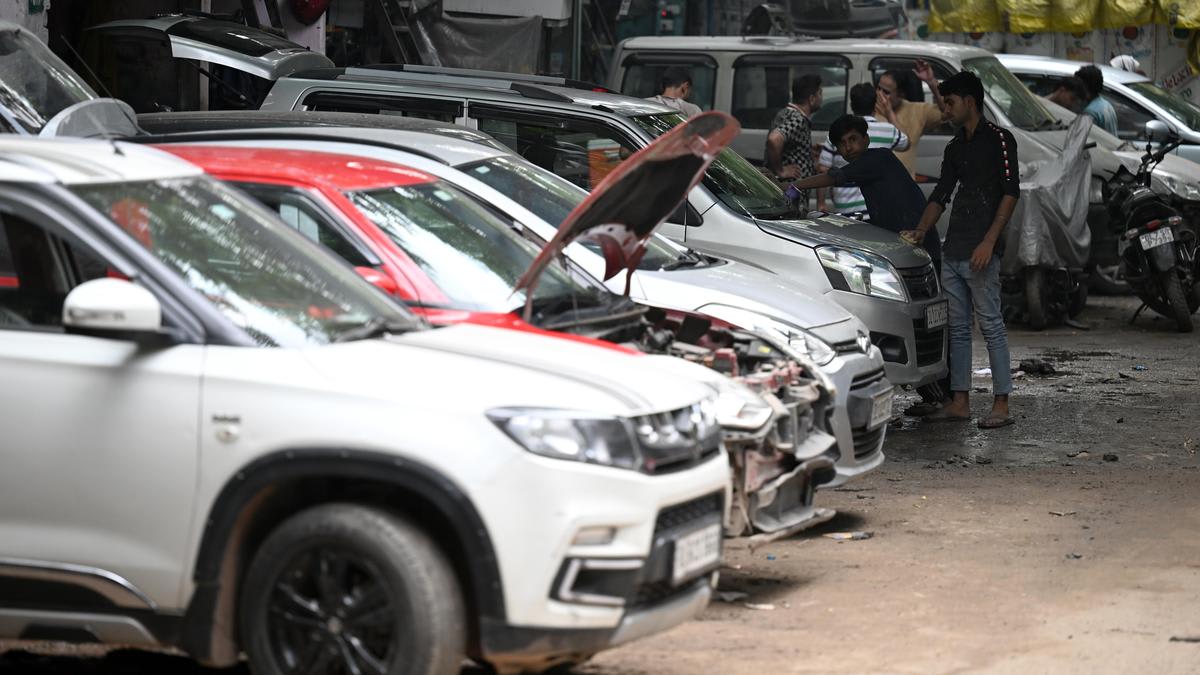
Vehicle owners in India are reporting engine malfunctions, including clogged injectors and reduced fuel efficiency, coinciding with the E20 ethanol blend transition. Mechanics in New Delhi's Nala market report a surge in repairs for fuel delivery systems.
The E20 Transition: Analyzing the Friction Between Policy and Performance
India is currently navigating a significant shift in its energy landscape with the transition to E20 fuel—a blend containing 20% ethanol and 80% gasoline. While this move is designed to reduce the nation's dependence on crude oil imports and support the agricultural sector, it has sparked a growing debate among motorists and automotive technicians. Reports are emerging from across the country of vehicle owners experiencing unexpected mechanical failures, raising critical questions about the compatibility of older vehicle fleets with higher ethanol concentrations.
The Ground Reality: Symptoms and Mechanical Failures
In automotive hubs like New Delhi's Nala market in Karol Bagh, the impact of this transition is becoming visible through a surge in repair requests. Mechanics, including Abdul Aziz and Tanveer Ahmed Khan, have noted a pattern of strikingly similar complaints. Motorists are reporting a noticeable drop in fuel efficiency and a phenomenon described locally as "gaadi missing de rahi hai," where vehicles jerk during operation. These symptoms are classic indicators of poor fuel delivery, suggesting that the fuel is not reaching the combustion chamber in a consistent, steady stream.
Technical Analysis of Fuel System Damage
According to the expert observations of technicians in the Nala market, the primary culprits behind these performance issues are clogged fuel injectors and blocked fuel filters. Ethanol is hygroscopic, meaning it attracts water from the atmosphere, which can lead to phase separation and the formation of deposits within the fuel system. When these contaminants accumulate, they obstruct the fine nozzles of fuel injectors and clog filters, forcing fuel pumps to work harder and eventually leading to pump failure. This chain reaction explains why business is "brisk" for repair shops as owners struggle to maintain vehicle reliability.
The Broader Context of Ethanol Blending
To understand why this is happening, one must look at the chemical nature of ethanol compared to pure gasoline. Ethanol can be corrosive to certain rubbers, plastics, and metals used in older engine components that were not specifically designed for high-ethanol blends. While newer "E20 compliant" vehicles are engineered with compatible materials, a vast portion of the existing vehicle population on Indian roads consists of older models. For these vehicles, the transition to E20 isn't just a change in fuel; it is a chemical challenge to the integrity of their fuel delivery systems.
Economic and Environmental Implications
The tension here lies between macro-economic goals and micro-economic burdens. On a national level, the E20 mandate is a strategic victory for energy security and carbon reduction. However, for the individual consumer, the cost of this transition is being felt through increased maintenance expenses and decreased vehicle longevity. If a significant portion of the population experiences damaged fuel pumps and clogged injectors, the perceived value of the ethanol transition may drop, potentially leading to public dissatisfaction with green energy mandates.
Future Outlook and Necessary Mitigations
Moving forward, the debate over E20 will likely shift toward manufacturer accountability and consumer education. There is an urgent need for clear guidelines on how owners of non-compliant vehicles can protect their engines, perhaps through the use of fuel additives or periodic system flushes. Furthermore, the government and automotive industry may need to address the gap between policy implementation and technical readiness to ensure that the drive toward sustainability does not come at the cost of the average citizen's mobility.
Summary
The reports from New Delhi's Nala market serve as a canary in the coal mine for the E20 transition. While the strategic benefits of ethanol blending are clear, the practical reality of clogged injectors and reduced fuel efficiency highlights a critical friction point. Ensuring a smooth transition will require a balanced approach that supports both environmental goals and the technical realities of India's diverse vehicle fleet.
Multiple Citing Sources
Verification Required?