Rain continues to play havoc in Jammu, toll goes up to 28
Source Entity
SANJAY KHAJURIA
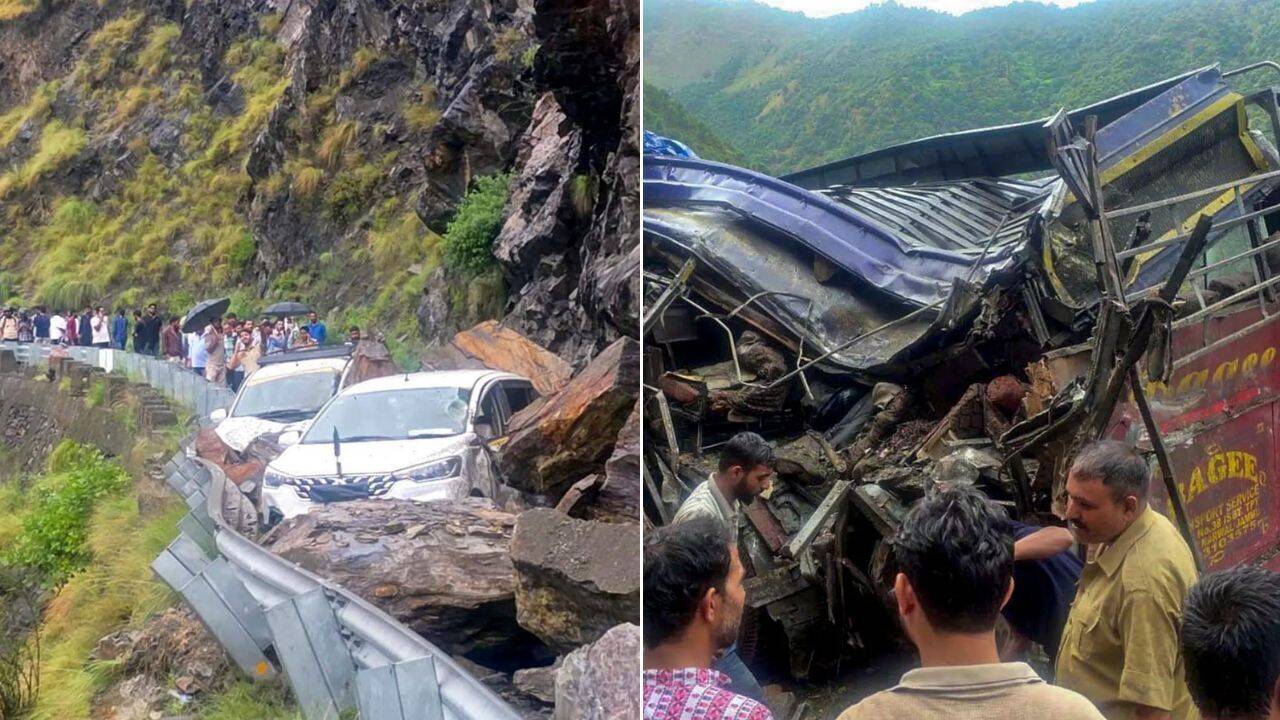
Torrential rains in Jammu have resulted in 28 deaths due to flash floods and landslides, with Poonch district suffering the most severe impact. Authorities have suspended major pilgrimages and issued a red alert as rescue operations continue.
Devastating Flash Floods Strike Jammu: A Comprehensive Analysis
The Jammu division is currently grappling with a catastrophic natural disaster as torrential rains have triggered widespread flash floods and landslides. The death toll has reached 28, with the district of Poonch emerging as the epicenter of the tragedy. The sudden surge of water and debris, particularly in the Pir Panjal region, has left a trail of destruction, destroying homes and claiming the lives of many, including children.
The Human Toll and Immediate Response
Of the 28 recorded fatalities, 23 occurred in Poonch, with 15 deaths concentrated in Surankote alone. The collapse of residential structures, including the tragic loss of life in 'dhoks'—traditional mountain shelters—highlights the vulnerability of local infrastructure to sudden geological shifts. Chief Minister Omar Abdullah has responded by announcing an ex gratia payment of Rs 6 lakh to the families of the victims, providing a measure of financial support during this period of profound grief and displacement.
Geological and Meteorological Factors
The India Meteorological Department (IMD) has maintained a red alert, signaling that the risk of extreme weather remains high. The geography of the Pir Panjal range, characterized by steep slopes and narrow valleys, exacerbates the impact of heavy rainfall. When torrential downpours occur, the soil becomes saturated quickly, leading to massive landslides that sweep away everything in their path. The current situation serves as a grim reminder of the region's susceptibility to climate-induced geological instability.
Suspension of Pilgrimages and Regional Impact
In light of the hazardous conditions, authorities have suspended the Amarnath Yatra and pilgrimages to the Vaishno Devi shrine for the second consecutive day. These pilgrimages are vital to the socio-economic fabric of Jammu and Kashmir, and their suspension underscores the severity of the threat posed to thousands of pilgrims traveling through potentially volatile mountain passes. Safety protocols are being prioritized to prevent further loss of life among the transient population.
Broader Implications and Future Trends
This event highlights an urgent need for enhanced disaster preparedness and resilient infrastructure in hilly terrains. As climate patterns become increasingly erratic, the frequency of such flash floods is likely to test the limits of current emergency response systems. Moving forward, authorities will need to focus on early warning systems specifically tailored for remote mountain communities and the reinforcement of vulnerable housing structures to mitigate future risks.
Conclusion
As rescue operations continue, the focus remains on clearing rubble and providing aid to the affected populations. The combined efforts of local authorities and rescue teams are critical in the coming days. The tragedy in Jammu serves as a somber call to action for improved disaster management strategies in one of India's most ecologically sensitive and weather-vulnerable regions.
Multiple Citing Sources