The ethanol mirage: Why E100 won’t Solve India’s oil import problems
Source Entity
The Indian Express
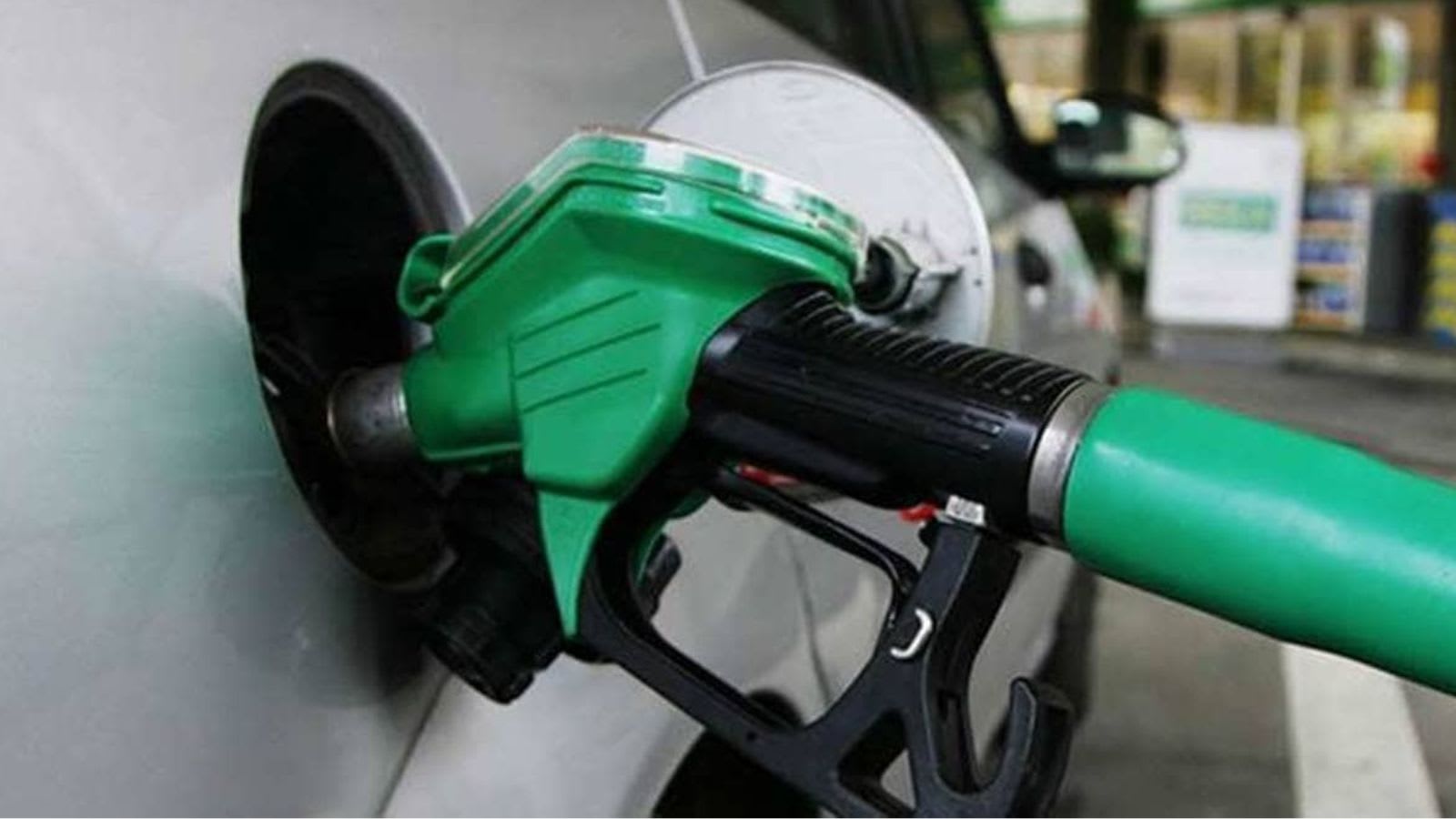
India is aggressively pursuing E100 ethanol-blended fuel to reduce oil import dependency. While the transition from E20 to E100 marks a significant policy shift, experts question its long-term viability and practical implementation challenges.
The Shift Toward Biofuels: India's E100 Ambition
India’s Ministry of Road Transport and Highways is aggressively pushing forward with a transformative energy policy, aiming to transition from traditional fossil fuels to high-level ethanol blends. By amending the Central Motor Vehicles Rules, 1989, the government has created the regulatory framework for vehicles capable of running on E100—pure ethanol. This move represents a significant escalation from the current E20 standard, signaling an intent to fundamentally alter the fuel landscape for the nation's massive automotive sector.
The Strategic Rationale for Ethanol
The primary driver behind this policy is the urgent need to mitigate India’s heavy reliance on imported crude oil. By promoting domestic ethanol production—largely derived from sugarcane and other agricultural feedstocks—the government seeks to bolster energy security while simultaneously supporting the agricultural economy. The E20 milestone, which mandates a 20 percent ethanol blend, served as the initial phase of this broader strategy to integrate biofuels into the mainstream energy mix.
Regulatory Changes and Technological Hurdles
The recent amendments to the Central Motor Vehicles Rules are not merely administrative; they are a prerequisite for manufacturers to begin designing engines specifically calibrated for high-ethanol consumption. However, transitioning from E20 to E100 is not a simple linear progression. High-ethanol fuels possess different combustion properties, energy densities, and corrosive characteristics compared to gasoline, requiring significant advancements in engine materials and fuel injection systems to ensure vehicle longevity and safety.
Economic and Environmental Implications
While the government positions E100 as a solution to oil import costs, the economic trade-offs are complex. The production of ethanol necessitates vast quantities of water and arable land, raising questions about the sustainability of diverting agricultural resources for fuel. Furthermore, the infrastructure required for the widespread storage, distribution, and dispensing of pure ethanol is vastly different from that of standard petrol, necessitating massive capital expenditure across the supply chain.
Challenges in Scalability
The 'proof of the pudding,' as noted by analysts, will lie in the real-world performance and adoption rates of E100 vehicles. Beyond the technical engineering challenges, there is the issue of fuel efficiency. Ethanol generally provides lower energy density than petrol, which could lead to higher fuel consumption rates for the end-user. As India navigates this transition, the government must balance its ambitious environmental and energy goals with the practical realities of consumer costs, agricultural impact, and the sheer scale of the required infrastructure overhaul.