PNB Rs 35 Crore Fraud: Take These 5 Steps If Money Disappears From Your Bank Account
Source Entity
NDTV News Search Records Found 1000
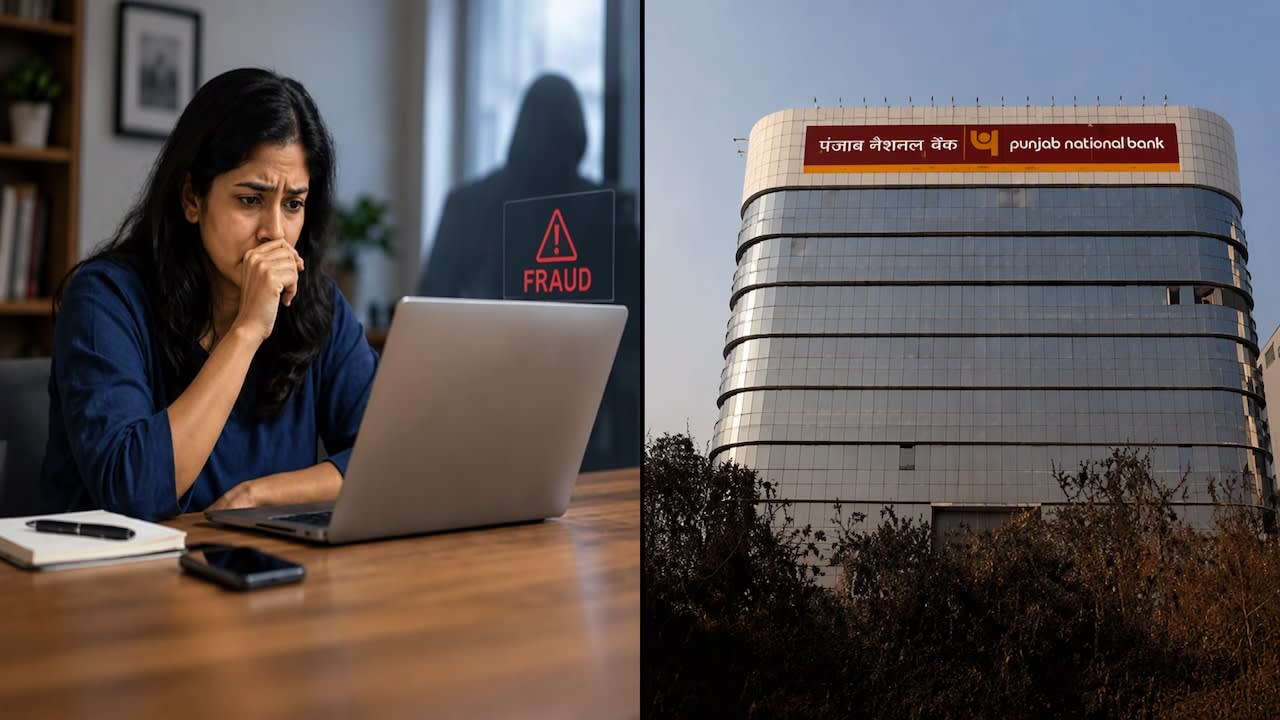
Punjab National Bank (PNB) is investigating a Rs 35 crore fraud in Greater Noida involving unauthorized customer transactions. Several branch employees, including the manager, have been suspended as authorities advise victims on immediate reporting steps.
The PNB Greater Noida Fraud Crisis: An Overview
A significant financial scandal has emerged at a Punjab National Bank (PNB) branch in Greater Noida, where customers reported the mysterious disappearance of funds totaling Rs 35 crore. The core of the grievance lies in the claims of affected depositors who assert they never received any transaction messages nor signed any documents authorizing such transfers. This breach of trust highlights a severe internal systemic failure, as the institution failed to maintain the most basic safeguards expected in modern retail banking.
Accountability and Institutional Response
In response to the mounting reports of unauthorized deductions, the bank has initiated disciplinary action, resulting in the suspension of several employees, including the branch manager. This move signifies an acknowledgment of internal negligence or potential complicity in the fraudulent activity. By removing the personnel directly responsible for branch operations, the bank is attempting to mitigate further risk while investigators probe the extent of the manipulation and whether the fraud was perpetrated by bank insiders or external actors gaining illicit access to internal systems.
The Mechanics of the Breach
The victims' testimonies—specifically that they received no alerts and executed no paperwork—point to a sophisticated bypass of standard authentication protocols. In traditional banking, large-volume transactions typically trigger multi-factor authentication or manual verification processes. The absence of these triggers suggests that the security architecture of the branch may have been compromised from within, allowing transactions to be processed without the account holders' knowledge or consent.
Protective Measures for Consumers
Amidst this crisis, financial experts and bank officials have issued guidance for customers to safeguard their assets. The primary recommendation is to immediately alert the bank upon noticing any transaction that one does not recognize. Rapid reporting is essential, as it halts the flow of funds and allows the bank to place a freeze on the affected accounts, thereby preventing further illicit withdrawals and preserving the audit trail required for potential legal recovery.
Broader Implications for Banking Trust
This incident serves as a stark reminder of the vulnerability of retail banking systems to insider threats. While digitalization has streamlined services, it has also created new avenues for fraud when internal oversight is lax. The Greater Noida case will likely prompt the Reserve Bank of India (RBI) and other regulatory bodies to conduct a deeper audit of PNB’s operational security protocols to ensure that such a massive breach does not recur in other regions.
Future Trends and Regulatory Oversight
Looking forward, this event is expected to accelerate the adoption of stricter 'Zero Trust' security models within Indian banking institutions. Future trends will likely include mandatory real-time biometric verification for high-value transactions and automated, non-bypassable notification systems that cannot be suppressed by bank staff. As trust is the currency of the financial sector, PNB must now focus on transparent communication and the swift restitution of funds to prevent a long-term erosion of its reputation in the region.
Verification Required?