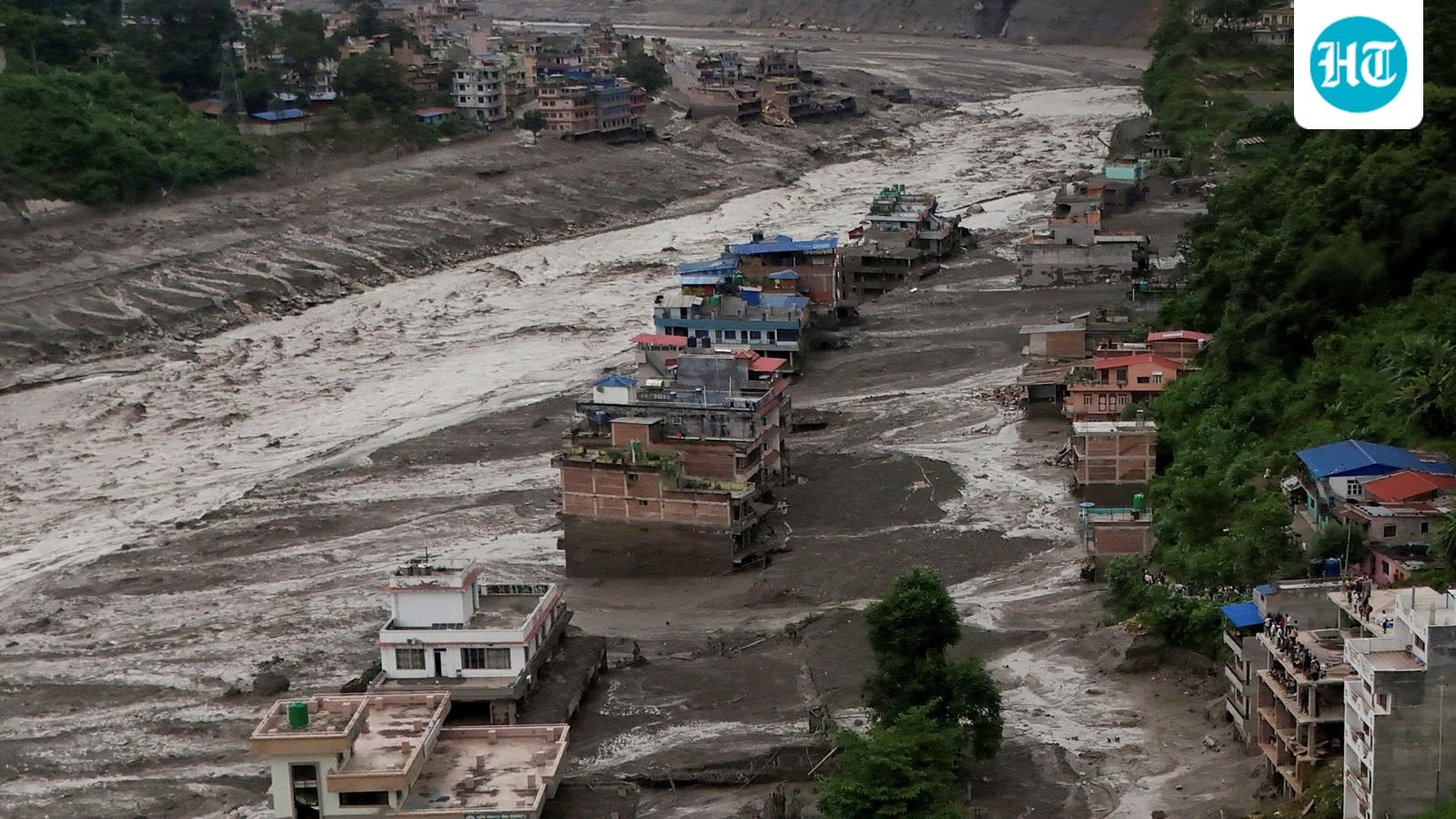
160 bodies found, 133 Indians missing as ice-mud wall collapses in Nepal
Source Entity
Latest News: Todays Latest News Headlines from India & World | Hindustan Times | Hindustan Times
Northern India faces a dual crisis involving flood alerts in Uttar Pradesh and Bihar due to Nepal's flash floods, alongside communal tension in Raebareli following the desecration of an Ambedkar statue. Authorities are actively monitoring river levels and conducting investigations to maintain public order.
Crisis Management in Northern India: Floods and Social Unrest
Cross-Border Hydrological Risks
Northern India is currently grappling with a severe environmental challenge as flash floods in Nepal have triggered high-alert warnings across the border districts of Uttar Pradesh and Bihar. The situation stems from heavy rainfall and the necessary opening of barrage gates in Nepal, which threatens to significantly increase water flow into the Ghaghara, Rapti, and Kosi rivers. This hydrological event is particularly concerning given the connectivity of these river systems, where the Trishuli river—fed by the Bhote Koshi—flows into the Gandak, creating a cascading effect for downstream regions.
The Human Impact of the Floods
The scale of the disaster in Nepal is significant, with reports of dozens of fatalities and nearly 400 tourists, including 105 Indian nationals, currently missing. The flash floods, occurring approximately 200 kilometers north of the Indian border, have necessitated a coordinated response from authorities in Uttar Pradesh, Bihar, and Uttarakhand. The primary concern remains the potential for sudden rises in water levels within the Gandak and Narayani river basins, which puts vulnerable populations in low-lying areas at extreme risk.
Social Instability in Raebareli
Simultaneously, the state of Uttar Pradesh is managing a sensitive law-and-order situation in the Raebareli district. On August 25, 2026, the residents of Baburiha village discovered that the statue of Dr. B.R. Ambedkar had been desecrated with mud and soot. This act of vandalism has sparked significant local outrage, as residents view the statue not merely as a monument, but as a symbol of social justice and historical significance. The incident highlights the ongoing fragility of communal harmony in rural regions.
Official Response and Security Measures
In response to the vandalism, the local administration acted swiftly to prevent further escalation. The Additional Superintendent of Police (ASP) and the Circle Officer (CO) of Unchahar arrived on the scene to engage directly with the villagers. By assuring the community of a transparent investigation and strict legal action against the perpetrators, the police have managed to bring the immediate situation under control. A heavy police presence remains deployed in Baburiha as a precautionary measure to maintain peace.
Broader Implications and Future Outlook
The convergence of these two events—one a natural disaster and the other a localized social conflict—places a heavy burden on the administrative machinery of Uttar Pradesh. The flood situation requires long-term transboundary cooperation between India and Nepal regarding water management, while the incident in Raebareli underscores the necessity for vigilance in protecting public monuments and maintaining social cohesion. As the monsoon season continues to pose threats to river safety, the government must balance disaster mitigation with the maintenance of internal security to ensure the safety and stability of its citizens.
Multiple Citing Sources
Verification Required?