Death of Jammu teen raped by headmaster: Notice after police fail to invoke SC/ST Act
Source Entity
Arun Sharma
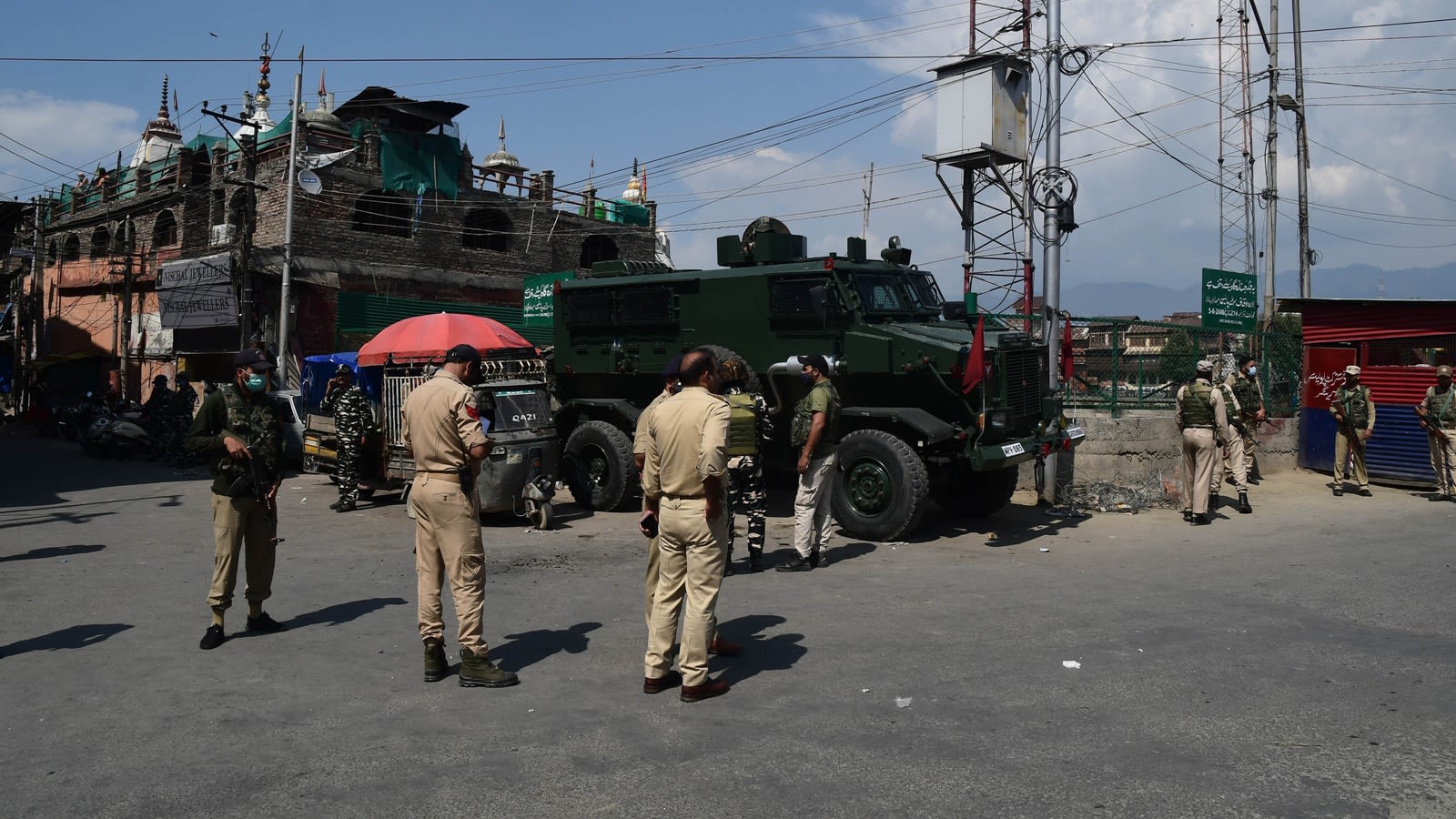
The National Commission for Scheduled Tribes has demanded a report from J&K officials following the death of a tribal teen after a failed abortion. The headmaster and his brother remain in police custody as investigations proceed regarding the application of the SC/ST Act.
Tragedy in Kishtwar: NCST Intervenes in Tribal Teen’s Death
The recent death of a tribal teenager in the Kishtwar district of Jammu and Kashmir has sparked a significant legal and administrative inquiry. The incident, involving the alleged sexual assault of a minor by her headmaster, has escalated into a case of national concern after the victim died following a failed abortion attempt. The arrest of the headmaster and his brother, who reportedly accompanied the victim to the procedure, serves as the primary catalyst for the current legal proceedings.
The Role of the National Commission for Scheduled Tribes
In response to the gravity of the situation, the National Commission for Scheduled Tribes (NCST) has intervened, invoking its constitutional authority under Article 338A. By issuing a formal notice to the J&K Chief Secretary, the Director General of Police, and the SSP of Kishtwar, the Commission is exercising its mandate to protect the rights of tribal communities. This intervention highlights the systemic oversight required when vulnerable populations, particularly tribal minors, are subjected to egregious crimes.
Legal Scrutiny and the SC/ST Act
A central point of contention in this case is the alleged failure of local law enforcement to properly invoke the Scheduled Castes and the Scheduled Tribes (Prevention of Atrocities) Act. The notice issued by the NCST suggests that there is significant concern regarding the procedural handling of the case. By demanding a comprehensive report within five days, the Commission is pressuring the administration to ensure that the investigation aligns with the stringent protections afforded under the SC/ST Act, which is designed to provide heightened legal recourse for victims from marginalized communities.
Broader Implications for Tribal Welfare
The complaint filed by Kabir Ahmed, a member trustee of the Tribal Gujjar Bakerwal Welfare Foundation, underscores the crucial role of civil society in monitoring the safety of tribal populations. The incident serves as a grim reminder of the power dynamics that can be exploited in educational settings, particularly in remote areas. The involvement of the headmaster—a figure of authority—adds a layer of institutional betrayal that complicates the trauma faced by the victim's family and community.
Future Trends in Accountability
The upcoming report from the Jammu and Kashmir administration will be a litmus test for the region's commitment to justice for marginalized groups. If the administration fails to adequately address the concerns regarding the invocation of the SC/ST Act, it may lead to further judicial intervention or increased pressure from national advocacy groups. Moving forward, the case highlights the necessity for stricter oversight in rural educational institutions and better integration of protective legal frameworks to prevent the exploitation of tribal students.
Conclusion
As the investigation continues, the focus remains on ensuring that justice is served for the deceased teenager. The swift intervention of the NCST is a vital step in maintaining transparency and accountability. The outcome of this case will likely influence how similar complaints are handled in the future, emphasizing the need for rigorous adherence to constitutional protections for India’s tribal citizens.