BBC visits hospital in Kathmandu as families wait for news
Source Entity
BBC News
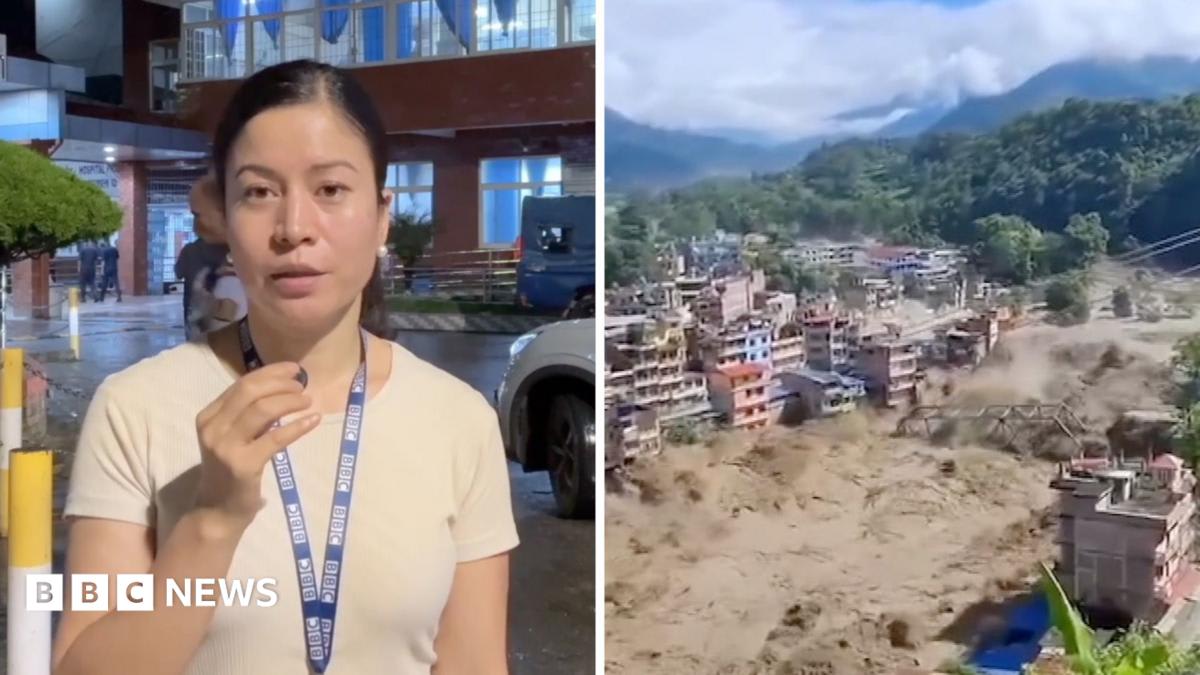
Authorities in northern India are on high alert following devastating floods in Nepal that threaten river systems in UP and Bihar. Meanwhile, tensions have flared in Rae Bareli after the vandalization of a Dr. B.R. Ambedkar statue, prompting a swift police response.
Regional Security and Public Order Updates: Floods and Social Unrest
Cross-Border Environmental Crisis
The recent flash floods in Nepal, occurring approximately 200 km north of the Indian border, have created a significant humanitarian and environmental challenge for Northern India. With dozens of fatalities reported and nearly 400 tourists—including 105 Indian nationals—currently missing, the situation remains fluid and dangerous. The destruction caused by the surge through mountain valleys has necessitated a high-alert status for authorities in Uttar Pradesh, Bihar, and Uttarakhand.
Hydrological Implications for River Systems
The primary concern for Indian border districts lies in the potential for rapid water level increases in major river systems. The discharge from Nepal, exacerbated by the opening of barrage gates and heavy rainfall, is expected to surge into the Ghaghara, Rapti, and Kosi rivers. Furthermore, the Trishuli river, which integrates flow from the Bhote Koshi originating in Tibet, directly impacts the Gandak and Narayani river systems. These hydrological interdependencies underscore the vulnerability of North Indian plains to transboundary water management issues.
Social Tension in Rae Bareli
Parallel to the natural disaster, an incident of social unrest has emerged in the Baburiha village of Rae Bareli district. On August 25, 2026, the discovery of mud and soot smeared on a statue of Dr. B.R. Ambedkar triggered widespread local anger. This act of vandalism has been interpreted as a deliberate provocation, leading to significant community tension and calls for immediate justice from local residents who view the statue as a symbol of dignity and social reform.
Law Enforcement and Community Stability
In response to the vandalism in Baburiha, local law enforcement acted with urgency to prevent the escalation of the conflict. The Additional Superintendent of Police (ASP) and the Circle Officer (CO) of Unchahar arrived on-site to engage with villagers and provide assurances of a comprehensive investigation. Police deployment has been established as a precautionary measure to maintain order, with officials promising strict legal action against the unidentified perpetrators who exploited the darkness to commit the act.
Broader Implications and Future Trends
The confluence of these events highlights the multifaceted challenges facing administrative bodies in India. While environmental threats require proactive disaster management and transboundary coordination, the maintenance of social harmony requires vigilant policing and community engagement. Looking ahead, climate-induced migration and increased flooding frequency may necessitate more robust communication channels between Nepal and India, while the protection of cultural and political monuments will remain a priority for maintaining domestic peace.
Multiple Citing Sources