Over 100 Indians among hundreds missing in Nepal flash flood fury
Source Entity
Yubaraj Ghimire
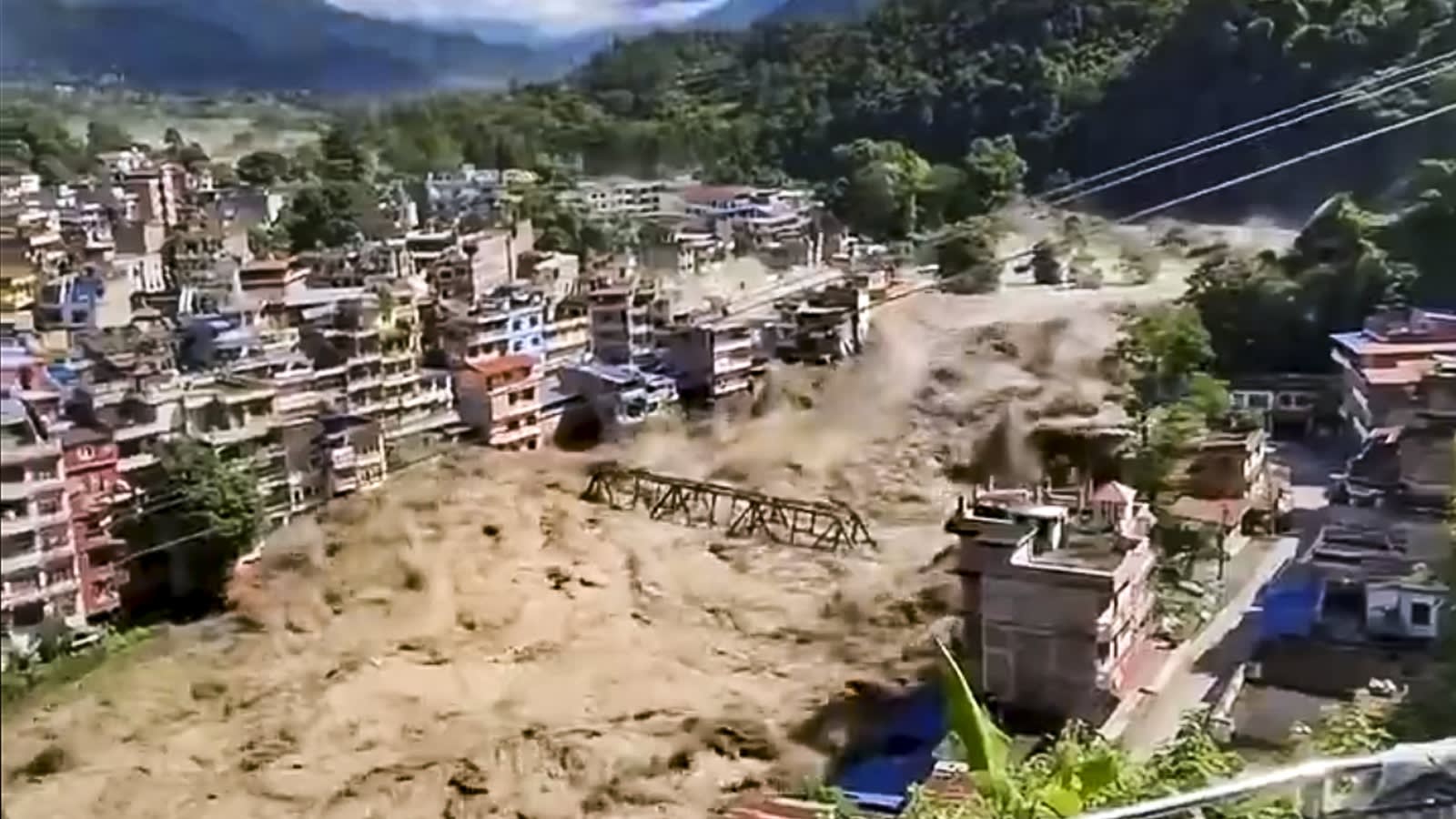
Northern India faces dual challenges with flash flood alerts from Nepal and communal tension in Raebareli following the desecration of an Ambedkar statue. Authorities are managing both the hydrological risks in border states and maintaining law and order in Uttar Pradesh.
Regional Instability: Environmental and Social Challenges in Uttar Pradesh
Recent reports from Northern India highlight a dual crisis: an environmental threat stemming from flash floods in Nepal and a localized social disturbance in the Raebareli district of Uttar Pradesh. These events, while disparate in nature, underscore the complexities of managing public safety and social harmony in a region prone to both natural disasters and communal sensitivities.
The Hydrological Crisis: Transboundary Flood Risks
The flash floods originating approximately 200 km north of the Indian border in Nepal have triggered an urgent alert across Uttar Pradesh, Bihar, and Uttarakhand. The surge, exacerbated by heavy rainfall and the opening of barrage gates, directly threatens the water levels of the Ghaghara, Rapti, Gandak, and Kosi rivers. The interconnected nature of these river systems, particularly the Trishuli river’s contribution to the Gandak, demonstrates the vulnerability of Indian border districts to transboundary water management issues. With nearly 400 tourists, including 105 Indian nationals, reported missing in the Nepal valleys, the situation remains a critical humanitarian concern.
The Impact on Border Districts
For the residents of Uttar Pradesh and Bihar, the rising water levels pose a significant threat to infrastructure, agriculture, and human safety. The potential for the Gandak and Narayani rivers to overflow necessitates a proactive disaster management strategy. Historically, this region has struggled with seasonal flooding, and the current volatility in Nepal intensifies the risk of displacement and economic loss for those living in the floodplains of the affected river basins.
Social Unrest: The Raebareli Incident
Simultaneously, in Baburiha village, Raebareli, the social fabric has been tested by the desecration of a statue of Dr. B.R. Ambedkar. The act of smearing mud and soot on the statue on August 25, 2026, has sparked widespread anger among local residents and followers of Dr. Ambedkar. Such incidents are highly sensitive in India, as they often touch upon issues of caste identity and social dignity, frequently leading to localized protests and political friction.
Law Enforcement Response and Community Stability
The local administration in Raebareli has moved quickly to contain the fallout. The presence of the Additional Superintendent of Police and the Circle Officer at the scene indicates a recognition of the potential for escalation. By engaging directly with the aggrieved villagers and promising a swift, transparent investigation, the police aim to de-escalate tensions. The deployment of security forces as a precautionary measure serves as a stabilizing force to prevent further vandalism or retaliatory violence.
Future Trends and Concluding Summary
Looking ahead, both situations require sustained administrative vigilance. For the flood-prone districts, the future depends on improved cross-border coordination with Nepal regarding barrage management and early warning systems. Regarding the social tension in Raebareli, the long-term resolution rests on the police’s ability to identify the perpetrators and bring them to justice, thereby restoring public trust. These events serve as a reminder that the stability of Uttar Pradesh is contingent on both environmental resilience and the protection of social cohesion.
Multiple Citing Sources