Day after Kutch raid: Chemical precursors for duplicate liquor came from outside Gujarat, say police
Source Entity
The Indian Express
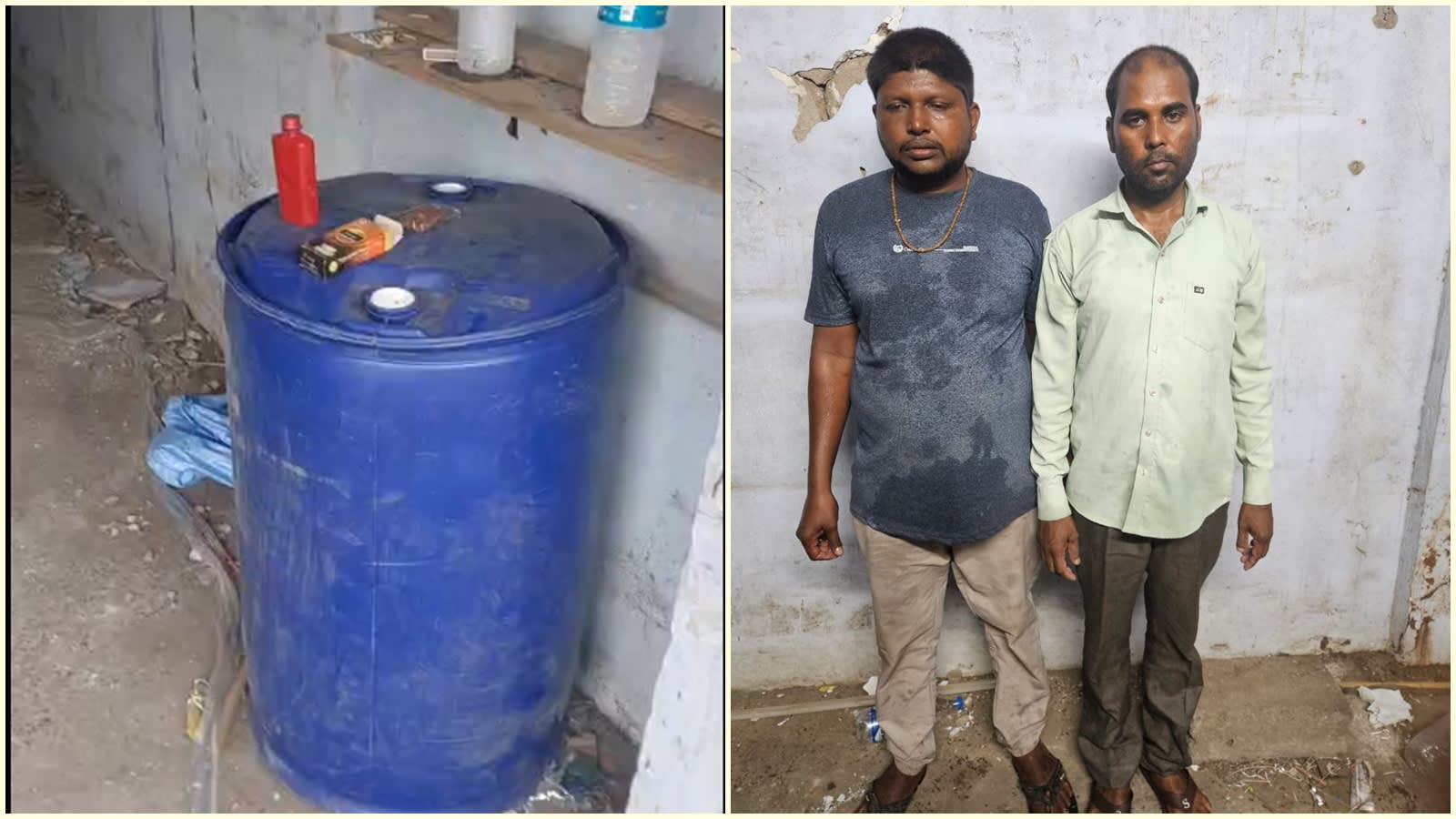
Police in Kutch have uncovered a major duplicate liquor racket following a raid in Adipur, revealing that chemical precursors were sourced from outside Gujarat. This operation follows a recent methanol-laced liquor tragedy in Bhavnagar, highlighting ongoing concerns regarding illicit alcohol distribution in the state.
Investigation into the Kutch Duplicate Liquor Racket
Following a targeted operation by a police team reporting directly to the Border Range Inspector General (IG) Chirag Koradia, authorities in Kutch have dismantled a significant 'duplicate' liquor manufacturing unit. The raid, conducted in the Adipur area of Gandhidham city, resulted in the seizure of 10,000 red flasks, each with a capacity of 180 ml, designed to mimic the packaging of a well-known Indian Made Foreign Liquor (IMFL) brand. Furthermore, police recovered over 600 litres of unidentified chemicals alongside specialized apparatus used for the production of these illicit spirits.
Origins and Supply Chain Dynamics
Initial investigations have led the police to conclude that the chemical precursors necessary for the production of this counterfeit liquor were sourced from outside the state of Gujarat. This finding is particularly significant given Gujarat’s long-standing prohibition policy, which strictly regulates the sale and consumption of alcohol. The ability of illicit operators to bypass internal border controls to import raw materials suggests a sophisticated, albeit criminal, supply chain that operates across state lines to circumvent local enforcement efforts.
Contextualizing the Threat: The Bhavnagar Connection
This discovery comes on the heels of a separate, tragic incident in the Bhavnagar district, where methanol-laced liquor was sold in 750 ml bottles, also branded as a famous IMFL label. The presence of methanol—a toxic substance often used in industrial applications—poses a severe public health risk, frequently leading to fatalities or permanent disability among consumers. By comparing the Adipur raid with the Bhavnagar tragedy, authorities are beginning to map out the scale of counterfeit liquor operations currently targeting the region.
Law Enforcement Response and Arrests
Following the discovery in Adipur, a formal First Information Report (FIR) was registered based on a complaint filed by a state police representative. The operation culminated in the immediate arrest of two individuals involved in the racket. By utilizing a specialized team under the direct supervision of the Border Range IG, the police have demonstrated a heightened focus on dismantling the production side of the illegal liquor trade rather than merely focusing on retail-level seizures.
Broader Public Safety Implications
The proliferation of counterfeit, chemically adulterated alcohol represents a systemic failure that threatens public safety. When criminal syndicates replicate legitimate brands, they not only commit trademark infringement but also expose the public to dangerous chemical cocktails. The reliance on external supply chains for precursors highlights the necessity for increased inter-state intelligence sharing and more rigorous monitoring of industrial chemical distribution channels, which are often diverted for illegal alcohol production.
Future Trends and Regulatory Outlook
Moving forward, the investigation will likely shift toward tracking the source of the chemical precursors and identifying the broader network responsible for the distribution of these goods. The effectiveness of the Border Range police in this instance serves as a benchmark for future operations. To combat these trends, authorities will likely need to intensify surveillance on industrial chemical transport and enhance collaboration with neighboring states to prevent the flow of illicit raw materials into Gujarat, thereby mitigating the risk of future mass-poisoning events.