Centre asks GitHub to block Bitchat, messaging app that works without internet, amid students protest
Source Entity
Soumyarendra Barik
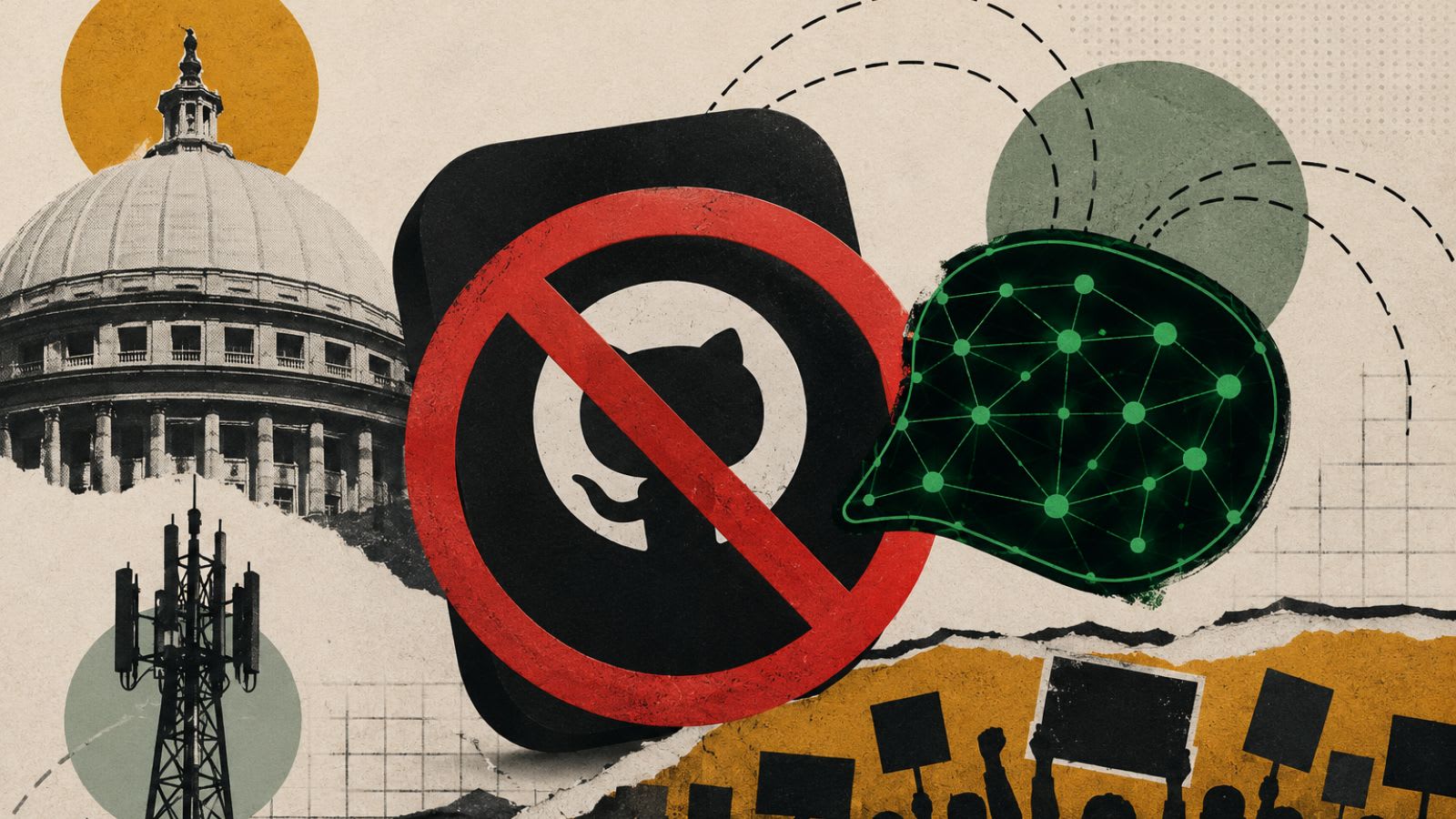
The Indian government has ordered GitHub to remove the offline messaging app Bitchat, citing national security risks and its potential use during protests. Digital rights groups have condemned the move as unconstitutional, sparking a debate over surveillance and free speech.
Government Crackdown on Bitchat: A Collision of Security and Privacy
The Indian government, through the Indian Cyber Crime Coordination Centre (I4C), has issued a directive to Microsoft-owned GitHub to remove repositories associated with Bitchat. Developed by former Twitter CEO Jack Dorsey, Bitchat is a decentralized, Bluetooth-based messaging application that operates without internet connectivity, mandatory user registration, or centralized message logging. The government’s move, initiated on July 23, aims to curb the app’s availability, citing its potential to facilitate activities by terrorists and criminal organizations that seek to evade lawful surveillance.
The Context of Protests and Internet Shutdowns
This regulatory action follows a period of heightened civil unrest, specifically during the Cockroach Janta Party (CJP) protests at Jantar Mantar in New Delhi. During these demonstrations, authorities observed participants utilizing Bluetooth-based messaging tools to communicate, particularly when the government enforced temporary mobile data suspensions in central Delhi. By operating independently of traditional telecom infrastructure, Bitchat effectively bypasses the government’s ability to impose internet shutdowns as a tool for managing public order.
Security Concerns vs. Legal Authority
From the government’s perspective, the application poses a significant security risk. The absence of phone number verification and centralized logging creates a 'black box' for law enforcement, who argue that such anonymity is a catalyst for anti-national activities. The notice issued to GitHub explicitly cites potential violations of the Information Technology Act, framing the takedown as a necessary measure to maintain national security and prevent the coordination of illegal acts during public agitations.
The Stance of Digital Rights Groups
Conversely, the Internet Freedom Foundation (IFF) has launched a strong critique of the government's order. The organization has labeled the directive 'unconstitutional,' arguing that it exceeds the government's legal authority. By compelling GitHub to disable access to decentralized, open-source software, critics argue the state is overreaching and setting a dangerous precedent for digital censorship. The IFF emphasizes that the ability to communicate offline is a fundamental aspect of free speech, particularly in environments where traditional communication channels are restricted.
Broader Implications for Open-Source Software
The conflict highlights a growing tension between state surveillance capabilities and the rise of censorship-resistant technologies. Because Bitchat is open-source and decentralized, it exists outside the control of traditional corporate or state-monitored platforms. The government's attempt to target the hosting platform, GitHub, reflects the difficulty regulators face in controlling distributed technologies. As these tools become more prevalent, governments worldwide will likely continue to struggle with balancing public safety mandates against the preservation of decentralized communication infrastructure.
Future Trends and Concluding Thoughts
The standoff between the Indian government and proponents of decentralized tech suggests a future defined by 'cat-and-mouse' cycles of regulation and innovation. While the government maintains that oversight is essential to prevent misuse by criminal elements, the pushback from civil society underscores a deep-seated anxiety regarding the erosion of digital rights. Whether this leads to more stringent legislative frameworks or a shift toward even more resilient, peer-to-peer communication methods remains to be seen, but the debate over Bitchat serves as a critical case study in the modern struggle for digital autonomy.
Multiple Citing Sources