'No sensitive data leaked': Govt refutes reports of Kudankulam nuclear plant breach
Source Entity
TOI NEWS DESK
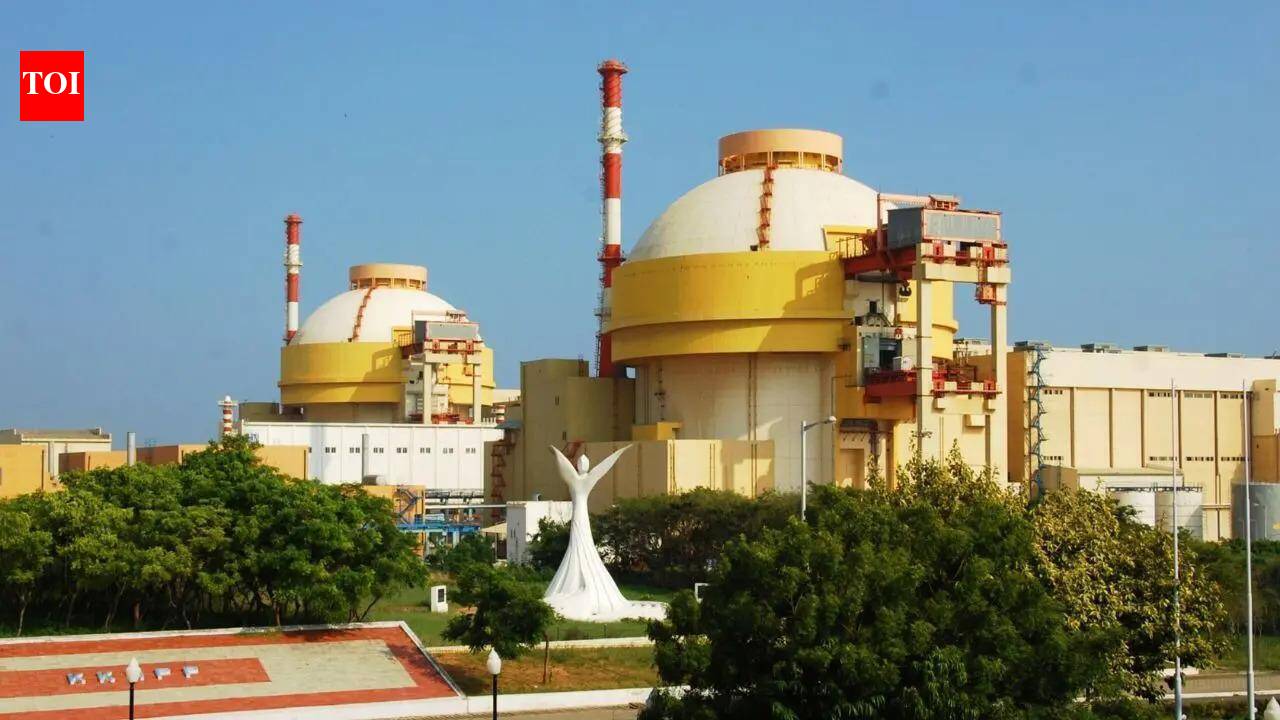
The Indian government, through Union Minister Jitendra Singh and the Nuclear Power Corporation of India Limited (NPCIL), has refuted claims of a sensitive data breach at the Kudankulam Nuclear Power Plant. While a ransomware group claimed to have accessed thousands of files, the government clarified that the leaked data only pertained to the plant's conventional Balance of Plant (BoP) package and did not include any nuclear safety or security information.
Analysis of the Kudankulam Nuclear Power Plant Data Breach Allegations
Introduction: Cybersecurity in Critical Infrastructure
The intersection of critical energy infrastructure and cybersecurity has become a primary concern for national security globally. The recent reports regarding a potential data breach at the Kudankulam Nuclear Power Plant (KNPP) highlight the persistent vulnerabilities that high-value targets face in the digital age. When a ransomware group claims to have accessed thousands of project-related files from a nuclear facility, it triggers immediate alarms regarding public safety, environmental security, and national intelligence. The subsequent denial by the Indian government serves as a critical exercise in damage control and public reassurance.
The Nature of the Breach: BoP vs. Nuclear Island
To understand the government's refutation, it is essential to analyze the distinction between the "Balance of Plant" (BoP) and the core nuclear safety systems. The Nuclear Power Corporation of India Limited (NPCIL) specified that the leaked documents relate solely to the conventional BoP package. In nuclear engineering, the BoP consists of the auxiliary systems—such as water treatment, cooling towers, and electrical switchyards—that support the main reactor but are not part of the nuclear steam supply system (the "Nuclear Island"). By isolating the leak to the BoP, the government is arguing that while corporate or administrative project files may have been compromised, the actual blueprints for reactor safety, fuel management, and containment protocols remain secure.
Strategic Governmental Response
Union Minister Jitendra Singh's swift dismissal of the reports is a strategic move to prevent public panic and deter further opportunistic attacks. In the context of nuclear energy, perception is as important as reality; any hint of a security lapse can lead to widespread anxiety and political pressure. By explicitly stating that no nuclear safety or security data was compromised, the government is attempting to draw a hard line between a "cyber-administrative incident" and a "nuclear security threat." This distinction is vital for maintaining the operational legitimacy of the plant and the trust of the local population in Tamil Nadu, where the plant has historically faced social opposition.
The Threat Landscape: Ransomware and State-Sponsored Actors
The claim by a ransomware group suggests a pattern of "double extortion," where attackers not only encrypt data but also threaten to leak it to force payment. However, the targeting of a nuclear facility often transcends simple financial gain. Such breaches can be precursors to more sophisticated reconnaissance efforts by state-sponsored actors looking for vulnerabilities in critical infrastructure. Even if the current leak is limited to non-sensitive BoP files, the ability of an external group to penetrate the network of a facility managed by NPCIL suggests a need for a rigorous audit of the digital perimeter and internal access controls.
Broader Implications for India's Nuclear Program
India is aggressively expanding its nuclear capacity to meet growing energy demands and climate goals. The Kudankulam plant, being one of the largest in the country, is a crown jewel of this strategy. This incident underscores the necessity of "air-gapping" critical control systems—ensuring that the networks managing the nuclear reactor are physically and logically separated from the corporate networks that handle project management and administrative files. If the ransomware group accessed BoP files through a corporate network, it validates the importance of strict network segmentation to prevent lateral movement into the safety-critical systems.
Future Trends and Conclusion
Moving forward, the Indian government and NPCIL will likely accelerate the adoption of Zero Trust Architecture (ZTA) across all nuclear installations. This approach assumes that no user or system, whether inside or outside the network, is trusted by default. We can expect an increase in the deployment of AI-driven threat detection systems to identify anomalous data transfers in real-time. In summary, while the government has successfully mitigated the immediate narrative of a safety crisis by categorizing the leak as non-sensitive, the incident serves as a stark reminder that the digital defense of nuclear assets must be as robust as their physical fortifications.