Did India hit Kirana Hills during Op Sindoor? Ex-CDS Anil Chauhan clears air
Source Entity
ROHITASHWA RANJAN
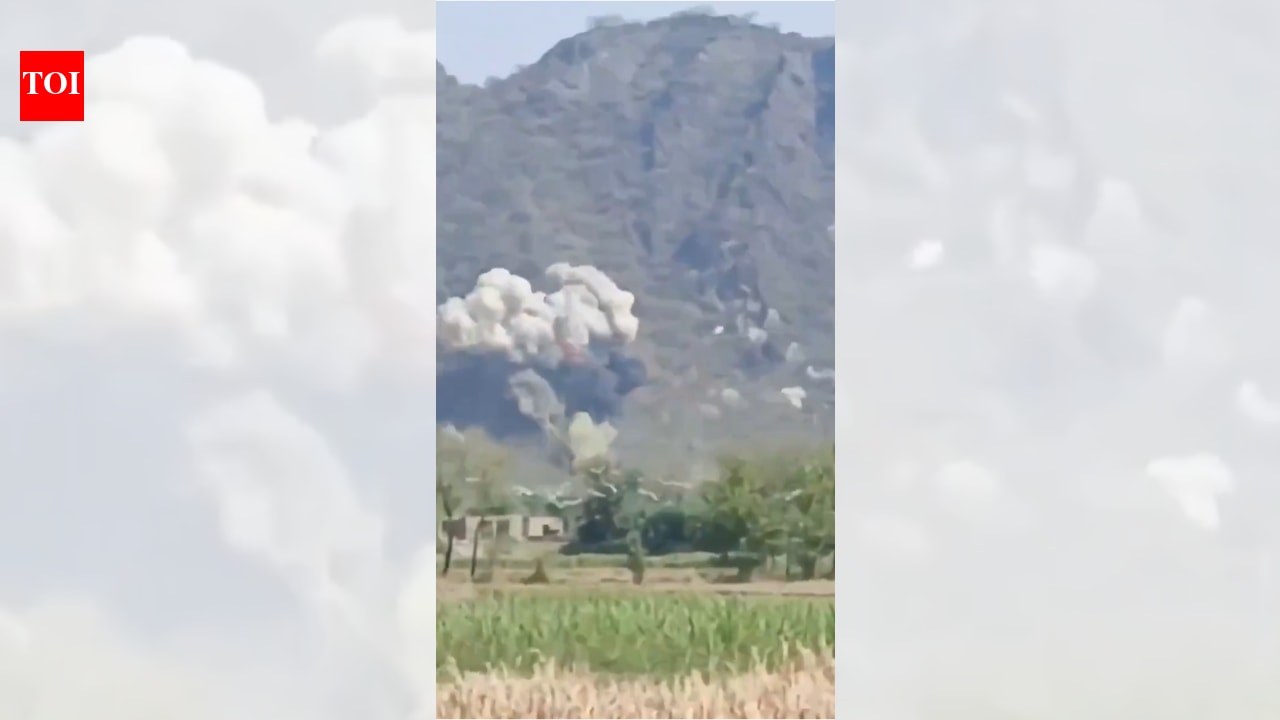
Former CDS Anil Chauhan clarified that India did not intentionally target Pakistan's Kirana Hills during Operation Sindoor. He explained that a loitering munition inadvertently struck the facility after failing to acquire its intended radar target near Sargodha.
Clarifying the Operation Sindoor Incident
Recent statements from former Chief of Defence Staff (CDS) General Anil Chauhan have shed light on a sensitive military incident involving India and Pakistan. The discourse surrounding 'Operation Sindoor' has been marked by speculation regarding whether India intentionally targeted Pakistan’s Kirana Hills nuclear facility. General Chauhan’s recent clarification serves to de-escalate tensions by explicitly stating that the strike was not a deliberate act of aggression against a nuclear-sensitive site, but rather a technical mishap occurring during a broader military engagement.
The Mechanics of the Inadvertent Strike
According to General Chauhan, the incident was a byproduct of a mission aimed at Sargodha, a region of significant strategic interest located approximately 10 kilometers south of the Kirana Hills. The Indian military utilized loitering munitions—autonomous weapons designed to hover over a target area for an extended period to identify and engage hostile radar systems. The operational failure occurred when one such munition, having exhausted its search parameters for radar signatures near Sargodha without finding a valid target, proceeded to drift and eventually impacted the Kirana Hills facility.
Strategic Implications of Loitering Munitions
This incident highlights the inherent risks associated with modern autonomous weapon systems. Loitering munitions are designed with a specific 'lifetime'—in this case, approximately two hours—during which they patrol a designated zone. When these systems fail to lock onto a target, their behavior can become unpredictable. The fact that the munition traveled 10 kilometers beyond the intended operational theater underscores the technological challenges in maintaining precise control over autonomous assets in contested airspace.
Geopolitical Context and Escalation Risks
The proximity of the Kirana Hills to Sargodha renders the area a high-stakes environment. Because Kirana Hills is associated with Pakistan's nuclear infrastructure, even an inadvertent hit carries the potential for massive geopolitical misunderstanding and unintended escalation. General Chauhan's transparency regarding the event acts as a critical diplomatic tool, clarifying that the strike was a technical malfunction rather than a strategic escalation of the conflict.
Lessons for Future Military Operations
As militaries worldwide increasingly integrate loitering munitions into their arsenals, this event serves as a case study in the necessity of robust fail-safes. The ability of a system to 'self-destruct' or return to a safe zone when a target is not identified is paramount to preventing collateral damage in sensitive border regions. The incident emphasizes that while technology enhances precision, it does not eliminate the risk of operational drift in complex, high-pressure theaters of operation.
Conclusion
In summary, the clarification by General Anil Chauhan effectively addresses the rumors surrounding Operation Sindoor. By identifying the strike as an accidental occurrence caused by a stray loitering munition, the Indian military has provided a factual account that distinguishes tactical error from strategic intent. This event underscores the importance of clear communication in military affairs, particularly when advanced autonomous technologies are deployed in proximity to sensitive nuclear or strategic assets.